




In India, from east to west and north to south, the holy month of Ramadhan is observed in its full spirit as people join hands in celebrating the 30 days’ fasting and other rituals with a whole lot of enthusiasm and solidarity.
People engage in besides the obligatory fasting, prayer, reflection and charity, they take this as a season for networking as better community life spills gently into bazaars, railway stations, campuses, kitchens and neighbourhood streets. With Muslims forming 17.22 crore people (14.2 per cent of India’s population, according to census 2011), Ramadhan is simultaneously intimate and nationwide, shaped by local languages, food cultures and regional histories.
From Kashmir to Kerala, the rhythm is recognisable. People begin the fast with sehri (pre dawn meal), spend the day in regular work and study; and break the fast at sunset with iftar. Mosques host Taraweeh prayers at night and families intensify holy Quran recitation and charitable giving. What is distinct in India is how often these private acts intersect with public life: neighbourhood iftar tables extend into lanes, vendors adjust work hours around prayer time and non Muslim colleagues frequently accommodate fasting friends with small everyday courtesies.
Delhi:
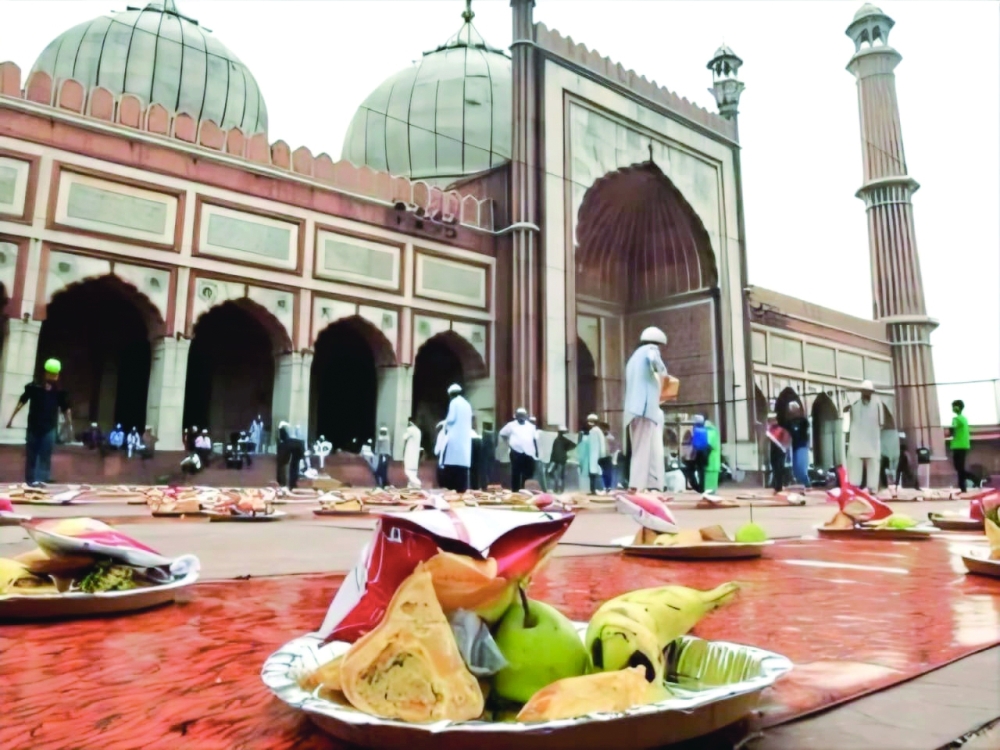
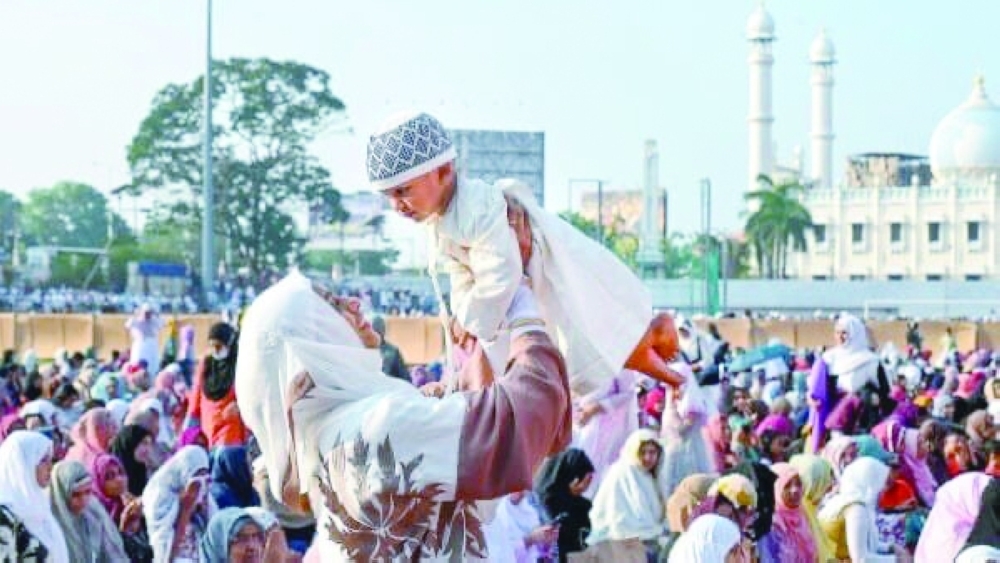
In Delhi, the iftar scene around Jama Masjid is both devotional and communal. People gather to break the fast near one of the country’s best known mosques and the surrounding area becomes a moving portrait of India’s plural city life: families, students, tourists and working professionals navigating the same streets and food stalls. Even official tourism literature frames “iftar at Jama Masjid” as a cultural experience tied to the city’s identity.
Mumbai:
Mumbai’s Ramadhan nights are famous for how the city reorganises itself after sunset. Areas around Mohammed Ali Road and nearby neighbourhoods turn into late night food corridors where the fast is broken amidst intense street energy. Coverage of the area highlights how Ramadhan draws people specifically for iftar food walks and legacy eateries, turning faith seasonality into an annual civic festival that many non Muslims also participate in.
Hyderabad:
If one city’s Ramadhan food has become a cultural emblem, it is Hyderabad’s haleem. The dish is closely associated with Ramadhan iftar in the city and is treated as a part of Hyderabad’s public identity.
Kerala and coastal south India:
In Kerala and parts of Tamil Nadu, Ramadhan carries a strong community care dimension through foods designed for gentle nourishment after fasting. Nombu kanji (Ramadhan kanji), a comforting rice and lentil porridge often made with coconut milk and spices, is widely described as a traditional Ramadhan preparation in the south.
Kolkata:
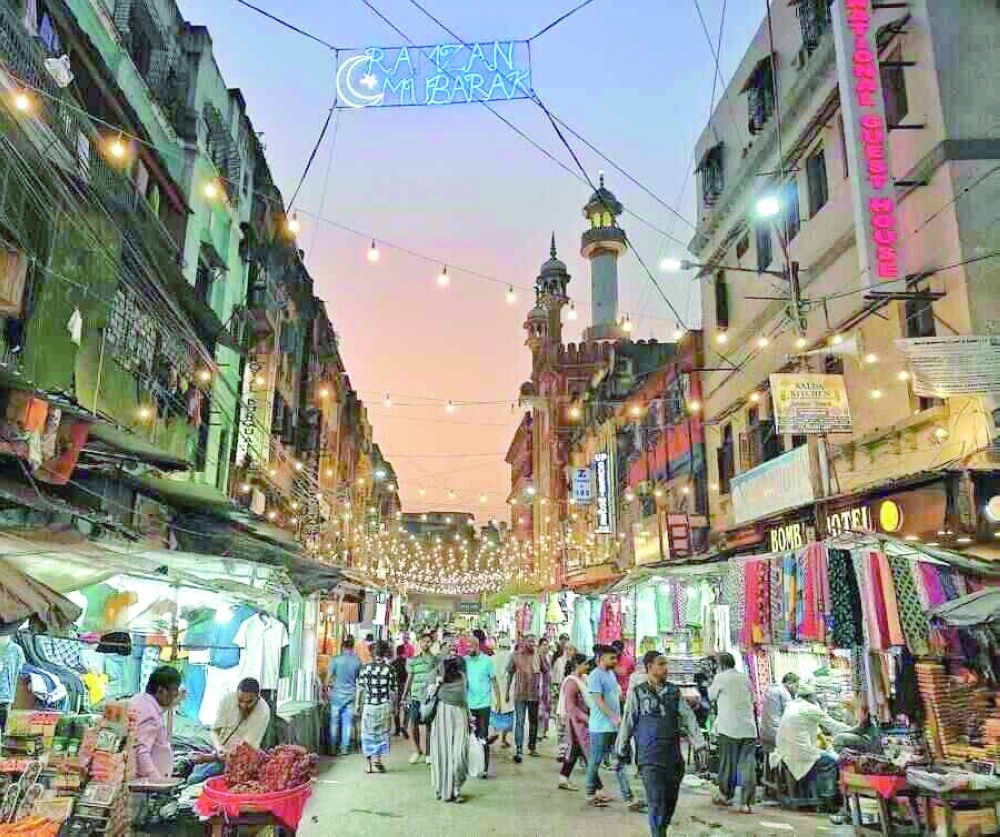
Kolkata’s Ramadhan evenings are also intensely public. Reporting on Zakaria Street points to seasonal iftar street food as something that has visibly grown into a citywide attraction, with many eateries appearing specifically during Ramadhan.
Iftar table becomes a bridge:
Some of the strongest examples of India’s inclusiveness during Ramadhan appear when neighbours make deliberate interfaith choices. One widely cited case in Delhi describes a gurdwara inviting local Muslims for iftar as an outreach gesture after a period of tension, with hundreds gathering inside the complex to share a meal and restore social normalcy.
Oman Observer is now on the WhatsApp channel. Click here