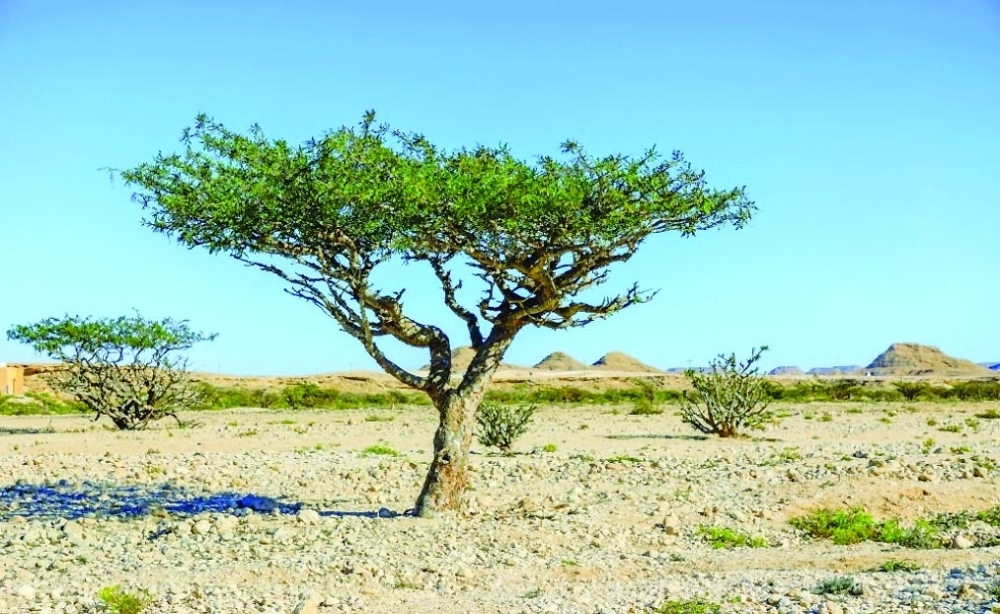





MUSCAT: Oman marked World Wildlife Day on March 3 by celebrating the frankincense tree, a plant deeply rooted in the country’s cultural heritage and biodiversity.
The Environment Authority (EA) highlighted the importance of the iconic tree, which has played a significant role in Oman’s history for thousands of years through its use in traditional medicine, perfumery and incense making.
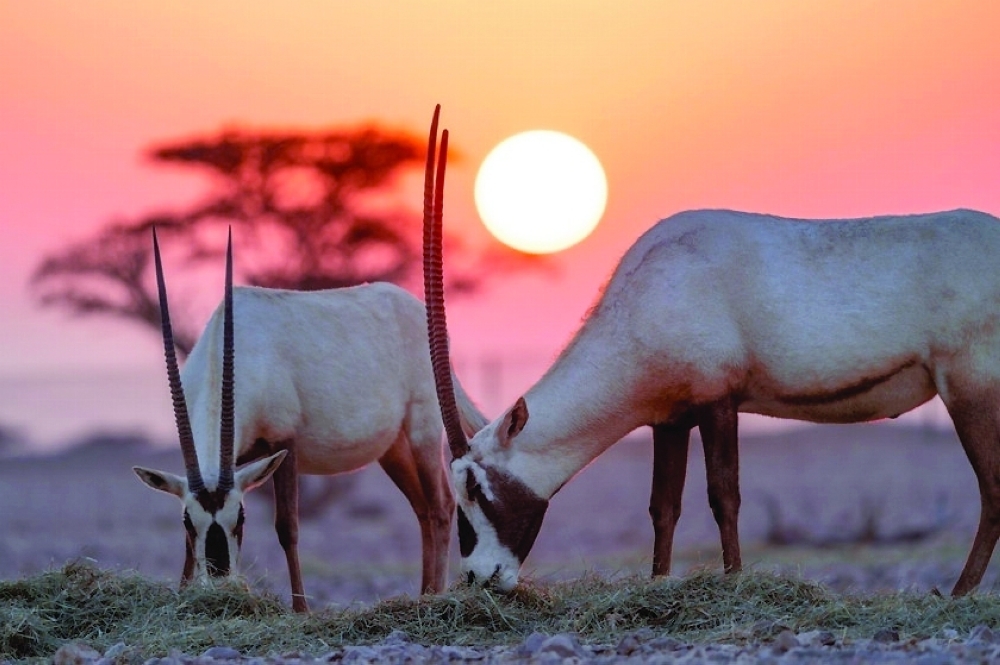
World Wildlife Day, observed annually on March 3, was established by the United Nations to celebrate the world’s diverse flora and fauna while raising awareness about the urgent need to combat wildlife crime and the human-driven decline of species that affect ecosystems, economies and societies.
This year’s theme, ‘Medicinal and Aromatic Plants: Conserving Health, Heritage, and Livelihoods,’ emphasises the crucial role such plants play in supporting human health, preserving cultural traditions and sustaining local livelihoods.
In a statement, the Environment Authority described the frankincense tree as a natural treasure that reflects Oman’s rich biodiversity and symbolises the deep connection between the Omani people and their natural environment.
“For thousands of years, it has generously contributed to traditional medicine, perfumery and incense making,” the authority noted.
Frankincense is obtained from the tree through a process in which the trunk is carefully scratched, allowing an aromatic resin to form and harden before it is collected. The resin is widely valued for its fragrance and therapeutic properties.
The substance contains natural antibacterial and anti-inflammatory compounds and is commonly used in essential oils, skincare products and traditional remedies for certain health conditions. Beyond its medicinal value, frankincense also holds economic importance for communities in the regions where the tree grows, particularly in southern Oman.
However, the frankincense tree faces several environmental threats. Overgrazing, insect infestations, unsustainable harvesting practices and nearby quarrying activities pose challenges to its survival. Climate change and increasingly volatile weather patterns are also affecting the tree’s natural habitats.
The Environment Authority stressed the importance of protecting the species to ensure its sustainability for future generations.
According to the United Nations, World Wildlife Day highlights the immeasurable value of wildlife and biodiversity, which people around the world depend on for food, medicine, fuel, housing and clothing.
“People everywhere rely on wildlife and biodiversity-based resources to meet their needs,” the UN notes, emphasising the need for collective efforts to protect ecosystems and ensure that plant and animal species continue to thrive for generations to come.
By focusing this year’s observance on the frankincense tree, Oman has drawn attention to a species that not only defines part of its cultural identity but also plays a vital role in supporting livelihoods, health and environmental balance.
Oman Observer is now on the WhatsApp channel. Click here