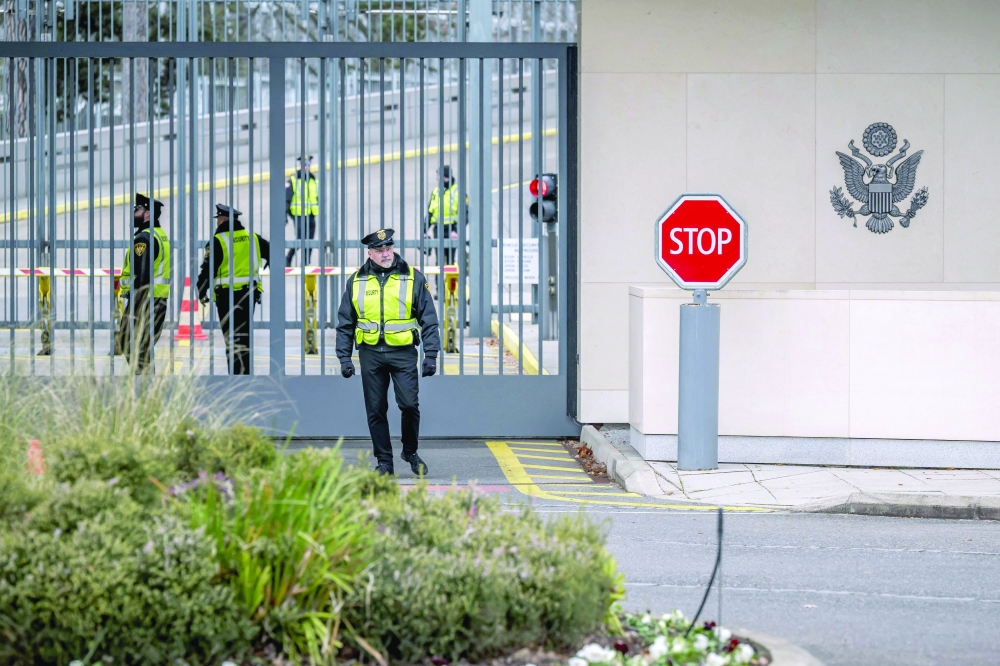
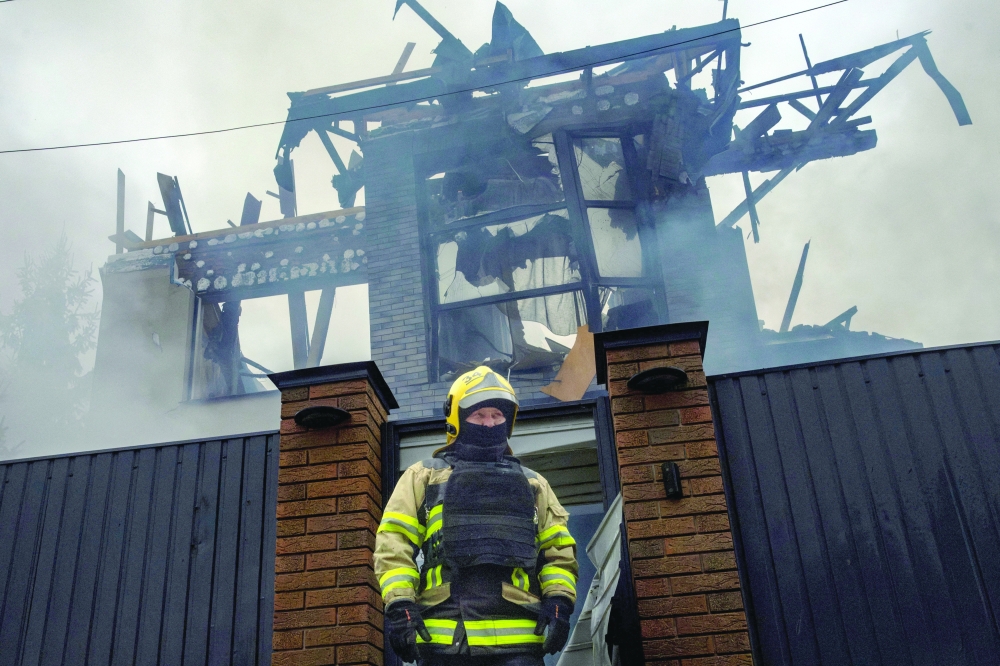
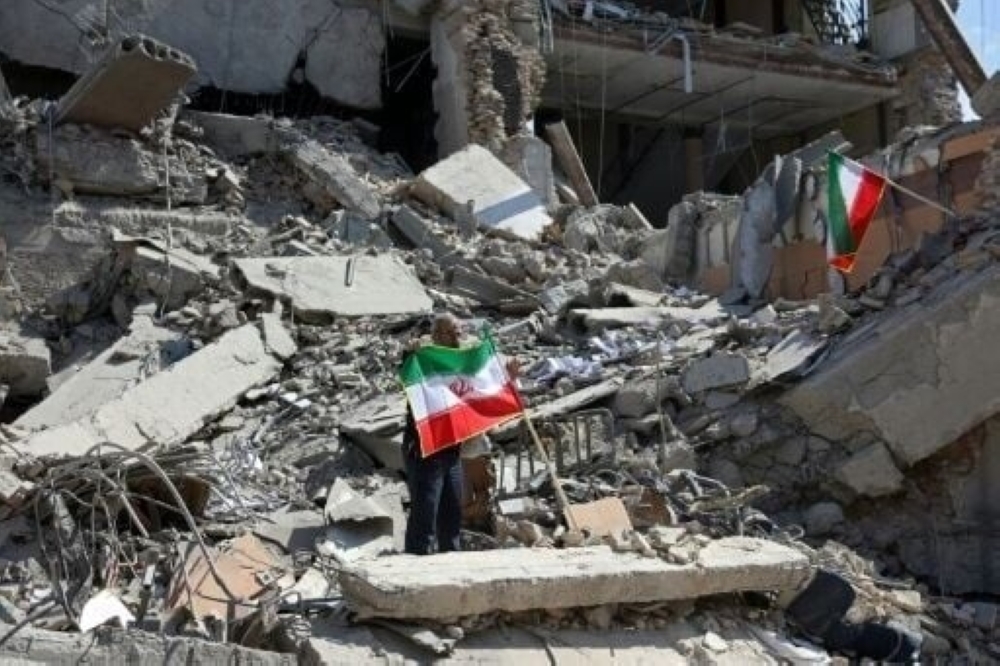
The joint American and Israeli military strike, codenamed 'Operation Epic Fury,' launched in the early hours of February 28, continues to reverberate throughout Iran, Israel, and the Gulf nations, creating a precarious situation with uncertain outcomes.
Air travel across West Asia has been severely disrupted. Given the uncertainty surrounding further escalation, volatility in oil, currency, and equity markets is expected to remain elevated. A sustained increase in oil prices would exert additional upward pressure on inflation.
Since the air strikes began, commercial flights have been halted or severely restricted, leaving tourists, business travellers, migrant workers, and religious pilgrims stranded in hotels, airports, and aboard cruise ships. Governments attempting to evacuate their citizens are facing closed airspace, missile threats, and logistical chaos.
Many observers note that the timing of the attack coincided precisely with the moment when indirect US-Iranian talks, facilitated by Oman, appeared to be approaching "a major breakthrough.”
For diplomacy to succeed, warring parties must agree on the issues being negotiated and perceive that a peaceful settlement is more beneficial than military conflict. This was clearly not the case in the recent US-Iran nuclear negotiations.
Sayyid Badr bin Hamad al Busaidy, Foreign Minister, reportedly described the Geneva round of talks held before the war as demonstrating “unprecedented openness,” noting that both parties showed exhibited in limiting nuclear programme.
Sayyid Badr has also rushed to Washington in a final effort to maintain the momentum, to outline the details of a potential agreement soon.
However, within hours of these positive signals, the strikes began. The US and its allies have not only derailed a diplomatic opening but have also cast doubt on the durability of commitments to negotiated solutions.
Even after the war began, Sayyid Badr expressed optimism that "the door to diplomacy is still open", urging a return to negotiations and warning against abandoning hope for peace.
"War should not mean that the hope for peace is extinguished. I still believe in the power of diplomacy to resolve this conflict. The sooner talks are resumed, the better it is for everyone," Sayyid Badr said on the US social media company X’s platform on Sunday.
He emphasised that the ongoing conflict should not diminish prospects for peace.
"I want to be very clear — the door to diplomacy remains open. Talks in Geneva have made genuine progress towards an unprecedented agreement between Iran and the United States,” Sayyid Badr said.
However, as reports indicate, US President Donald Trump launched the attack without any formal congressional discussion or debate, which is arguably contrary to the US Constitution.
As USA Today reported in its March 2 edition, President Trump has dragged America into a war of his choosing by attacking Iran with little public support, no congressional approval, and virtually no public justification.
“The path forward is unclear, and our self-absorbed leader is already speaking about the loss of American lives with the nonchalance one expects from a man who has never been held accountable for the consequences of his actions,” the report said.
Typically, before launching major operations, presidents and their senior advisers explain to the American people the reasons these military actions are necessary and the strategic objectives they aim to achieve.
In a Truth Social post, Trump stated that the goal of the operation is to prevent Iran from obtaining a nuclear weapon and to defend the American people by eliminating imminent threats posed by Iran.
As the war expands, it is clear there will be no true victors, although some will suffer heavier losses than others. Initiating a major conflict with a nation of 93 million people, 2,500 years of history, significant retaliatory capabilities, and no clear internal opposition is a considerable risk.
The ongoing war poses a serious threat to regional stability and global peace. If these tensions escalate into a full-scale conflict, the economic consequences would be catastrophic, extending far beyond the borders of the affected countries.
Samuel Kutty
The writer is a freelance journalist and author who worked in Oman and India
Oman Observer is now on the WhatsApp channel. Click here