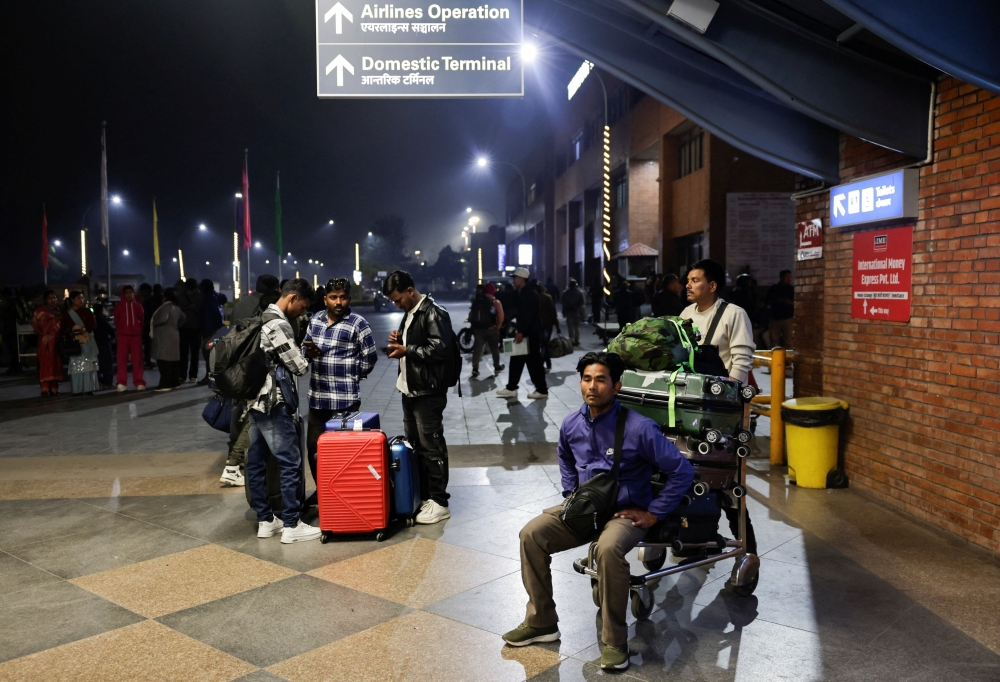





The Iran crisis has unleashed severe disruption to global aviation in the GCC, which is likely to enter its third day on Monday. US President Donald Trump said on Monday that the war may continue for four to five weeks.
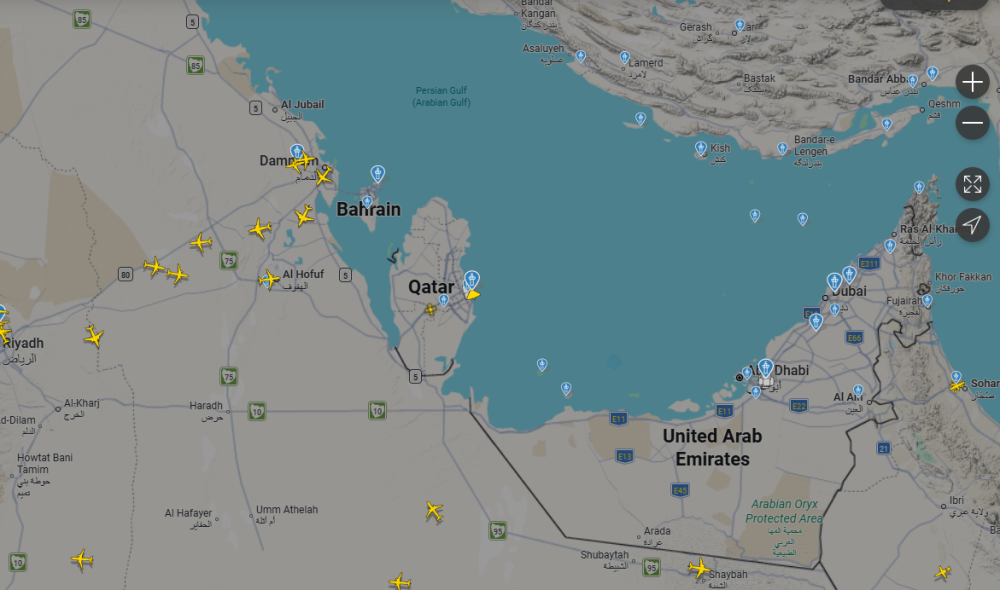
Global air travel remained heavily disrupted on Sunday as the war in Iran kept major Middle Eastern airports, including Dubai, the world's busiest international hub, closed for a second day in one of the sharpest aviation shocks in recent years. Key transit airports, including Abu Dhabi in the UAE and Doha in Qatar, were closed or severely restricted.
Oman Air and SalamAir reported that their flights to the East, including the Indian subcontinent, from Muscat have not been canceled. The Omani airspace has not been closed, though flight movements have been affected due to restrictions.
Due to multiple regional airspace closures, Emirates has temporarily suspended all operations to and from Dubai until 3 pm on March 2.
Dubai's international airport, which handles more than 1,000 flights a day, sustained damage during an attack on Sunday and will remain closed until further notice.
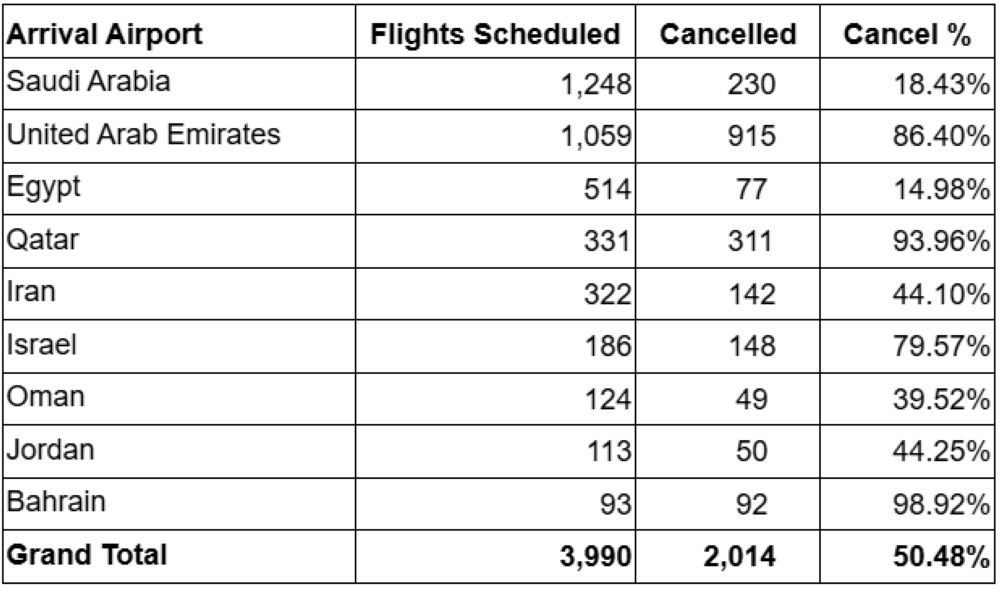
According to Cirium, the aviation analytics company, 2,014 flights (arrivals to the GCC airports) were officially canceled in the two days out of 3,990 scheduled flights in the Middle East. Many airlines have not officially canceled their schedules, but those flights, by and large, will not operate.
"There are around 900,000 seats per day scheduled to fly to the Middle East from points abroad and within the Middle East. We note that the airspace is closed in many countries of the Middle East, and so the cancellation rate should be 100% (for the UAE, for example). However, some airlines have not updated their schedules to officially cancel flights, or have simply not flown the flights."
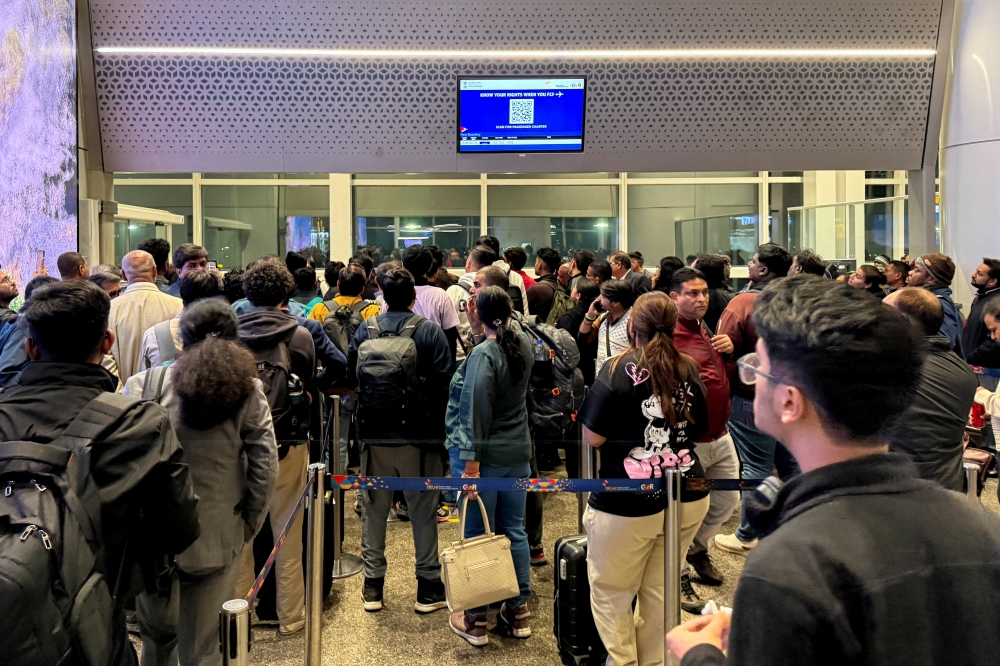
At Doha’s Hamad International Airport, gates were nearly empty as stranded passengers queued to make hotel arrangements, a Reuters witness said. As countries in the region closed their airspace, aircraft were forced to divert around Larnaca, Jeddah, Cairo, and Riyadh.
Qatar Airways, which has suspended all operations, said it would provide a further update on Monday.
Australia said Monday it has 115,000 nationals in the Middle East who are unable to fly out because of airspace closures during the conflict unleashed by US-Israeli strikes on Iran.
The government said it hoped commercial flights would resume to help Australians in the region to flee."We have about 115,000 Australians in the region. So that is a lot of people. The best way to get them home would be for commercial flights to return, because that is at scale," Foreign Minister Penny Wong told reporters.
Oman Observer is now on the WhatsApp channel. Click here