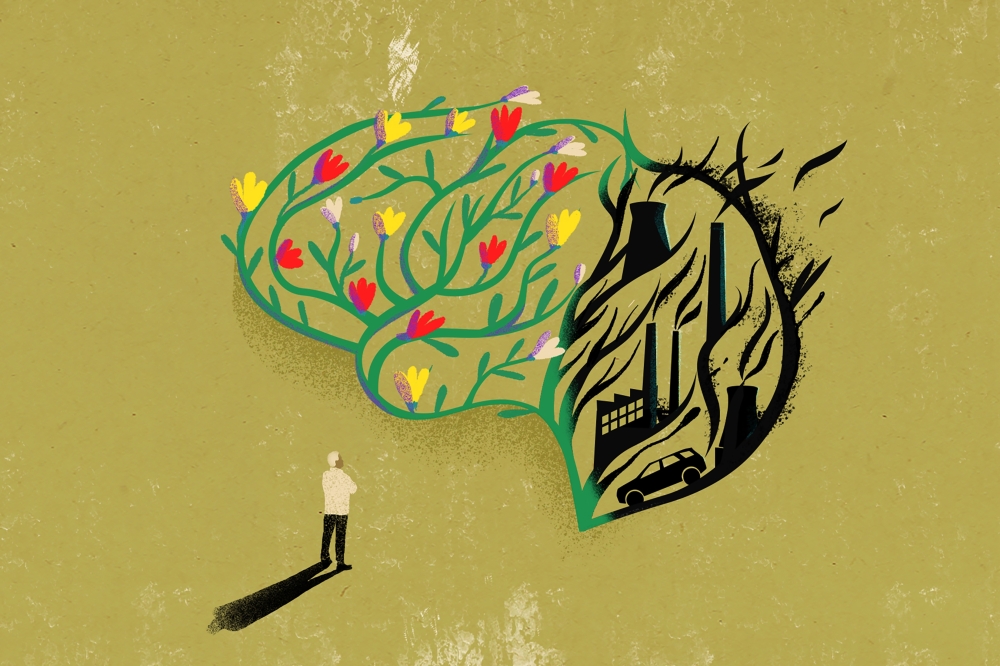
There is a certain hush that arrives with Ramadhan, a subtle softening in the air that feels less like a religious observance and more like a collective exhale. The pace of life shifts, the noise lowers, and even those who are not fasting often sense the change. Something becomes quieter, more intentional, more aware. It is as though the world gently slows its steps and invites the heart to catch up.
Ramadhan is often explained through the idea of abstinence, of not eating or drinking from dawn to dusk, yet that description barely touches its essence. The outer discipline is simply the doorway. The deeper invitation is inward. It asks people to pause, to notice, and to remember what truly sustains them. In a world that constantly encourages consumption, more food, more work, more noise, more distraction, this month offers a rare counterbalance. It softly suggests that perhaps less can reveal more.
When the usual comforts are set aside, something honest begins to surface. Hunger becomes a teacher rather than a punishment, and thirst becomes a quiet reminder of gratitude. Without the constant reflex to reach for something, whether a snack, a screen, or a task, there is space to sit with oneself. Many discover that it is not the body that struggles most, but the habits of the mind and the automatic ways we try to fill every empty moment. In that space, reflection naturally rises.
Homes often feel different during this time. Meals are shared with greater intention, conversations stretch longer into the evening, and families gather with a sense of togetherness that everyday life sometimes scatters. The simple act of breaking the fast at sunset can feel deeply meaningful, not because of what is eaten, but because of the awareness brought to it. Gratitude quietly replaces rush, and presence replaces distraction.
For parents, this slowing down offers something particularly precious. Children watch the rhythm of the household change and absorb its tone long before they understand its meaning. They notice patience, shared meals, gentle rituals, and the way adults choose presence over haste. In these small daily moments, values are not taught through lectures but through lived example. Faith, empathy, and self-restraint are quietly modelled, becoming part of a child’s inner landscape in ways that last far beyond the month itself.
There is also a widening of compassion. Experiencing hunger, even temporarily, softens the heart toward those who live with it daily. Generosity becomes more instinctive. Giving feels less like an obligation and more like an expression of shared humanity. Small acts of kindness ripple outward, reminding communities that care and connection are what truly hold people together.
What makes Ramadhan powerful is not perfection. No one moves through it flawlessly. There are moments of fatigue, impatience, and old habits calling loudly. Yet even these moments become part of the learning. The month gently reveals where we are reactive, where we are tender, and where we might grow. It becomes a quiet reset, a clearing of emotional and spiritual clutter, and an opportunity to realign with what matters most.
Long after the month ends, something often lingers. A little more gratitude, a little more restraint, a deeper appreciation for simplicity. The practices may fade, yet the memory of that inner stillness remains like a compass pointing back home. In this way, Ramadhan is less about giving things up and more about returning to oneself. It is a reminder that when life slows down and the noise softens, the heart remembers how to listen again, and how to live with greater intention, compassion and quiet grace.
Oman Observer is now on the WhatsApp channel. Click here