




In late 2024, Stacy Simpson, the chief marketing officer of Athenahealth, a health care software and services provider, started asking artificial intelligence chatbots such as ChatGPT about her company. The results were not ideal.
The chatbots did not know about some of Athenahealth’s offerings and did not name the company as an option when asked. They pulled details from insidery software websites that had not been updated in years.
Simpson realized that she had to figure out how to market to AI chatbots. “This is one of the single biggest shifts we’ve seen in decades,” she said in a recent interview.
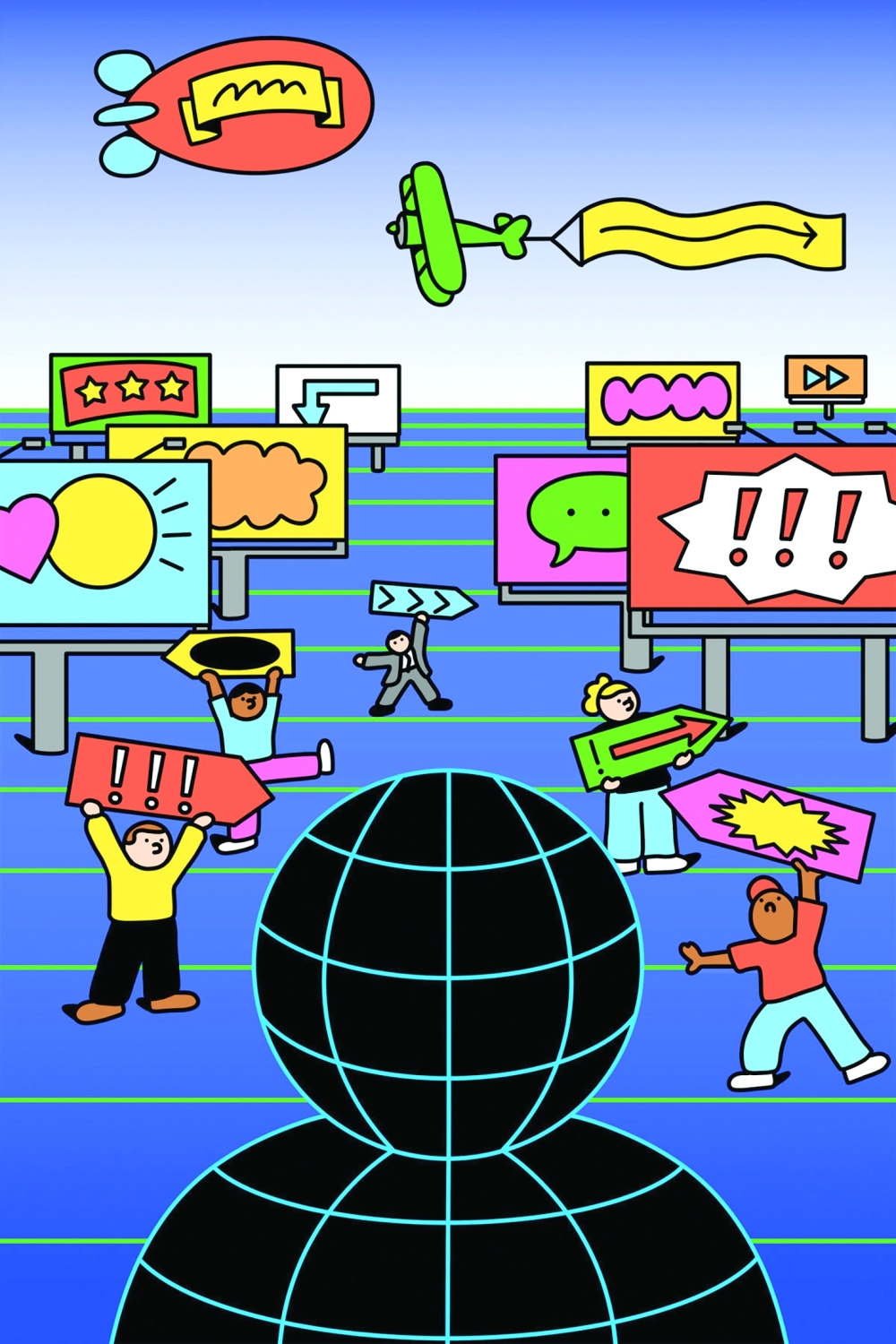
Similar realizations are happening across corporate America as companies grapple with how AI and chatbots are changing not only the way people work but also the way they consume information. That means businesses can no longer simply promote themselves to potential customers — they have to win over the robots, too.
“There is a new influencer you need to reach, and it’s this AI model,” said Brian Stempeck, a co-founder of Evertune, an AI startup that helps companies analyze what chatbots are saying about them.
Digital marketing has been in flux ever since the first banner ad appeared online in 1994. Each new digital format — from video to podcasts to social media — has spawned its own set of tech tools and self-styled gurus promising killer results, even as just as many skeptics warned against the hype. Spending on digital advertising overtook traditional media in 2019 and soared to $350 billion in the United States last year, according to eMarketer, a research firm.
The rise of chatbot marketing is happening as AI tools such as ChatGPT, Claude and Gemini hit mass adoption. OpenAI has said 800 million people use ChatGPT weekly, while Google says its Gemini chatbot has more than 750 million monthly users.
Some see AI marketing as an extension of old-fashioned search engine optimization, or SEO, which brands have done for decades to try to ensure they show up on the first page of Google’s results. The new AI marketing is called AEO or GEO, for “answer engine optimization” or “generative engine optimization.” Like SEO, it involves running test queries, analyzing the results and making recommendations on how to improve them.
For AI companies such as OpenAI, this means a business opportunity. The company has said it will begin selling ads alongside the answers provided by ChatGPT. (OpenAI did not respond to a request for comment.) In the meantime, companies are trying to influence what the chatbots say. To do so, they are focused on providing specific information — lots of it — for the chatbots to soak up. And they are homing in on certain online corners that chatbots view as trustworthy and authentic, including Reddit, LinkedIn and Quora.
It is urgent for chatbots to absorb messaging while they are still relatively new and malleable, experts said. “The first-mover advantage is going to be short,” Simpson of Athenahealth said.
The change has also meant new opportunities for entrepreneurs including Stempeck, who co-founded Evertune in April 2024. Since then, the company has raised $20 million and has more than 200 clients.
Health care and pharmaceutical companies have been quick to adopt Evertune’s tools, as have automakers, luxury brands and electronics companies, Stempeck said. His clients ask chatbots a million questions every month, on average, checking for examples where the models are wrong, out of date or lacking important context.
Chatbots are insatiable for detailed information, particularly in areas where there is a void, Stempeck said. So businesses that want to influence what the programs spit out can flood the zone with minutiae. One luxury fashion brand went from publishing five pieces of content a month to around 100, he said, while automakers made sure to publish their entire owner manuals.
Athenahealth spent the last six months publishing 250,000 words of “highly targeted, highly calibrated content” aimed at “educating” the AI chatbots, Simpson said. The result: The company is more likely to be cited in relevant queries than it was a year ago.
All of this spells changes for branding. Chatbots do not need a narrative hook or a fresh idea to get engaged. Mitch Stoller, a co-founder of Literate AI, an agency with 25 clients focused on influencing the AI algorithms, said he stressed to clients that the chatbots sought clarity, thoroughness and an extreme level of detail.
“In a way, substance has been elevated,” he said. “Vibe is not going to cut it here.” There are challenges. Chatbots sometimes cannot gain access to high-quality information from professional media outlets because it is hidden behind a paywall. Other times, they regurgitate old information as current fact. Often they just make things up.
Athenahealth went on a cleanup spree of all the old content on its website and social media channels. It was never an issue before because Google’s search engine generally favored newer content in its results. But the AI chatbots will dredge up anything, “even if it was something that was wrong 10 years ago,” Simpson said. “You have to be even more vigilant than ever.” — The New York Times
GRAPH POINTS
1. The new AI marketing is called AEO or GEO, for answer engine optimisation or generative engine optimisation
2, To do so, firms are focused on providing specific information for the chatbots to soak up.
3. Firms are homing in on certain online corners that chatbots view as trustworthy and authentic, including Reddit, LinkedIn and Quora
4. A single negative post on a message board like Reddit or Quora — even one from years ago — can also have an outsize impact.
5. Spending on digital advertising overtook traditional media in 2019 and soared to $350 billion in the US last year
6. 800 million people use ChatGPT weekly, while Gemini chatbot has more than 750 million monthly users
Oman Observer is now on the WhatsApp channel. Click here