The writer is a researcher specialising in semiotics and a member of the State Council
The remarkable advances in artificial intelligence and its many applications represent a technological leap with far-reaching implications— not only at national and developmental levels but also for individuals and their participation in this new world.
In an increasingly automated age, there is a pressing need to shape the ethics of artificial intelligence in ways that meet social requirements and uphold equality among all people.
Artificial intelligence helps nations overcome economic challenges by offering opportunities for development, innovation and growth.
It strengthens talent-based economies, creates new jobs and raises productivity. Making good use of these opportunities ensures a better future for coming generations, particularly in education and industry. Yet, the world today examines how AI is influencing gender dynamics and the changing roles of women in the labour market.
This raises essential questions: how does artificial intelligence affect women? To what extent are they benefiting from and contributing to this transformation? And do existing policies protect their participation and integrate gender equity into AI ethics?
The growing attention of global institutions working on gender equality highlights the challenge of enabling women to keep pace with rapid technological change and ensuring their meaningful inclusion.
Artificial intelligence is reshaping industries, employment and career paths. Although opportunities are theoretically available to all, the report Gender Equality in the Intelligent Era, published by the World Economic Forum with LinkedIn, notes that women are more likely to lose jobs and less likely to gain new positions arising from AI-driven change.
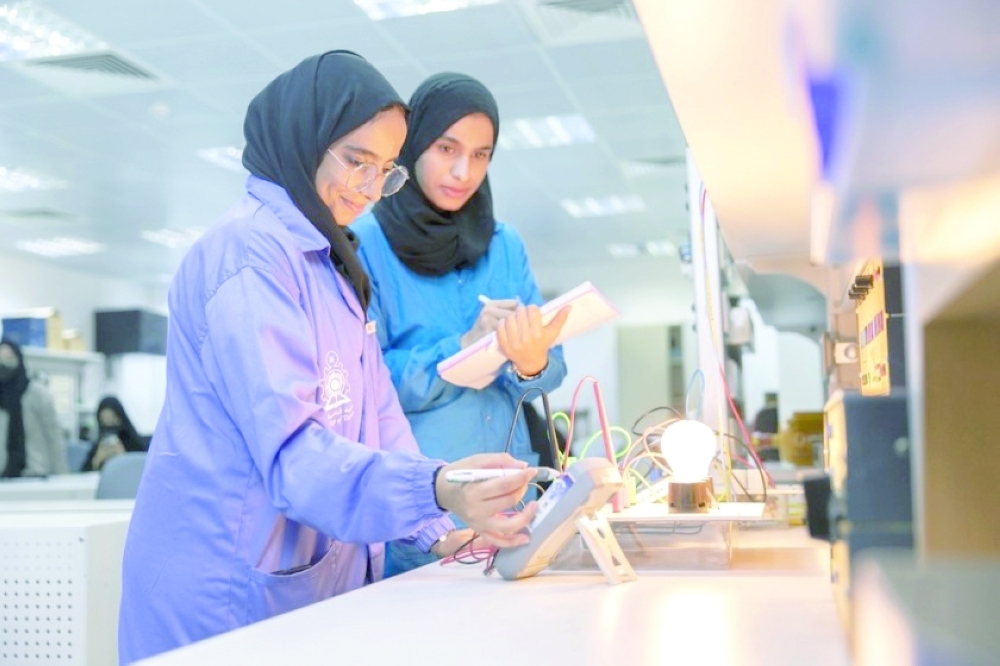
This may stem from the nature of certain jobs commonly held by women, especially in small enterprises. Yet, the same report also shows that women are increasingly active in technology, proving that digital transformation can also serve as a means of empowerment and creativity.
The report further indicates that female talent in AI has expanded considerably between 2018 and 2025, narrowing the gender gap in 74 out of 75 talent-based economies.
This growth reflects the increasing number of women entering technical education and training, supported by national strategies that promote innovation and youth development, especially in generative AI.
Such progress has enhanced women’s global presence in technology, improved career growth and reduced gender bias.
Ethical frameworks in AI have encouraged creativity and fair competition, paving the way for equitable development and wider participation in the workforce.
Women’s contribution to AI today is evident in their involvement in designing programmes, developing applications and creating digital tools. Education, training and public awareness have strengthened women’s presence in the technology sector and improved economic flexibility, social welfare and self-development—factors that reinforce their active role in society.
Generative AI has also helped overcome productivity challenges and opened new creative employment opportunities for women and girls. These emerging roles have expanded spaces for innovation and entrepreneurship, leading to new products and business models.
Female entrepreneurs have used AI tools to improve product design, support decision-making and achieve sustainable business growth.
In Oman, rapid progress in digital readiness and efforts to strengthen the AI ecosystem have encouraged women’s participation in technology.
Omani women have launched and led numerous technological projects and research initiatives in areas such as aircraft maintenance, the Internet of Things, data governance, advanced manufacturing and cultural industries. Many are now leading tech start-ups that develop innovative solutions and contribute to national development.
As Omani women continue to advance their skills and capabilities, they have become central to the technology sector as drivers of creativity and innovation.
The national strategy for Omani women should therefore focus on meeting the modern needs that shape both their future and the nation’s. A woman’s role today extends beyond care and motherhood—vital though they are — to leadership and invention. The more creative and capable mothers become, the more inspired and innovative their children will be.
The National Plan for Omani Women reflects the importance of empowerment in technical and creative fields, as such progress influences all aspects of life — from education itself to opening new opportunities in the creative economy and promoting innovation as a source of sustainable growth.
Translated by Badr al Dhafari
The original version of this article was published in the print edition of Oman Arabic newspaper on October 19
Oman Observer is now on the WhatsApp channel. Click here