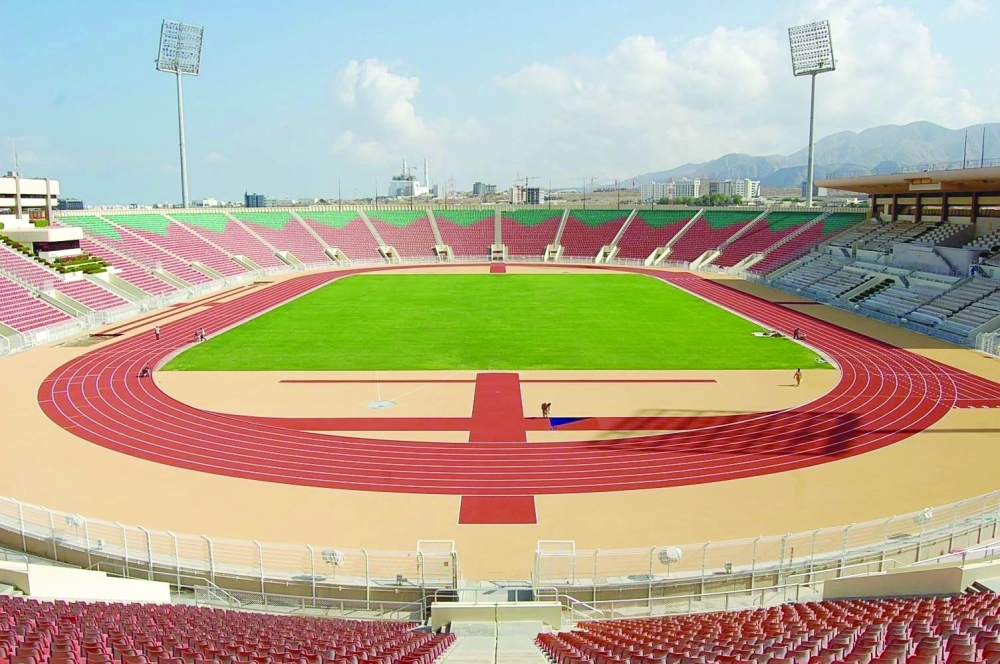





MUSCAT, JAN 25 The sports infrastructure in Oman extends far beyond match days and tournaments. Stadiums, sports complexes and indoor halls represent strategic national assets with the capacity to generate economic value, create jobs, empower youth and support the growth of sports tourism if fully utilised. Over the past few years, the Sultanate of Oman has made notable progress in developing its sports infrastructure through strategic programmes led by the Ministry of Culture, Sports and Youth. These efforts have resulted in the construction and upgrading of facilities across the governorates, strengthening Oman’s sporting landscape. Official data and statistics show that Oman currently owned 68 government sports facilities, serving sports associations, clubs, committees and both public and private institutions. Sports clubs account for the largest share with 44 facilities, followed by 13 sports centres and 11 sports complexes distributed nationwide. Despite their modern infrastructure and wide geographical coverage, many of these facilities remain underutilised, operating mainly during official competitions and remaining closed or idle for extended periods throughout the year.
As a result, assets designed to serve the community and stimulate economic activity have increasingly become high-cost facilities, generating limited financial or social returns compared to their maintenance and operational expenses.
Missed opportunities
The Oman Observer investigation highlights several practical approaches, including transforming stadiums and sports complexes into multi-purpose venues, opening greater opportunities for private sector and SME investment, adopting public-private partnership (PPP) models, drawing lessons from successful national experiences in tourism and heritage management, and ensuring long-term financial sustainability without compromising the core sporting mission.
Investment to sustain
Kahflan al Touqi, Economic analyst and writer, affirmed that strategic thinking must begin at an early stage when planning sports infrastructure investment. “Oman possesses high-quality sports complexes capable of generating sustainable income if managed through modern commercial frameworks. Structured cooperation with the private sector, including leasing and joint-operation models, can help facilities generate revenue while reducing the financial burden on government entities,” Al Touqi said.
“These revenues can then be reinvested into upgrading and maintaining facilities in line with evolving requirements.”
He cited successful national examples such as Nizwa Fort and Muttrah Fort, which transitioned from direct government management to private-sector operation while maintaining public oversight through revenue-sharing arrangements.
“Similar models can be adapted for sports facilities, particularly indoor halls, starting in Muscat and gradually expanding to other governorates,” he added.

Community Engagement
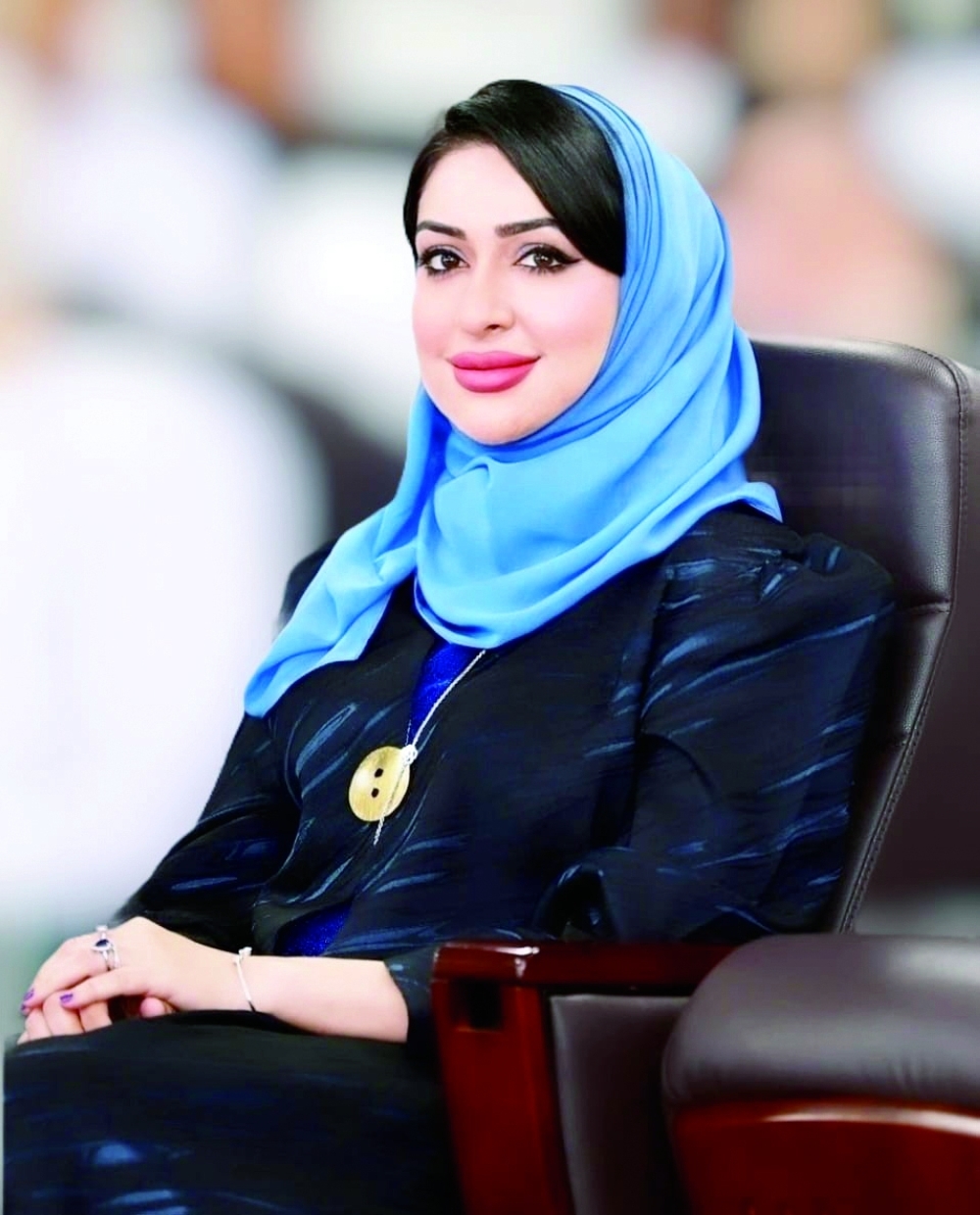
Dr Reema bint Sadiq al Sajwani, Founder and CEO of Reema Integrated Projects and a member of the Oman Chamber of Commerce and Industry, described the extended use of sports facilities as both economically and socially valuable.
“Transforming these facilities into year-round activity hubs allows them to host exhibitions, events, training camps and educational programmes,” she said. “This not only generates additional income but also supports sports tourism, public health and community well-being.”
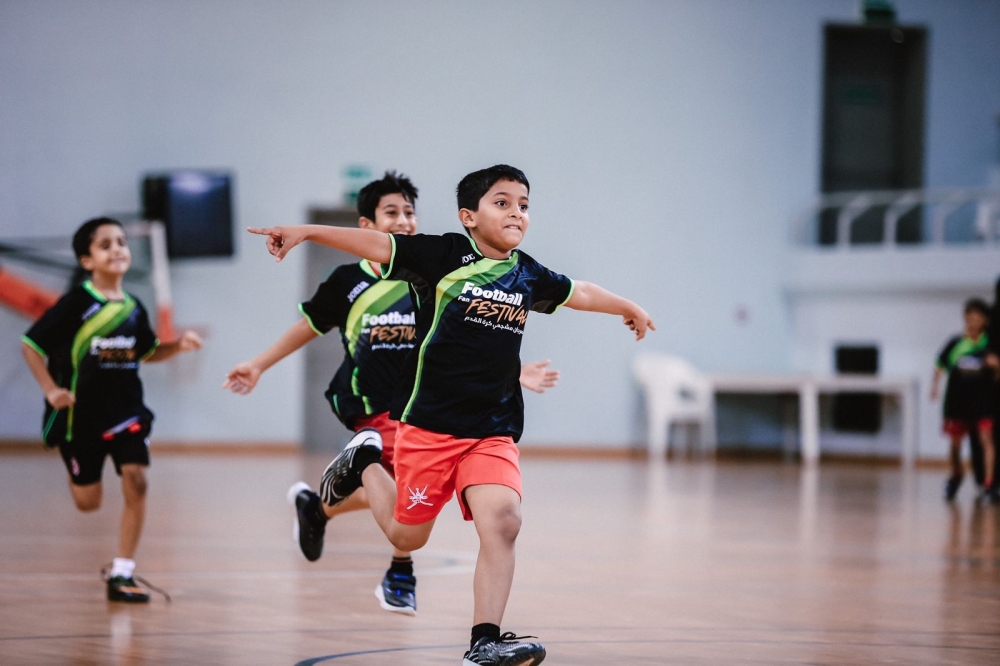
She highlighted the importance of summer programmes for students, capacity-building initiatives and women-focused sports activities, noting that such programmes create employment opportunities and enhance community participation.
Dr Al Sajwani also emphasised the need for partnerships with event management companies and private investors, alongside upgrading safety systems and service infrastructure to ensure facilities are equipped for diverse uses.
Valuable assets
Retired Colonel Abdulwahab bin Abdulkarim al Balushi, Training and development expert, said that many of Oman’s sports facilities remain largely inactive outside official events, despite the scale of investment involved. “ Leaving facilities idle leads to high maintenance costs without corresponding financial returns, while missing opportunities to stimulate the local economy,” he said.
According to Al Balushi, many stadiums and complexes are well-located and fully equipped to host community and cultural events, conferences, exhibitions, seasonal markets and youth training camps.
He called for the adoption of proven regional models such as long-term management contracts and investment partnerships, including PPP and BOT models, which have delivered strong results in neighbouring Gulf countries.
Unlocking Off-Peak Potential
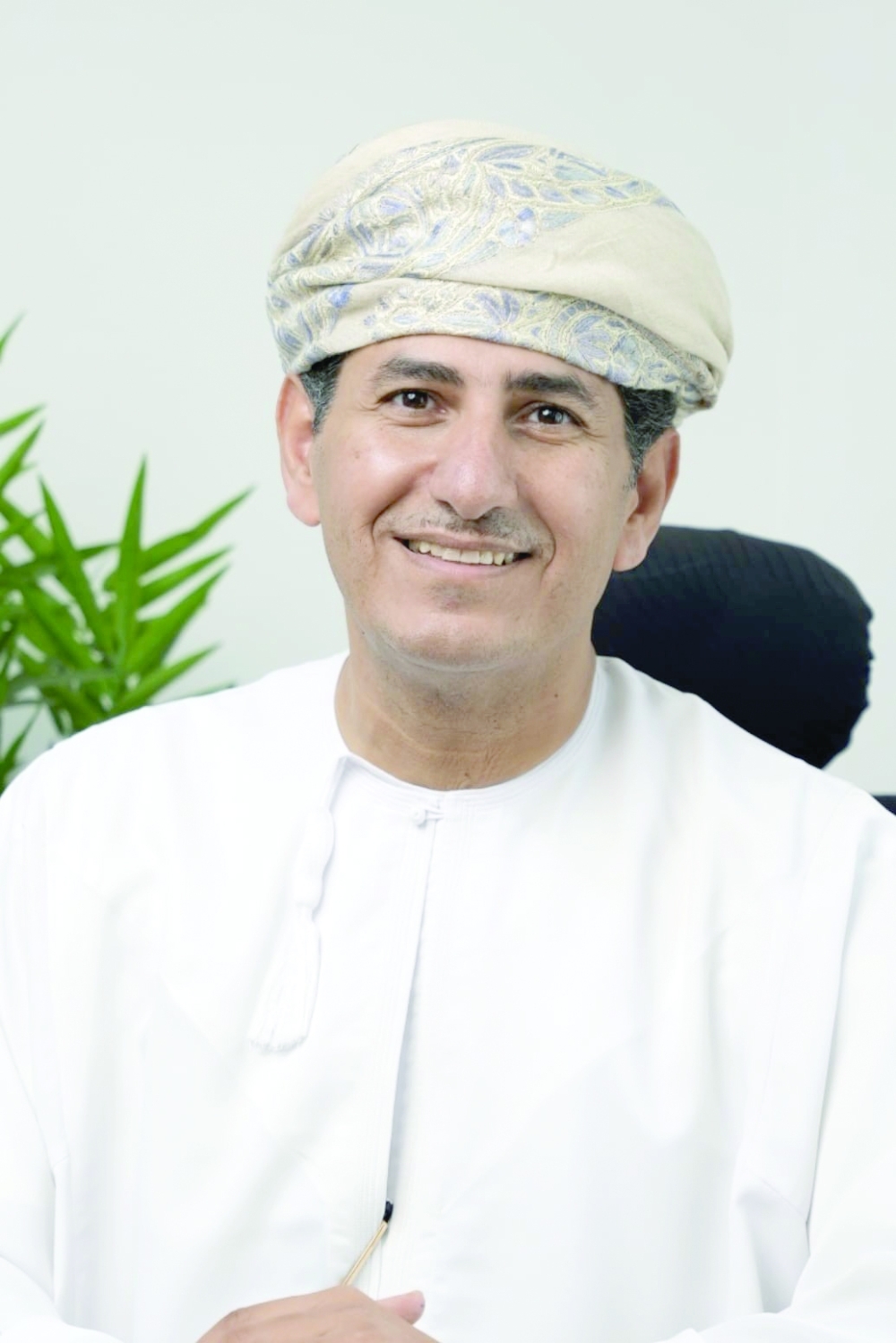
From an operational perspective, Ishaq al Hasani, Owner of Blue Wave Swimming Academy, said that many sports facilities in Oman are used only seasonally, despite their strong infrastructure.
“Based on my experience in sports training, investing in off-peak hours including mornings, evenings and non-competition periods can generate strong returns while serving wider segments of society, particularly children and youth,” he said.
“ There is a need for flexible regulations, specialised operators and incentive-based investment frameworks. Also, it is essential to have a centralised booking and investment platform managed by the Ministry of Culture, Sports and Youth to improve accessibility, transparency and efficiency,” he concluded.
With the above modern management approaches, structured partnerships and phased implementation, Oman’s sports facilities can transition from cost centres into sustainable engines of economic and social development by delivering long-term returns for the sports sector and the nation as a whole.
Oman Observer is now on the WhatsApp channel. Click here