




A recent scientific study published in the Oman Medical Journal revealed a significant increase in emergency department visits due to hypoglycemia in the Sultanate of Oman during the years preceding the COVID-19 pandemic.
The incidence rate rose from approximately 3.3 to more than 5 cases per 10,000 people, highlighting the urgent need to develop therapeutic intervention methods and update protocols used in emergency departments.
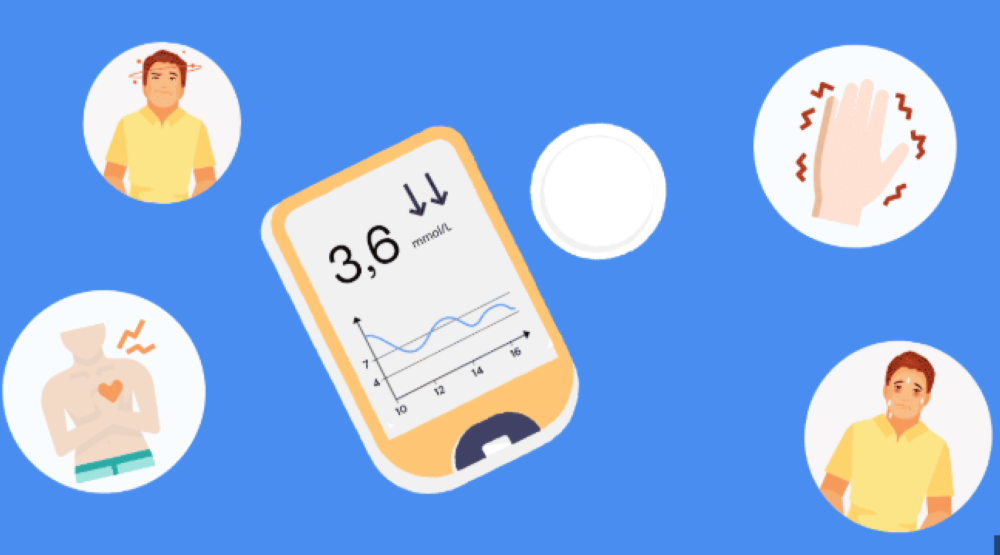
Symptoms of hypoglycemia are classified into autonomic neurological symptoms, such as sweating, rapid heartbeat, tremors, anxiety, and tingling, and neurogenic hypoglycemic symptoms, which include impaired cognition, seizures, and coma
The study reviewed data from 242 patients aged 15 years and older who presented to the emergency department between 2010 and 2017.
It aimed to determine the incidence, causes, and management patterns of hypoglycemia at a tertiary care hospital in the Sultanate of Oman before the COVID-19 pandemic.
The results also revealed a difference in complications between diabetic and non-diabetic patients. Non-diabetic patients were more likely to develop comorbidities such as liver disease, cancer, drug poisoning, and cardiac arrhythmias, while cerebrovascular complications were recorded at a higher rate among diabetic patients.
The researchers emphasized that analyzing trends in hypoglycemia cases before the pandemic can serve as a scientific baseline for comparison with trends during and after the pandemic, in terms of incidence, causes, and management methods.
The study recommended promoting the use of glucagon, particularly in severe cases of hypoglycemia, and updating treatment protocols in emergency departments. This would contribute to reducing health complications, minimizing the need for hospitalization, and improving patient safety and the quality of healthcare provided
The study results showed a widespread reliance on intravenous glucose administration, especially among diabetic patients, in contrast to a very limited use of glucagon. Glucagon was used in only one case throughout the study period, despite being a primary treatment for acute hypoglycemic episodes, particularly in cases where oral or intravenous glucose administration is difficult. The study indicated that the current availability of modern glucagon formulations, such as nasal sprays and ready-to-use preparations, provides greater opportunities for rapid intervention both in and out of the hospital.
The study, titled "Annual Trend in Hypoglycemic Emergencies in the Sultanate of Oman: A Retrospective Study at a Single Center," was prepared by Dr. Maha Al-Riyami, Dr. Walaa Al-Hinai, Dr. Mahmoud Al-Jufaili, Sathya Panchacharam, and Dr. Abdullah Al-Futaisi
The study explained that hypoglycemia is a leading cause of emergency department visits worldwide, and its incidence is expected to increase with the continued rise in diabetes rates globally and locally. Hypoglycemia mostly occurs in diabetic patients receiving insulin or sulfonylurea medications due to inaccurate dosing or irregular meal timing.
According to the American Diabetes Association definition, hypoglycemia is diagnosed when random blood glucose levels fall below 3.9 mmol/L, with slight variations in this threshold depending on the patient's clinical condition.
Oman Observer is now on the WhatsApp channel. Click here