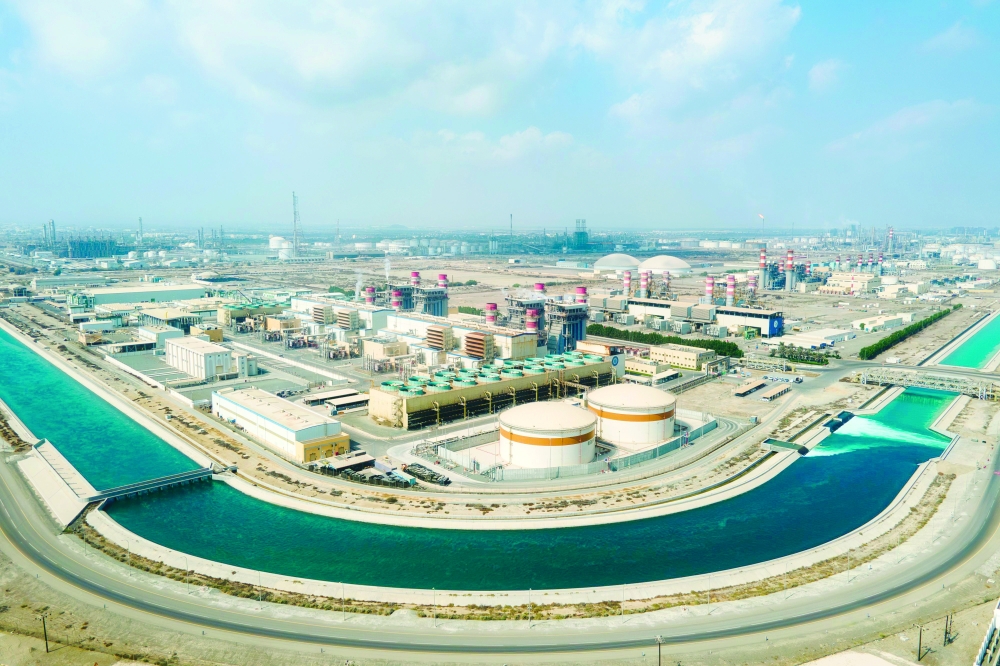
When investors visit SOHAR Port and Freezone (SOHAR), they often arrive with a familiar mindset: secure land, connect utilities, build a plant and optimise within the fence line. They soon recognise that the biggest advantage in SOHAR is not what you can build inside your plot (though important) — it’s what you can multiply because you are part of an integrated system.
I have worked closely with UNIDO on cluster and industrial development thinking, and the logic is practical: companies in one industrial area improve performance by collaborating on resources (energy, water, materials and by-products) through industrial symbiosis and shared infrastructure. In plain terms, it means designing a cluster so that outputs from one process become inputs to another and shared utilities are planned for the whole ecosystem — not duplicated project by project.
This is SOHAR’s philosophy of co-optimisation: aligning resources (chief of which is energy), infrastructure and business growth so each input creates value more than once. We care about both: securing reliable, scalable energy and — just as importantly — making sure every electron and every molecule delivers the maximum possible value across connected value chains while also maximising land productivity and long-term optionality.
We apply this approach across our key clusters — metals and minerals, plastics, petrochemicals, food and others — because integration is where competitiveness compounds.
If we take the metals and minerals cluster as an example. Upstream, SOHAR is already active across iron-based raw materials, carbon-based inputs, titanium-based materials, silicon-based materials and high-value metal additives. Midstream, value is deepened through steel production and rolling, advanced alloys, engineered surfaces and composites; and iron- and aluminium-based materials. Downstream, the chain expands into structural and finished metal products, pipes, tubulars and castings, ceramics and specialised industrial components.
Each step can stand alone. The multiplier appears when these steps are connected by design.
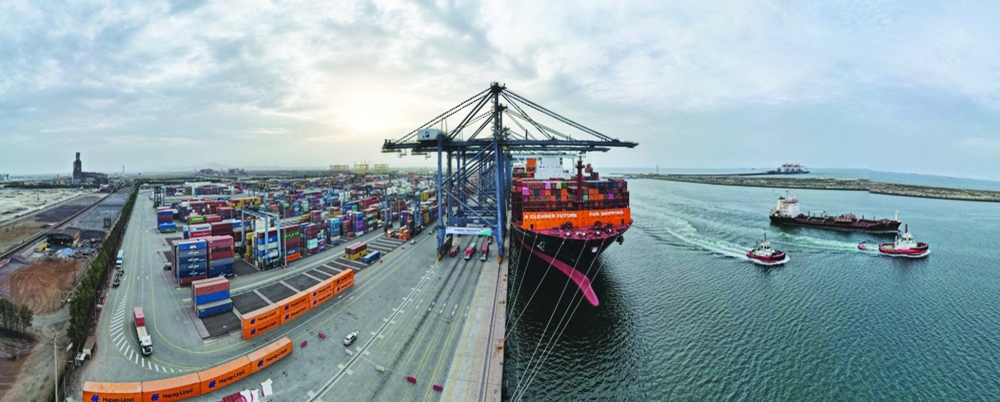
In an integrated chain, energy is not consumed once — it is leveraged. Shared power and gas strategies reduce redundancy. Intermediate products find local users rather than travelling long distances. By-products become feedstocks instead of waste. Common logistics, storage and export facilities serve multiple tenants. The result is structurally lower unit costs, stronger resilience and faster scalability because ecosystem economics improves the bankability of individual projects.
The same logic transforms the land equation. Land is strategic capacity. When industries are linked physically and economically, we can increase value per hectare — more output, more industrial depth and more jobs from the same footprint — while keeping room for the next wave of industries.
This is the investor proposition we are building in SOHAR: not “a location”, but a connected industrial system. The goal is straightforward: turn integration into advantage and turn resources into multipliers.
DR ABDULLAH AL ABRI
The writer is Vice President — Sustainability at SOHAR Port and Freezone
Oman Observer is now on the WhatsApp channel. Click here