




Stone walls that once bore witness to cannons and watchful silence now speak in ink, colour, and form. At Al Mirani and Mutrah forts, history does not sit still — it listens, absorbs, and responds. This is the quiet power behind Alamat, a graphic design exhibition that transforms Oman’s heritage into a living visual dialogue.
As Ashwaq al Maskari, Head of Project Management at Al Alama, explains: “We wanted to take young designers on a real experience, not just teach them design, but let them live it.”
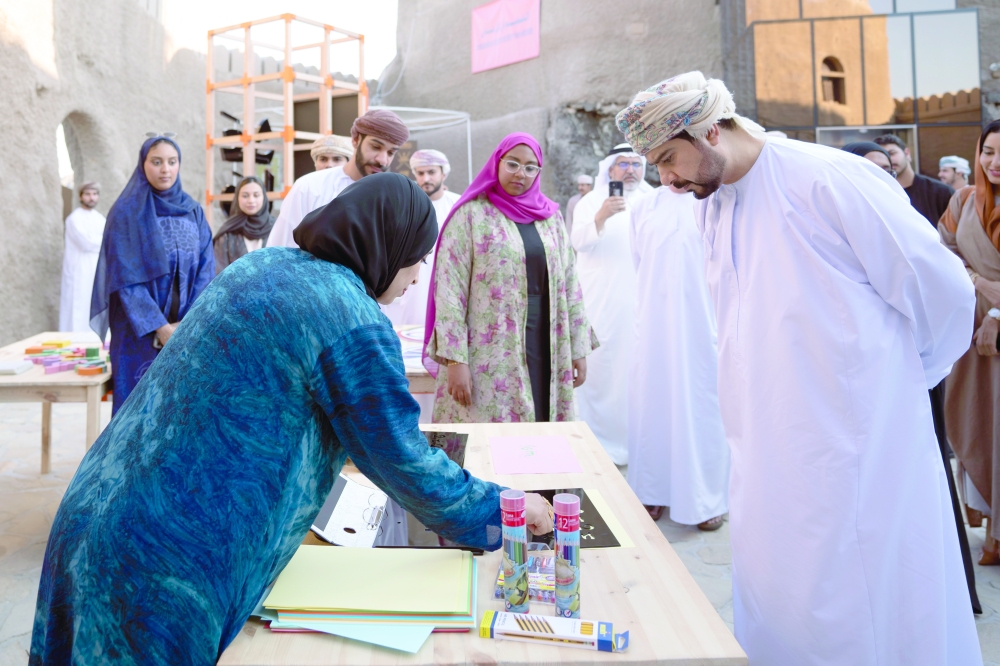
Inaugurated under the auspices of Qais bin Mohammed al Yousef, Chairman of the Public Authority for Special Economic Zones and Free Zones (OPAZ), Alamat opened at Al Mirani Fort on January 14 and runs until January 28.
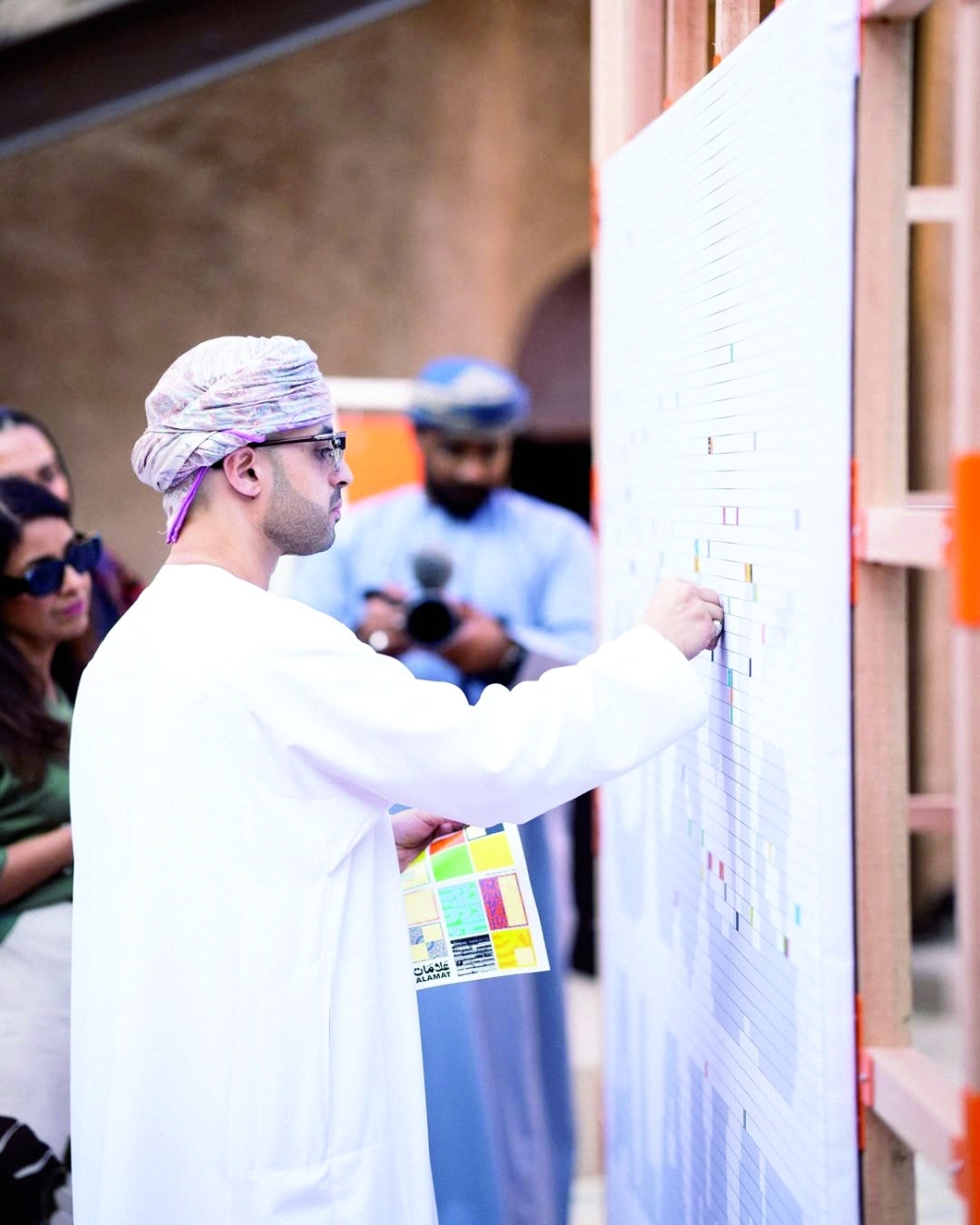
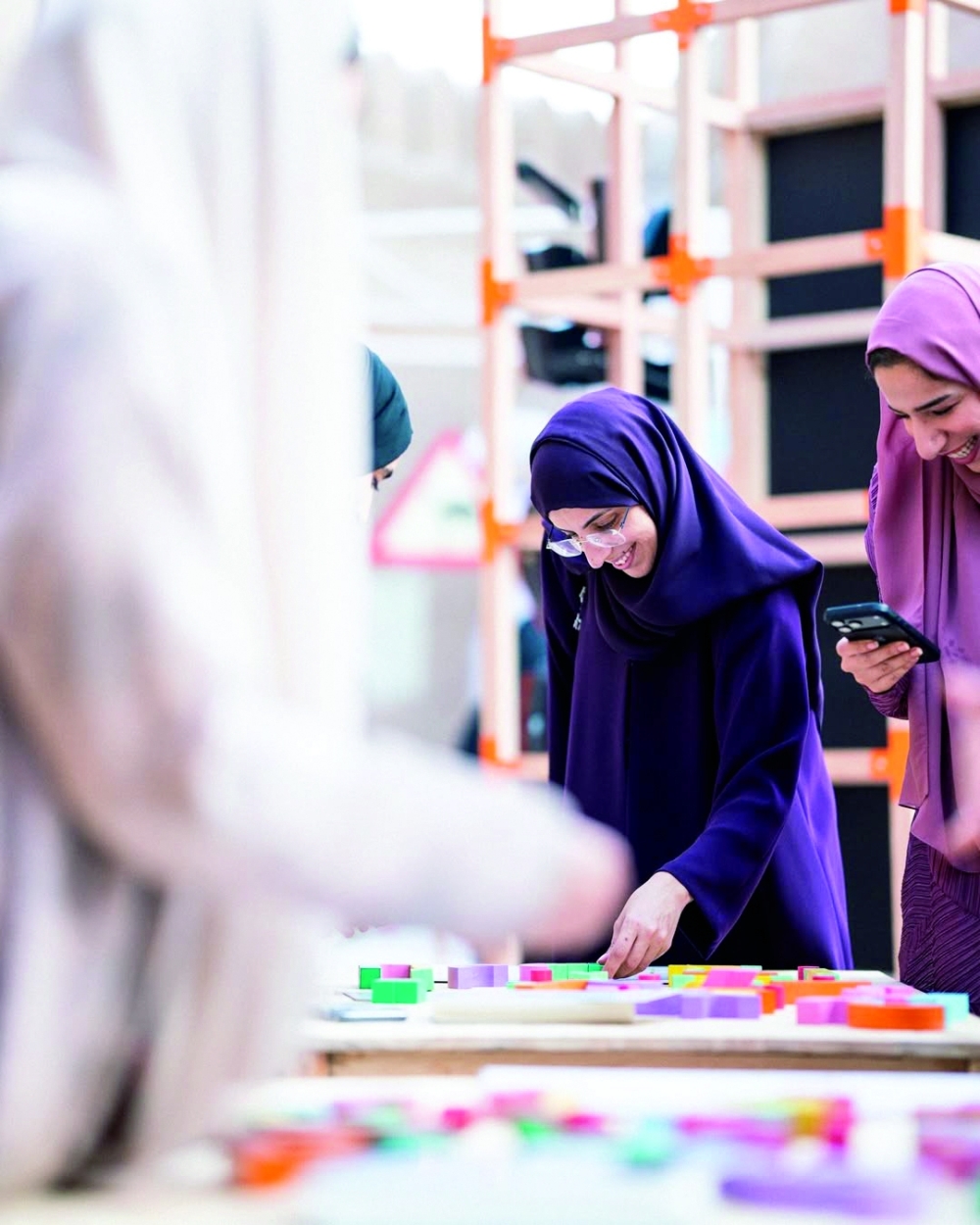
The exhibition culminates two weeks of intensive workshops held as part of Alamat Lab, a creative incubator bringing together Omani and Arab artists, mentors and emerging designers.
Organised by Al Alama Marketing in collaboration with Jibal Al Hajar Company, operator of the forts, the exhibition offers more than printed posters on ancient walls. It creates a dialogue between contemporary graphic design and Oman’s layered cultural memory.
The forts’ stone corridors and open courtyards serve as active canvases, framing works that explore typography, identity, place and heritage through modern visual language.
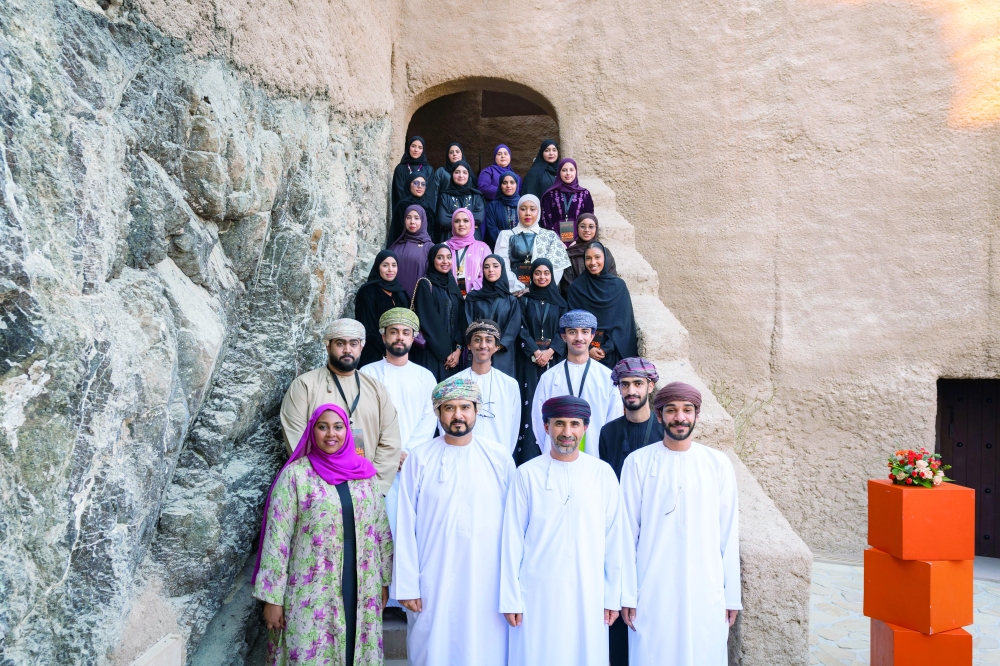
Over 200 applicants applied to join the lab, from which 30 young designers were selected. During the first week, each participant developed an original poster; in the second week, one-on-one mentorship refined their work, revisiting concept, execution, and intent. From these, 20 final works were chosen for exhibition, with the strongest designs receiving special recognition.
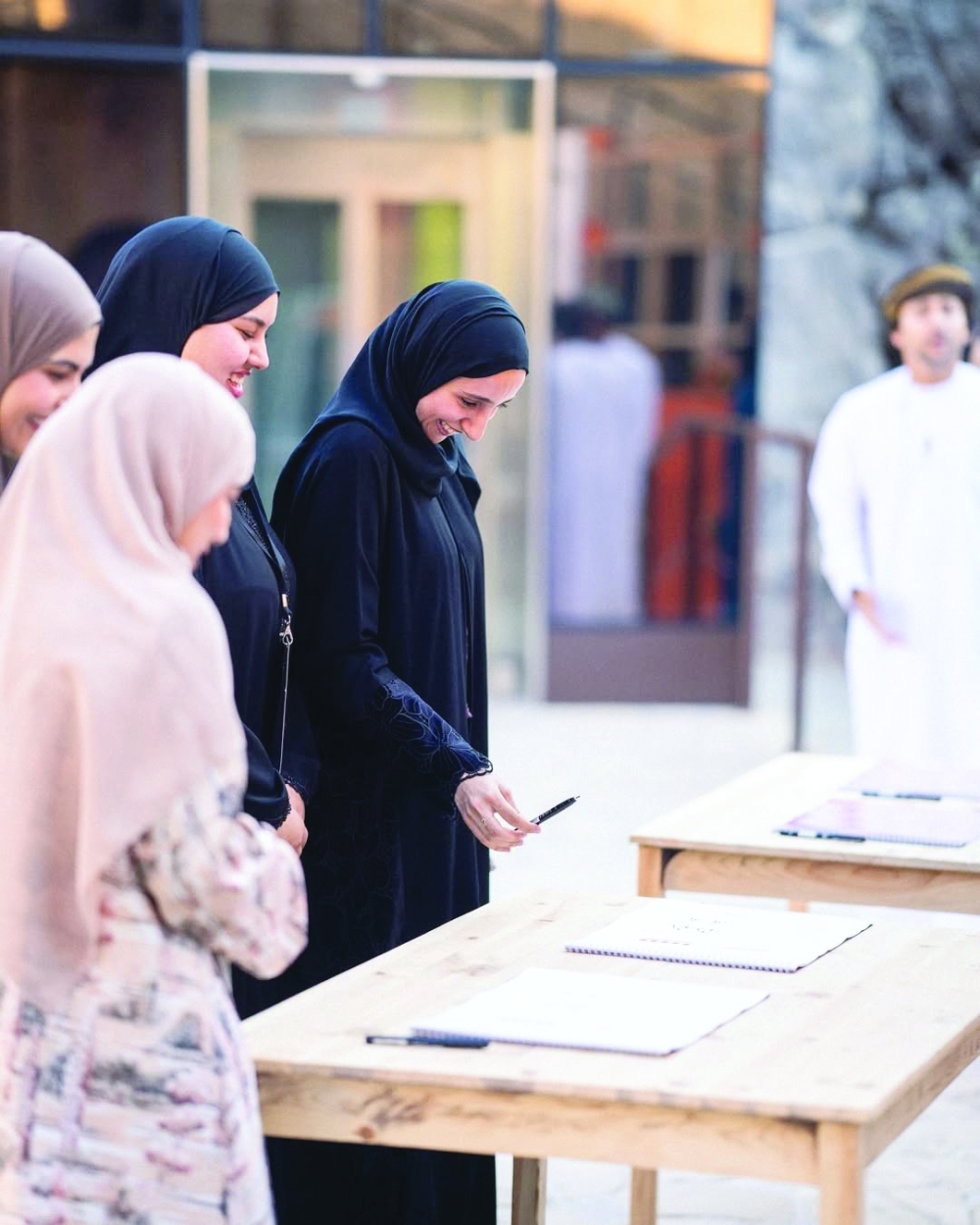
Walking through Alamat, visitors encounter a striking diversity of visual approaches. Some posters reinterpret Arabic letterforms with bold restraint, while others deconstruct cultural symbols into abstract compositions.
Each piece carries the fingerprint of its creator, yet collectively, they reflect a shared awareness of place and time. These works are neither nostalgic nor detached experiments — they are contemporary responses rooted in lived experience.
Qais bin Mohammed praised the exhibition for reflecting “a high level of artistic awareness and a genuine desire among young designers to express themselves through innovative methods.”
He emphasised that initiatives like Alamat go beyond enriching the art scene, contributing instead to the development of specialised human capital and the growth of Oman’s creative industries.
He highlighted the role of design and visual arts in shaping national brands and tourism, key areas in Oman Vision 2040.
For Al Alama Marketing, Alamat represents a natural extension of its commitment to visual culture. The company, instrumental in projects such as Oman’s promotional identity and Oman Font, views the exhibition as both a platform and a responsibility.
CEO Hashar bin Khamis al Munthiri described it as the “crowning result of two intensive and high-quality weeks,” showcasing how designers transformed local heritage and everyday experiences into compelling contemporary visuals.
Equally significant is the choice of venue. Hani bin Abdulaziz al Kindi, Board Member at Jibal Al Hajar Company, noted that hosting Alamat at Al Mirani and Mutrah forts reinforces the idea that heritage sites are not static monuments but living platforms capable of generating knowledge and inspiring creativity. In this setting, the exhibition reactivates history, allowing the forts to participate in today’s cultural production.
Alongside the exhibition, live activities and open talks invite the public to engage with graphic design and Arabic typography not merely as visual practices, but as social and cultural forces through which communities define themselves. This openness makes Alamat more than a showcase — it becomes an exchange.
As sunlight filters through the forts’ openings and falls on inked surfaces, Alamat leaves a quiet but lasting impression.
It demonstrates that signs, like heritage, gain meaning when revisited, reimagined, and shared. In these forts, design does not replace history; it listens, then speaks back, confidently, in the language of now.
Oman Observer is now on the WhatsApp channel. Click here