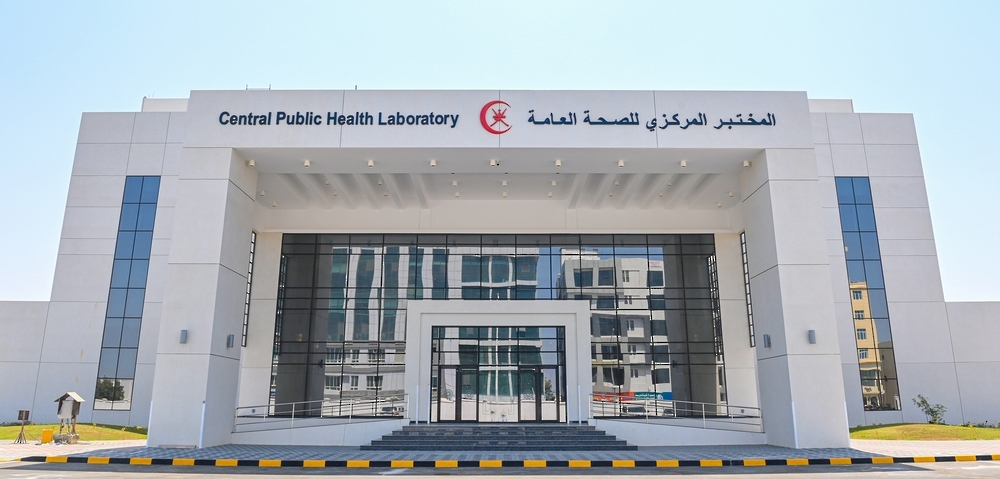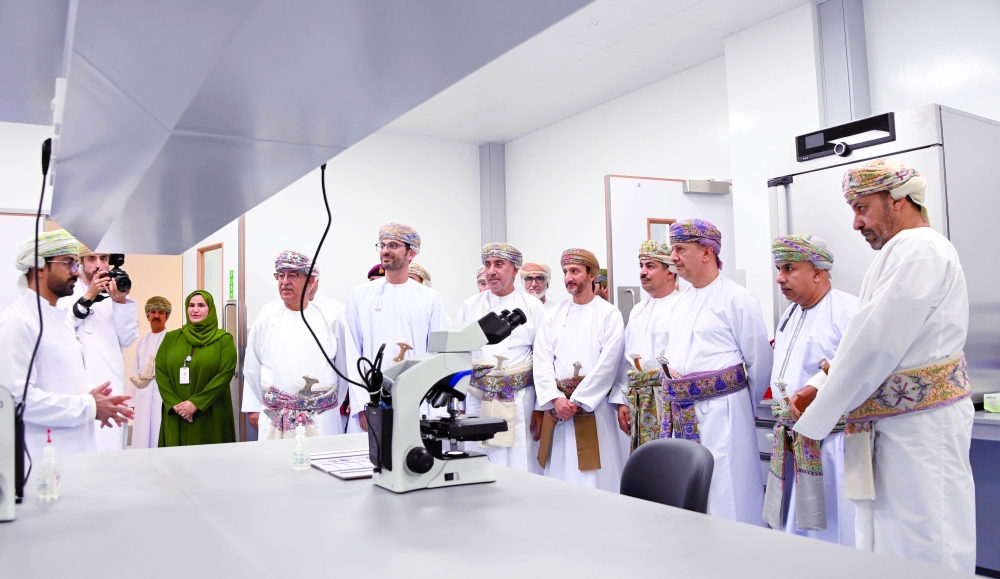





MUSCAT: The Central Public Health Laboratory (CPHL) officially opened its new premises, equipped with state-of-the-art facilities. The laboratory, the nation’s highest reference centre for advanced testing, epidemiological investigation, genetic analysis, and laboratory quality assurance, plays a pivotal role in supporting surveillance programmes for communicable and non-communicable diseases, food, water, and environmental safety, as well as monitoring antimicrobial resistance.
Designed according to international standards, the laboratory houses advanced molecular biology technologies, gene sequencing capabilities, and intelligent laboratory information systems, boosting Oman’s capacity in preventive and precision medicine, early warning systems and rapid epidemic response.
Dr Ahmed bin Salim al Mandhari, Under-Secretary of the Ministry of Health for Planning and Health Regulation, described the opening as 'a significant national milestone reflecting Oman’s commitment to strengthening health security and placing public health at the forefront of sustainable development under the renewed renaissance led by His Majesty Sultan Haitham bin Tarik.' He emphasised that the facility represents a qualitative leap in monitoring, diagnosis, and rapid response, aligned with Oman Vision 2040’s focus on quality of life and sustainable health.
During 2025, MoH laboratories, including CPHL, conducted approximately 22.9 million tests, highlighting the laboratory’s critical role in rapid detection of health hazards, microbial strain identification, and monitoring mutations.
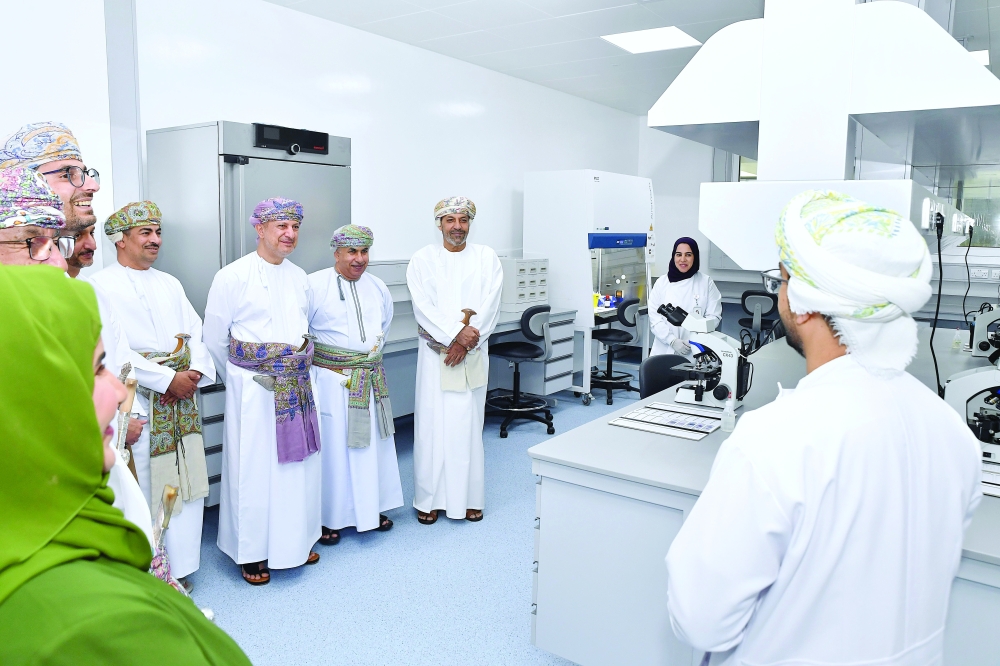
The laboratory also opens avenues for scientific research, fosters local and international academic partnerships, and supports the training of specialised Omani cadres in laboratory sciences, aiming to serve as a regional hub for innovation, knowledge transfer and international accreditation.
Dr Ali bin Abdulhussein al Lawati, Adviser to the Minister’s Office for Engineering Affairs, noted that CPHL spans 53,000 square metres of land with 19,480 square metres of building space, at an estimated cost of RO 18.2 million.
The facility includes three floors with high-security laboratories (BS 2-BS and BS 3-BS) and specialised labs for virology, bacteriology, chemistry, toxicology, newborn screening, genetic sequencing and bioinformatics. Supporting infrastructure includes a lecture hall, library, meeting rooms and training labs to enhance continuing education.
Dr Zakaria al Balushi, Director-General of the Centre for Disease Control and Prevention, highlighted the laboratory’s role in providing “highly efficient services that contribute to early disease detection and rapid public health response in accordance with national and international standards.”
As a WHO-accredited reference centre for diseases such as polio and influenza, CPHL supports national epidemiological surveillance, ensures laboratory quality standards and advances training programmes for public health personnel.
Dr Hanan al Kindi underscored the unique capabilities of the Genetic Sequencing Laboratory in analysing bacterial evolution, monitoring drug resistance, and supporting treatment programmes for serious diseases including HIV, tuberculosis and seasonal influenza.
Dr Amina al Jardani, Senior Consultant Physician, emphasised CPHL’s regional significance: “The Central Public Health Laboratory in Oman is a leading reference centre in the Eastern Mediterranean, undertaking WHO-accredited regional tasks for influenza, polio, measles, and rubella and participating in the PulseNet Middle East network. It sets the standard for quality assurance in microbiology and serves as a WHO Collaborating Centre for Emerging Diseases.”
The Central Public Health Laboratory stands as a cornerstone of Oman’s epidemiological surveillance and early warning system, strengthening national and regional health security through precision, protection and progress.
Oman Observer is now on the WhatsApp channel. Click here