As Oman accelerates its shift towards renewable energy, attention is increasingly turning to a less visible but critical part of the power system: energy storage. While solar panels and wind turbines often dominate public discussion, it is storage technologies that determine whether clean energy can be delivered reliably, day and night, to homes, industry and future green hydrogen projects.
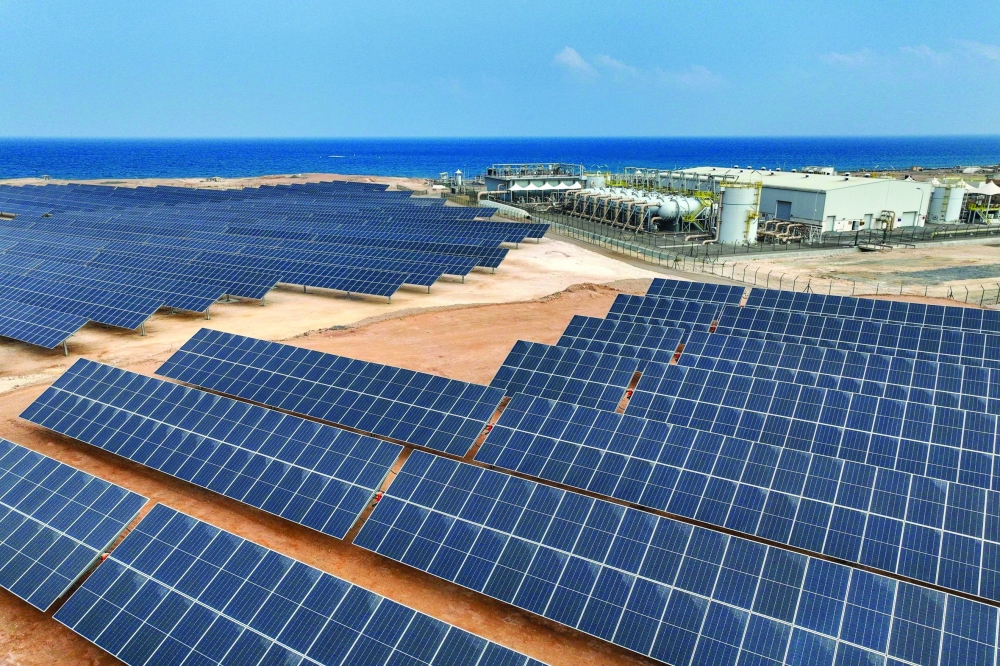
Today, lithium-ion battery energy storage systems form the backbone of modern grid storage in Oman and across the GCC. These systems are commonly paired with large solar plants to manage fluctuations, store excess daytime generation and release electricity during evening peak demand. Their strengths lie in fast response times, high efficiency and a strong global track record. However, they also come with limitations. Lithium-ion batteries depend on imported materials such as lithium and cobalt, face safety and performance challenges in extreme heat and become costly when scaled for long-duration storage beyond a few hours.
As renewable capacity expands, these constraints are driving interest in new storage solutions. Solid-state batteries are widely viewed as a next-generation option. By replacing liquid electrolytes with solid materials, they significantly reduce fire risk and increase energy density. Although still in the development and early commercialisation phase, solid-state batteries are expected to play a role in future grid storage upgrades, particularly in hot climates like Oman.
At the same time, attention is growing around alternatives that prioritise affordability and long duration over compact size. Sodium-ion and iron-air batteries rely on abundant, low-cost materials and are designed mainly for stationary grid use. Sodium-ion systems are already entering early commercial deployment globally, while iron-air batteries offer the potential to store electricity for many hours or even days, addressing one of the key weaknesses of lithium-ion technology.
Beyond batteries, non-chemical storage is also entering the conversation. Gravity energy storage systems use surplus electricity to lift heavy weights or move them vertically in shafts, releasing power as the weights descend. These systems have long operational lifetimes and minimal degradation. Thermal storage, including sand-based or high-temperature heat storage, converts electricity into heat and back into power, offering a promising option for long-duration and industrial-scale applications.
Oman Observer is now on the WhatsApp channel. Click here