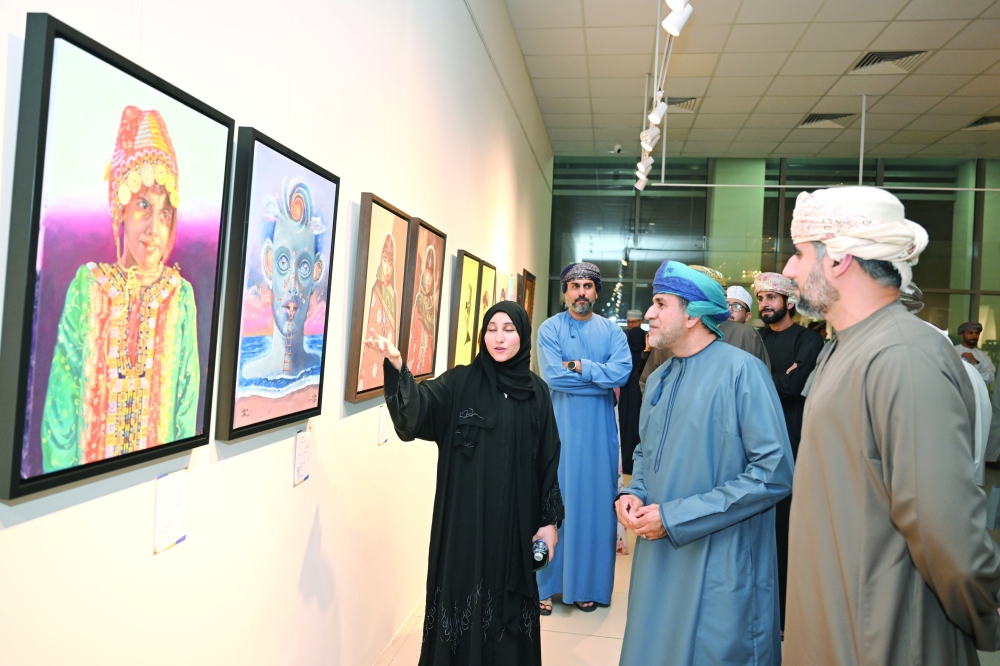





Under soft gallery lights, faces look back at you from the walls of the Omani Society for Fine Arts. Some are familiar, others imagined, some deeply realistic while others lean toward symbolism and personal interpretation. Together, they form “Mohya”, an exhibition that does more than present portraits, it reveals a six-month journey of learning, observation, and transformation.
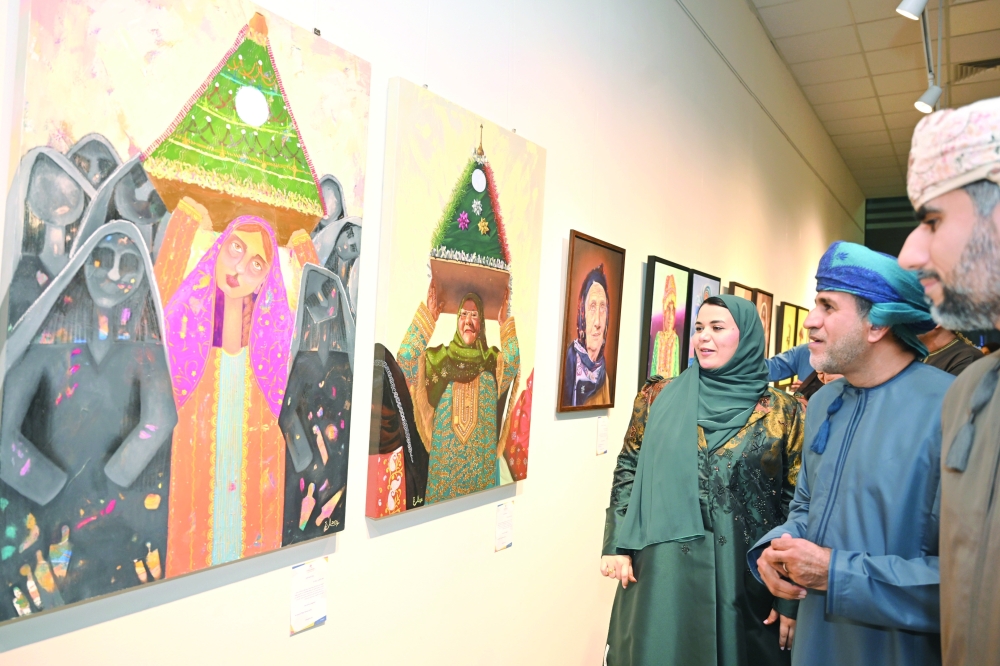
The exhibition, organized by the Ministry of Culture, Sports and Youth in collaboration with the Omani Society for Fine Arts, marks the culmination of the Fundamentals of Portrait Drawing Program, led by artist Dawood bin Sulaiman bin Musbah al Shibli. From June of 2025 to January of 2026, nearly thirty participants aged sixteen and above gathered with a shared curiosity about the human face. No prior artistic talent was required. What mattered was commitment, openness, and the willingness to start from the very first step.
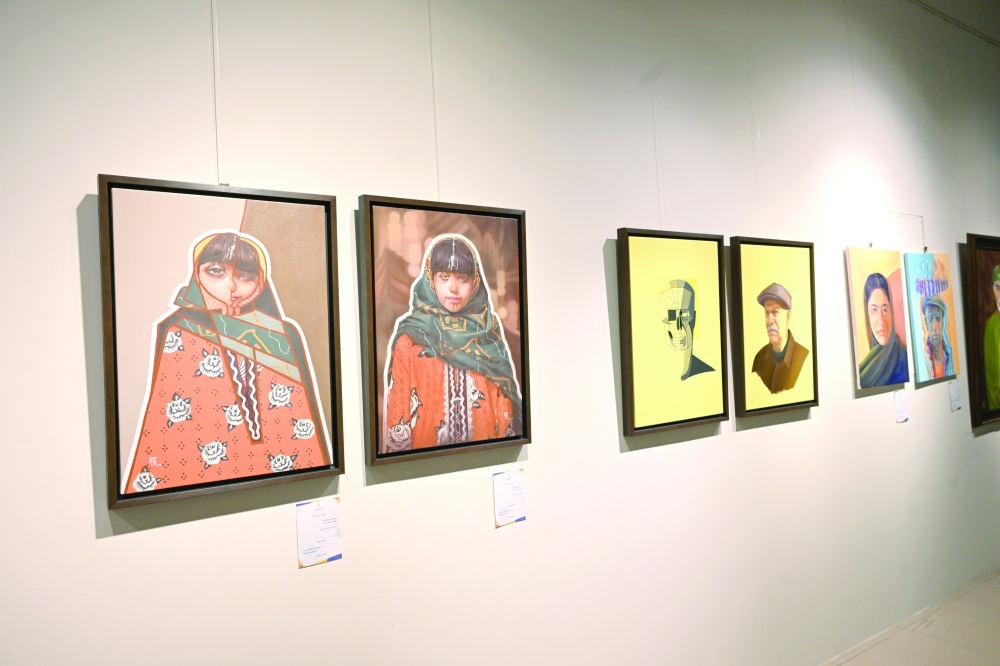
Rather than rushing toward finished results, the program focused on building a solid artistic foundation. Participants were guided through a structured and carefully sequenced curriculum that shortened the usual trial-and-error path many artists face. Using limited tools and materials, they learned how to see before they learned how to draw. Two central questions shaped the experience: Why do we see the face the way we do? and How do we draw it accurately?
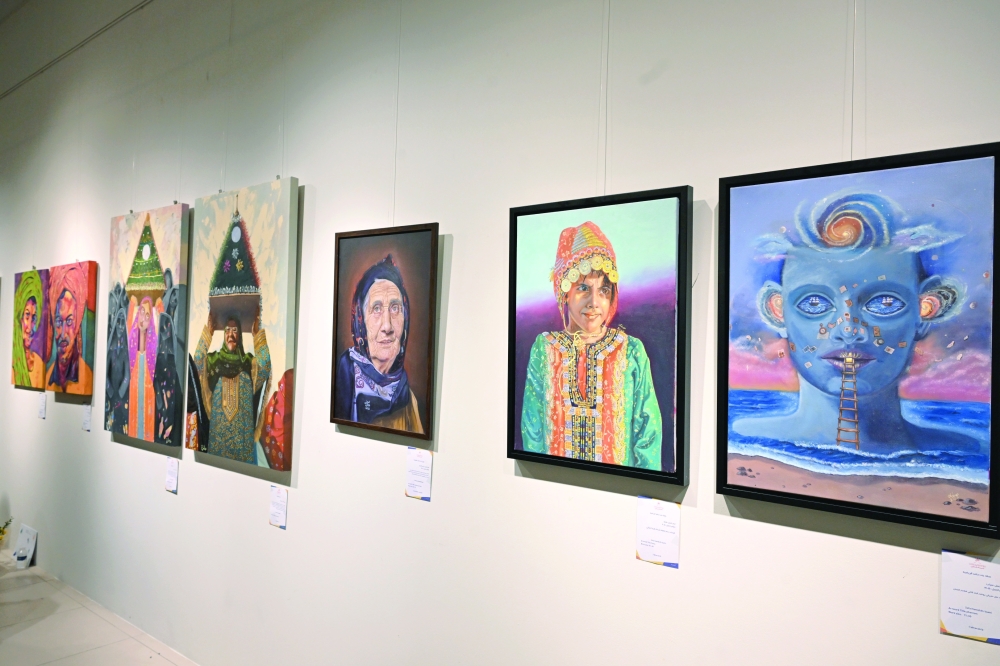
To answer these questions, the journey began beneath the surface. Participants studied the anatomy of the human head, starting with the skull, moving through muscles, fat layers, and skin. This anatomical understanding helped them grasp how light and shadow interact with facial features across different ages and genders. The result is visible throughout the exhibition: confident proportions, thoughtful shading, and faces that feel structurally grounded rather than decorative.
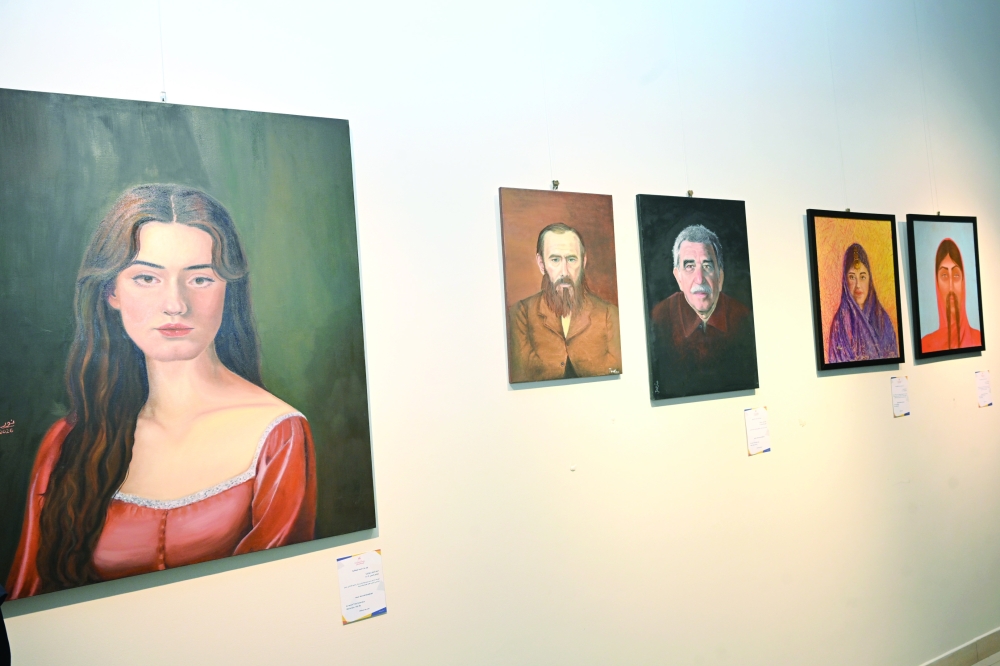
The title “Mohya”, meaning visage or countenance, reflects this layered exploration. The exhibition presents 45 artworks, each documenting growth, experimentation, and individual voice. For many participants, the works on display represent both where they began and how far they have come.
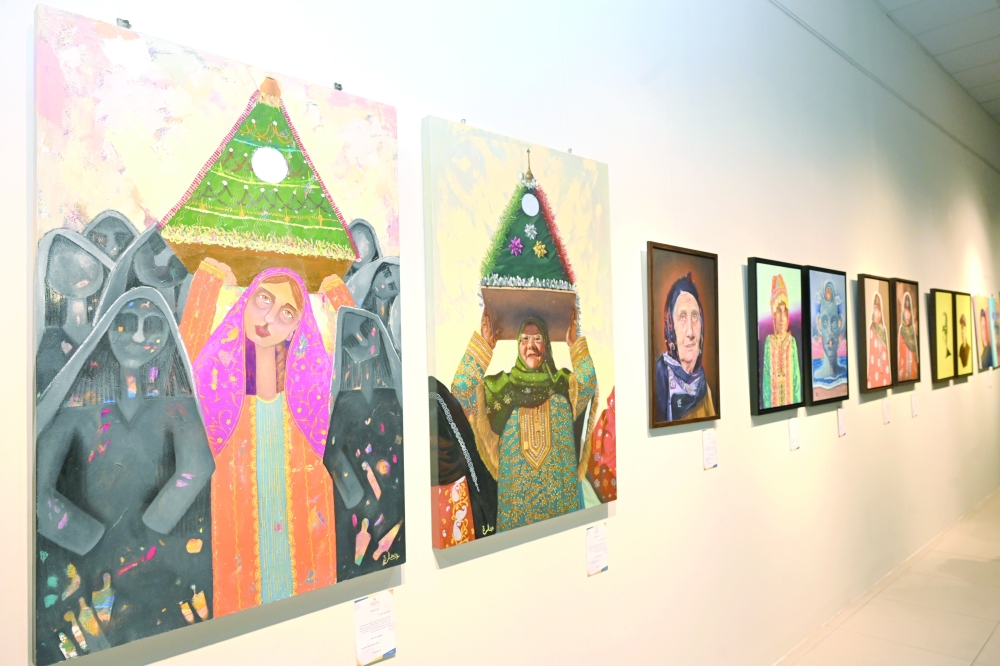
One of those participants is Rashid Sulaiman al Amri, a visual artist and student, who describes the workshop as a turning point. Over the seven months, he says, the focus on facial details, anatomy, and measurements reshaped the way he approaches drawing. His oil painting of the late Sultan Qaboos stands out as a personal benchmark. Having painted the subject before, Rashid intentionally returned to it to measure his progress. Completed over five days, the work reflects what he describes as a “big, big difference” in his skill level. For him, the exhibition’s strength lies in comparison, each artist presenting two works that reveal the contrast between “before” and “after.”
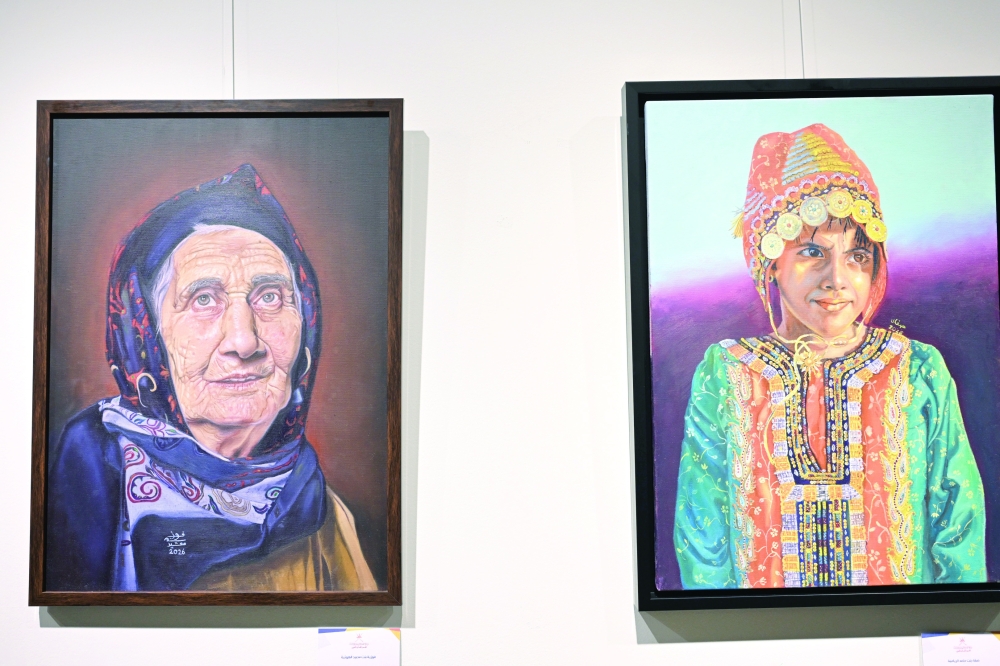
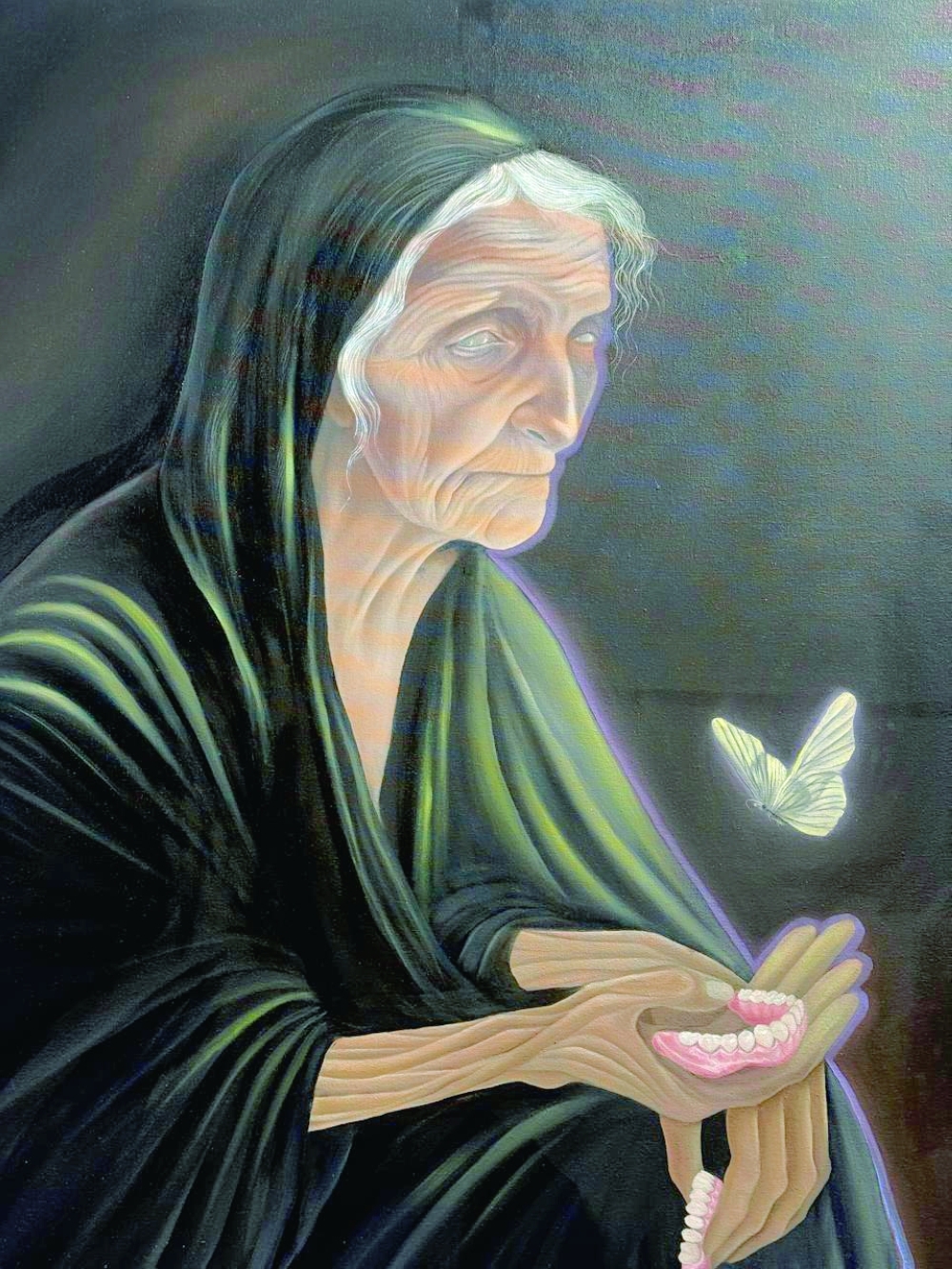
Across the gallery, a different emotional language emerges in the work of Muzna al Awfi, whose surreal piece titled “Rukam” (Rubble) offers a symbolic interpretation of the human face. Her artwork depicts an elderly woman holding a jawbone, one hand expressing despair, the other acceptance. The jaw becomes a metaphor for age and lived years, while a butterfly on the ar right of the portrait represents the emotional weight carried through daily experiences. Laughter, tears, and pain, she explains, all leave traces on our features over time, accumulating like invisible layers. Having previously worked with Al Shibli, Muzna describes the workshop as deeply researched and thoughtfully prepared, emphasizing studies and understanding before execution.
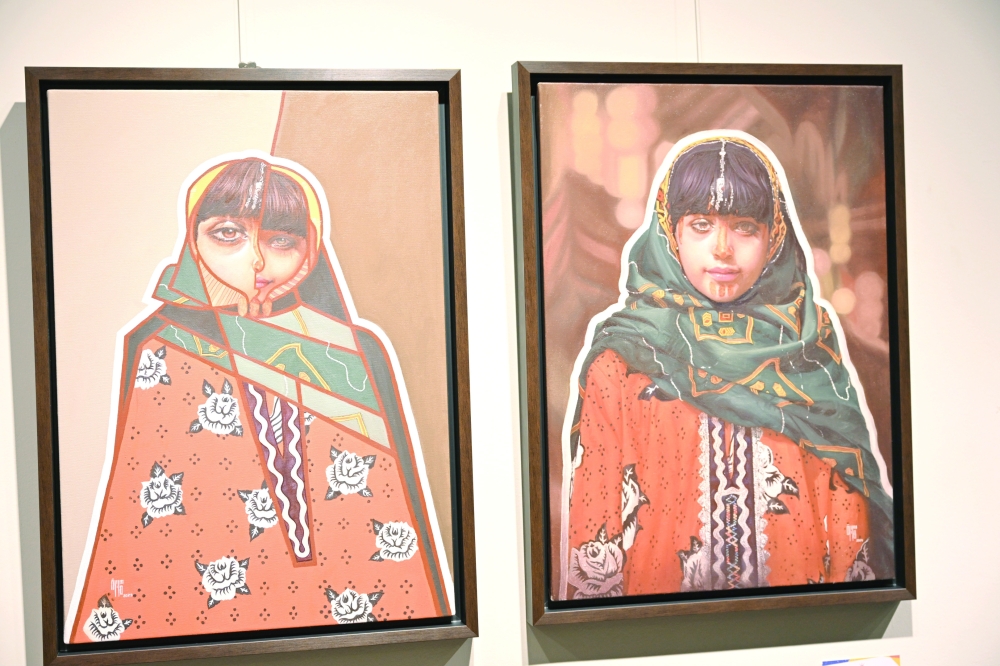
For Abdulwahab Saeed Mohammed al Shukairi, a fine arts teacher, participation was both personal and professional. He views the exhibition as the natural outcome of six months dedicated to understanding facial proportions and full anatomical structure. Each participant presented two oil paintings, one rooted in realism, the other reflecting a personal style. Abdulwahab chose to challenge himself by painting well-known artists, approaching the works as both a tribute and a test. He describes the experience as a significant leap in his artistic journey, enriched by exposure to diverse styles, from realism to expressive brushwork. As an educator, he sees continuous learning as essential, not only for his own growth but to better serve his students.
“Mahya” remains open to visitors until 20 January 2026, welcoming audiences in both morning and evening sessions. Beyond the walls of the gallery, the exhibition carries a wider ambition: that participants will carry their acquired knowledge forward, share it with peers, and continue building upon it. In every face on display lies evidence of patience, study, and the quiet power of understanding what lies beneath the surface
BLURB: The title “Mohya,” meaning visage or countenance, reflects the layered exploration of facial details, anatomy, and measurements reshaping the way to approach drawing.
Oman Observer is now on the WhatsApp channel. Click here