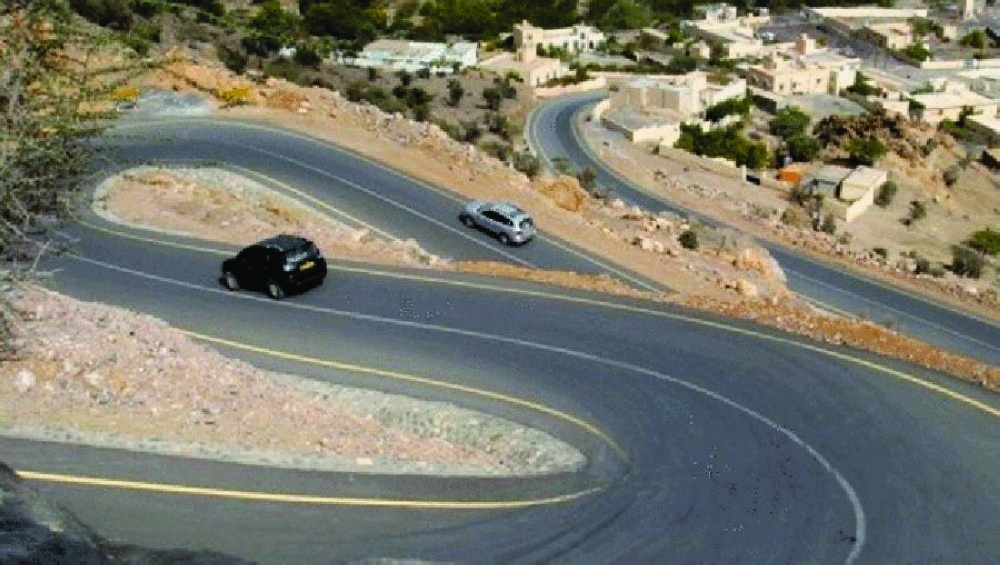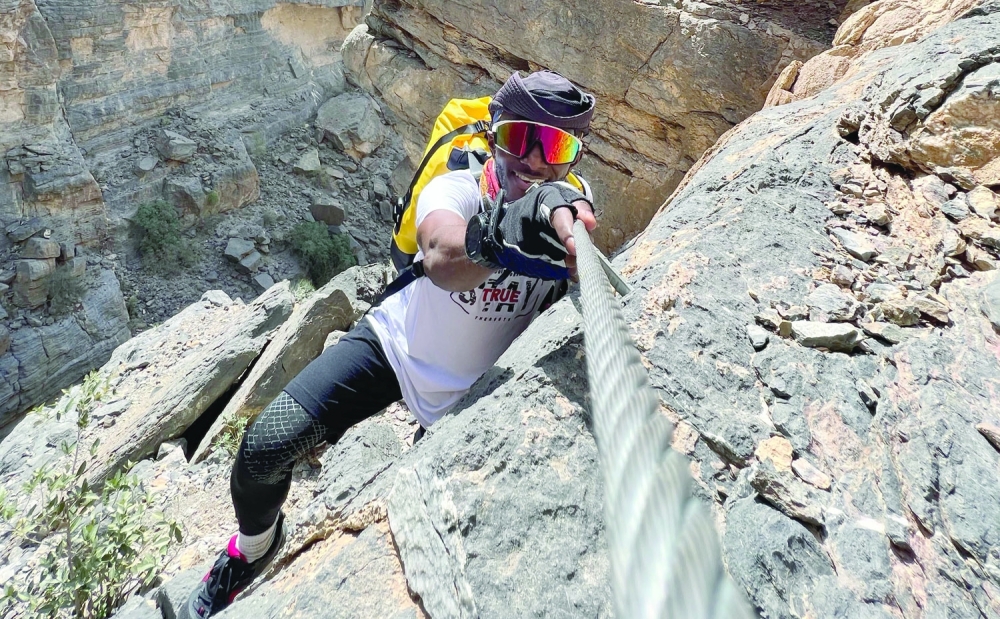





MUSCAT: The Royal Oman Police (ROP) and the Civil Defence and Ambulance Authority (CDAA) have urged hikers to prioritise safety while venturing out on hikes or treks.
The advice comes days after an Indian woman living in Muscat died in a trekking accident at Jabal Shams region. Sharada Iyer, 52, formerly the Manager of Loyalty with Oman Air, met a tragic end while mountaineering with friends.
Authorities said Iyer, originally from Thazhava in Kerala, was part of a group trekking along the marked paths of the rugged Wadi Ghul in the Jabal Shams area in Al Dakhiliyah Governorate when the accident occurred.
"One should give priority to safety by staying away from unstable cliffs, informing others of their plans, choosing trails suited to their fitness, carrying essential gear such as water, first-aid, navigation, and illumination, checking the weather, staying on marked paths, and avoiding selfies on dangerous ledges to prevent falls and injuries, and to use the service of a guide," the ROP statement said.
While trekking or hiking are high adrenaline-pumping sport activities, thanks to the Sultanate of Oman’s unique terrain that complements mountain sports, they can also be dangerous if not carried out properly and under the supervision of an expert, and any sport activity for that matter.
Trekking involves inherent risks related to the natural environment, physical demands and potential for unforeseen circumstances. The key to safety is being well-informed and prepared for potential hazards and to make it very safe with proper planning, preparation and caution.
These precautions start from understanding one’s physical endurance to knowing the route and remembering to stay hydrated very often to keeping proper communication networks open.
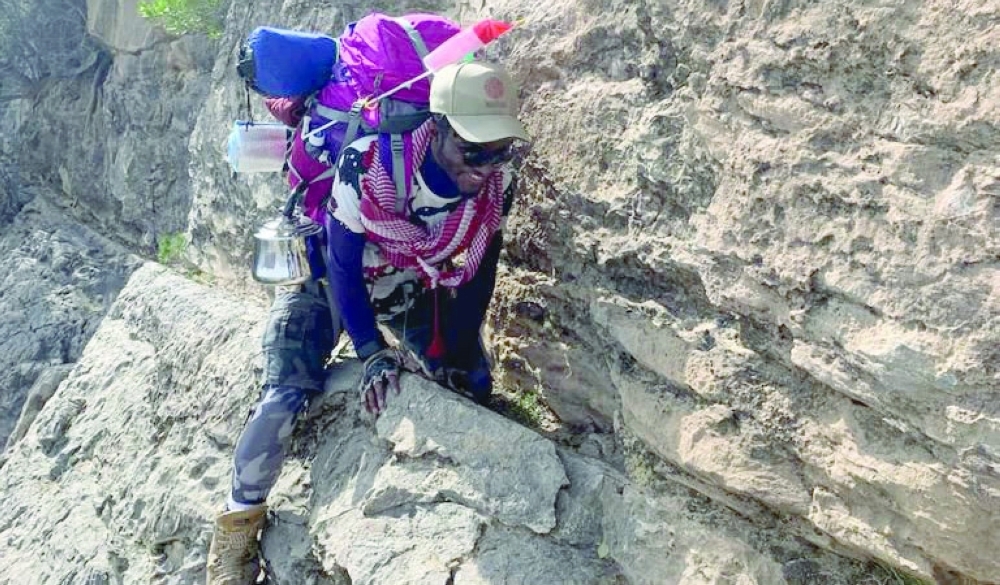
Mahmoud bin Juma al Qasimi, a passionate Omani hiker who has been on the heights since 2017, advocates that mountain hiking and running are somewhat dangerous, especially if you're not with a specialist who knows the area well, particularly in valleys where a life jacket is necessary.
“Through my mountain hiking, I've encountered many dangers, the most significant being dehydration due to insufficient water intake followed by the intense heat of the sun, descending steep slopes. These sports activities, which require strong physical fitness, continuous practice, and specific clothing, especially hiking boots and a backpack containing first aid supplies, food, and water.” He advises hikers to have a leader who knows the route and the area, as well as an experienced guide. Hiking at night is also dangerous due to the abundance of reptiles. Wireless communication devices should be available to the hike leader and their assistants.
Rahees Melekkandy, another enthusiast who knows the route map of most of the mountains, advises one to be honest about his/her fitness level and not to overestimate oneself.
“Before the trek, one should know the route, distance, weather, and difficulty level and keep someone informed about the plans and the expected return time. It is also important to wear comfortable trekking shoes, clothing, protection, and to keep sufficient water, energy snacks, a first-aid kit, and a fully charged phone.”
"Make sure one stays with the group and does not wander off alone away from the group. Also, shortcuts can be dangerous, and always follow marked trails and make sure to sip water to keep you hydrated even if you are not feeling thirsty. Be careful on slippery, rocky or steep paths, respect nature and don’t litter, harm plants or disturb animals," he added.
Oman Observer is now on the WhatsApp channel. Click here