Let's be honest, our thumbs deserve an exquisite recognition owing to the reel or short video scrolling we're all up to these days. In some corner of our brains, whispers a voice, just one more; only this one, you can't miss this one and there you are, successfully wasting your couple of hours.
Those countless food recipes you are never going to cook, that silly cat peeling a banana knowing it's artificially generated, or that random guy telling you how to cook one-minute pasta, though you cook pasta delectably well. But the fear of missing out won't let you escape the infinite scroll, the smartly engineered algorithm trap.
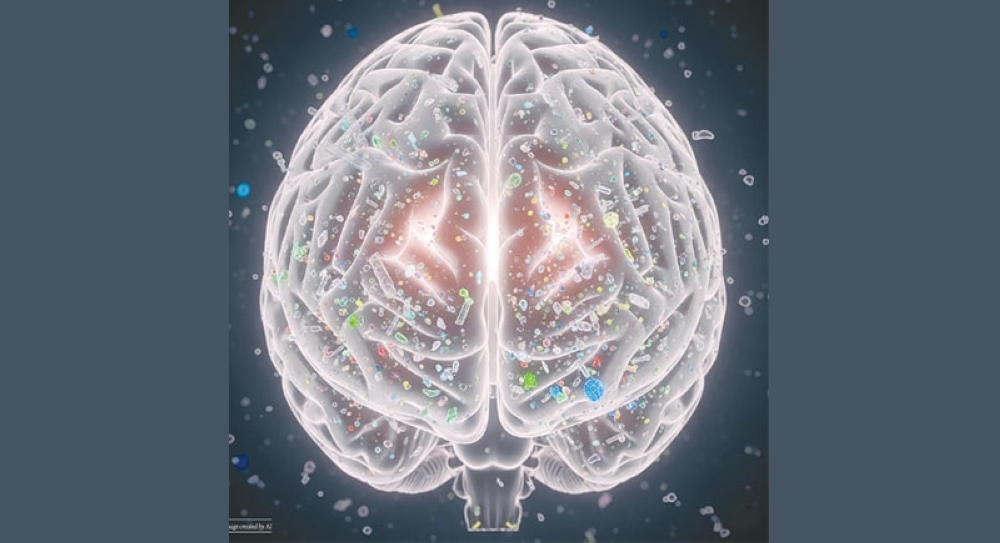
The science behind the infinite scrolling is simple: our brains love the rewards. The mesolimbic dopamine pathways let you repeat the same patterns because that provides a sense of pleasure and satisfaction to your brain. Albeit, other stuff like learning, achieving milestones in career, or even shopping, that too provides dopamine hits, but the trajectory is long and requires effort. On the other hand, scrolling is instant and effortless.
Not to mention, the constant notifications, message pops, shift your attention from the real world to a virtual life and that suddenly becomes more important to you. You become more interested in someone’s daily life vlog than in your own personal and professional connections. Constantly checking on the phone steals away the micro moments of connection with family and kids.
No wonder, in this digital world of ours, kids need our presence more than any previous generation. We are scrolling on the breakfast table, at bedtime and so do kids. Because we have let them escape into their virtual screen life and at this tender junction of brain development, they tend to feel annoyed, irritated and distracted. Screen ban is not the fix they need, but screen guidance.
Moreover, the deteriorating eye health of kids and adults is becoming a serious concern. Headaches, blurriness, itching, dryness and vision issues have become common complaints among kids. Since the eyes are glued to the scroll, we fail to blink as often as needed for normal eye health. The outcome comes to a saturation point when the eyes are literally begging to take them off the screen and look at something non-digital, like a tree or a pet.
But wait, before we demonise the scrolling, we need to declare that mindless scrolling is the real miscreant. We need to stop normalising that we can't be bored. We need to stop normalising. We need brain stimulation and excitement all the time. Today, adults can’t stop themselves from checking the weather in six cities while waiting in a queue. We need to introspect and revisit our subconscious.
Remember, your attention is your top asset and you cannot lend it out for free. Curate your feed, and your scroll wisely, segregate digital garbage from real, authentic info. Setting app timers can help. Follow and listen when your phone alarms, time is up. Practice boredom, sit, ponder and let your mind wander, so that creativity and problem-solving can revive. Give your eyes rest by setting the 30-30- 30 rule, that is, for every 30 minutes of screen watching, let your eyes focus on some object 30 feet away for 30 seconds.
That all being said, reels are here to stay; instead of becoming a trap to algorithms, reclaim your attention as it is the founding stone of your career, relationships and life goals. Unfortunately, it is the most overlooked health tool, though it is as pivotal as your sleep, steps and nutrition.
Dr Nisma Haris
The writer is a general physician, content creator
Oman Observer is now on the WhatsApp channel. Click here