




US President Donald Trump on Thursday brings the leaders of Rwanda and the Democratic Republic of Congo together to endorse a deal that Trump has hailed as his latest peace triumph despite ongoing violence on the ground.
Trump hopes the agreement will pave the way for the United States to gain access to critical minerals in the eastern DRC, a violence-torn region home to many of the key ingredients in modern technologies such as electric cars.
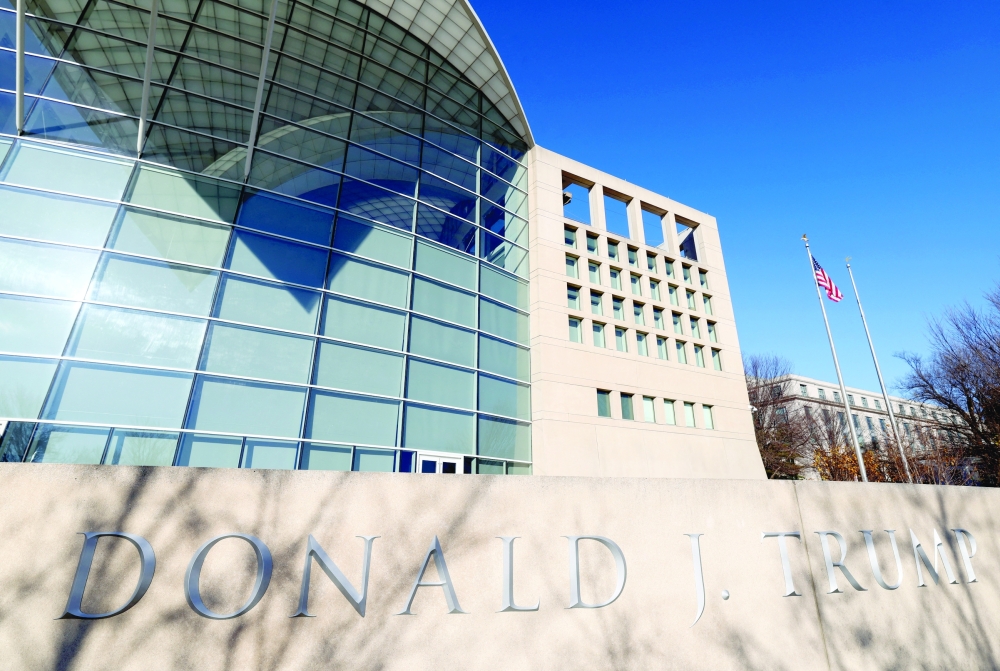
Paul Kagame, the longtime president of Rwanda — whose allies have taken a decisive edge on the ground against its turbulent neighbour — will meet Congolese President Felix Tshisekedi in the newly renamed Donald J Trump US Institute of Peace.
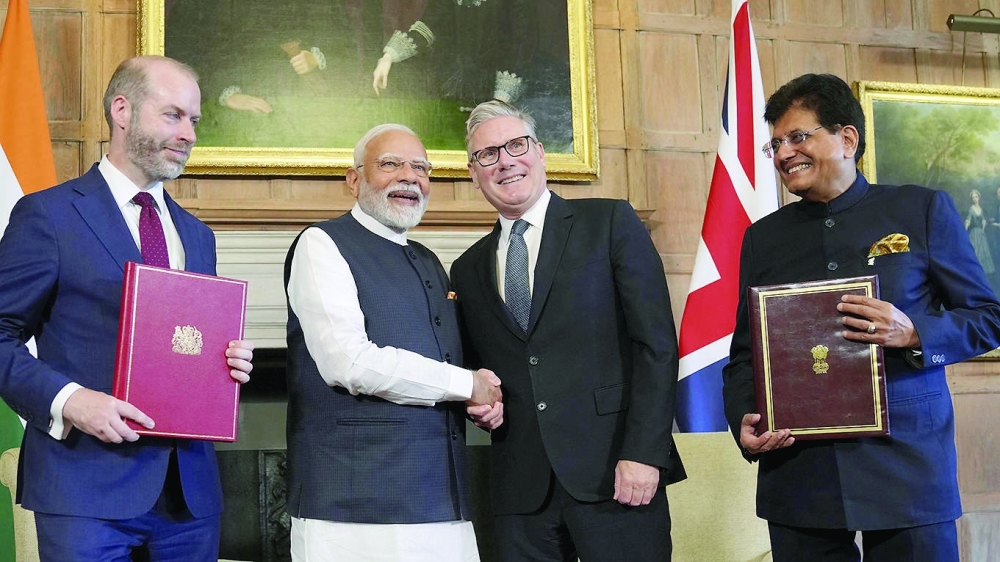
The White House said that the two leaders would sign a peace agreement, more than five months after the countries' foreign ministers also met Trump and announced another deal to end the conflict.
Analysts say US diplomacy has paused escalation of fighting in eastern Congo but has failed to resolve core issues. The M23 rebel group, supported by Rwanda, seized the two largest cities in eastern Congo earlier this year in a lightning advance that raised fears of a wider war.
Trump has been eager to burnish his diplomatic credentials. Since taking office in January, his administration has intervened in conflicts from the Middle East to Ukraine and beyond. Those efforts have generated mixed results, including a deal in Gaza and criticism that the president should focus on rising discontent domestically with his handling of cost-of-living issues.
Ahead of the meeting, the president's name was added to a sign outside the United States Institute of Peace, a government-founded nonprofit his administration tried to seize control of earlier this year. The deal is expected to be signed at the institute. The agreement, however, may not immediately change the humanitarian crisis on the ground.
In duelling statements, Congo's army and M23 rebels accused each other of violating existing ceasefire agreements that were renewed last month. At a news conference in Washington on Wednesday, Congolese official Patrick Muyaya blamed M23 for recent fighting and said it was "proof that Rwanda doesn’t want peace."
M23 is not expected to attend the Washington meeting. It is also not bound by the terms of any Congo-Rwanda agreement.
"The US, in particular, has been successful in at least putting a pin in the conflict so it doesn't continue to escalate," said Jason Stearns, a regional expert and associate professor at Canada’s Simon Fraser University. "All they've done, really, is put a pin in it, and the core issues have not been resolved. And it doesn't look like they're getting much closer to being resolved."
Rwanda denies backing M23. Kigali has said its own forces have acted in self-defence against ethnic Hutu militiamen linked to the 1994 Rwandan genocide. A group of United Nations experts said in a July report that Rwanda exercises command and control over the rebels. — Reuters
Oman Observer is now on the WhatsApp channel. Click here