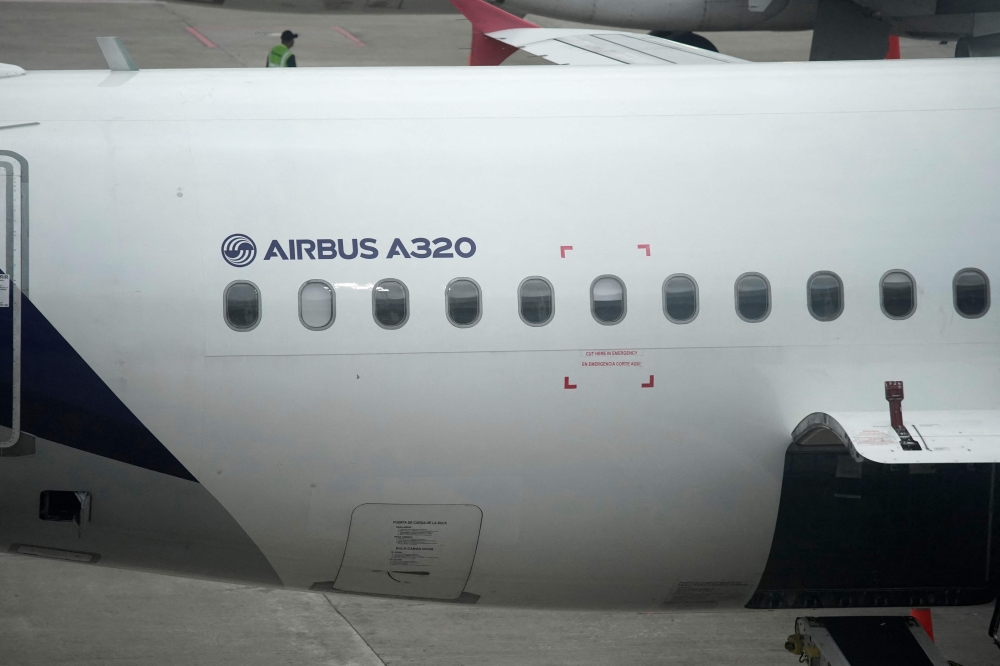





Out of a total number of around 6,000 A320 aircraft potentially impacted, the vast majority have now received the necessary modifications, Airbus said in a statement.
The airline added, "We are working with our airline customers to support the modification of less than 100 remaining aircraft to ensure they can be returned to service. Airbus apologises for any challenges and delays caused to passengers and airlines by this event."
Following the publication of an Alert Operators Transmission (AOT) on November 28 calling for immediate precautionary action on several in-service A320 Family aircraft, Airbus provided its latest update in a release.
At first, airlines struggled to gauge the impact since the blanket alert lacked the affected jets' serial numbers. A Finnair passenger said a flight was delayed on the tarmac for checks.
Over 24 hours, engineers zeroed in on individual jets.
Several airlines revised down estimates of the number of jets impacted and time needed for the work, which Airbus initially pegged at three hours per plane."It has come down a lot," an industry source said on Sunday, referring to the overall number of aircraft affected.
The fix involved reverting to an earlier version of the software that handles the nose angle. It involves uploading the previous version via a cable from a device called a data loader, which is carried into the cockpit to prevent cyberattacks.
Oman Observer is now on the WhatsApp channel. Click here