




Muscat, Nov 18
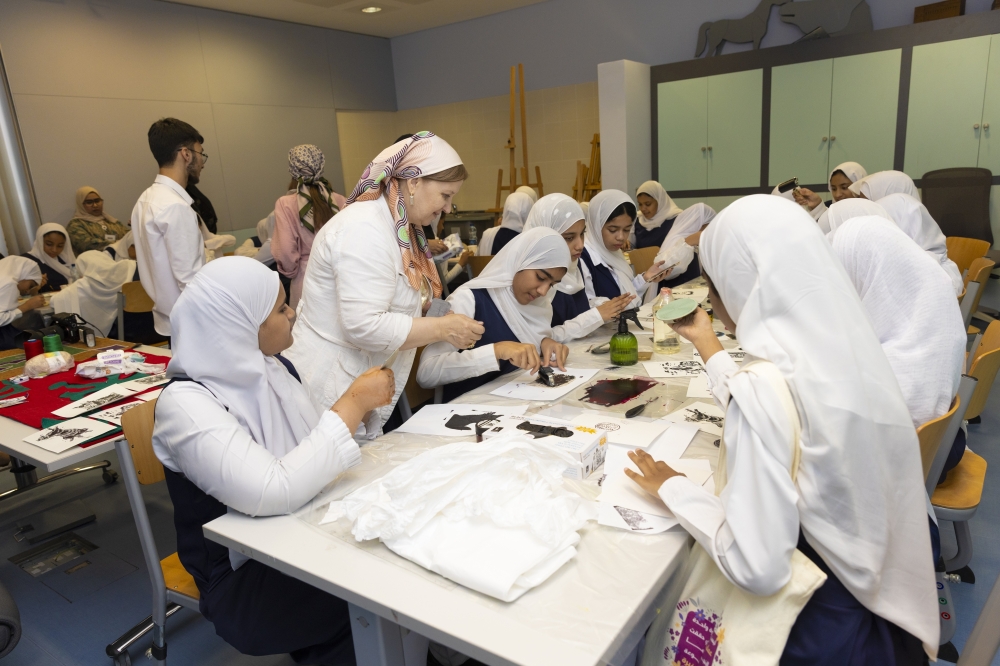
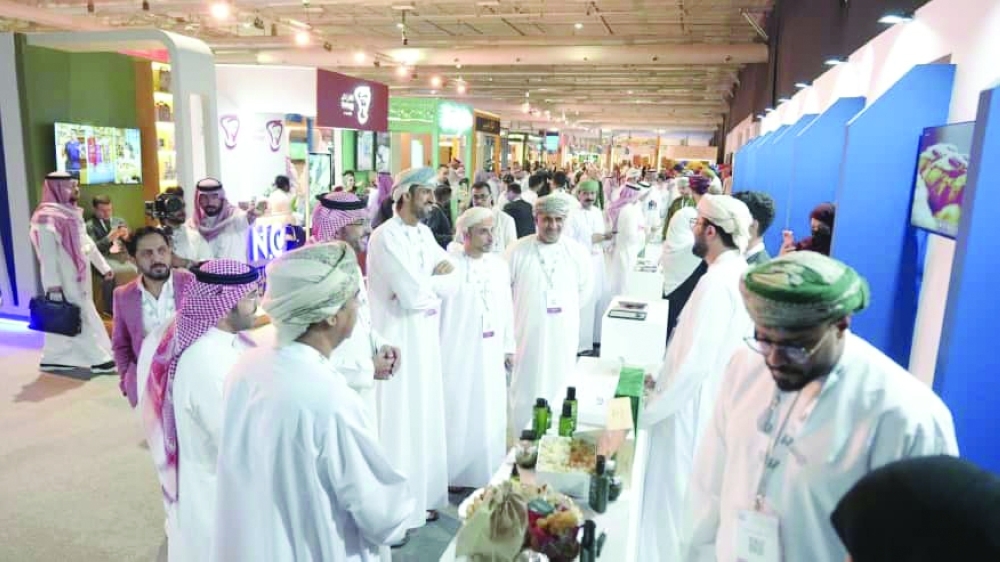
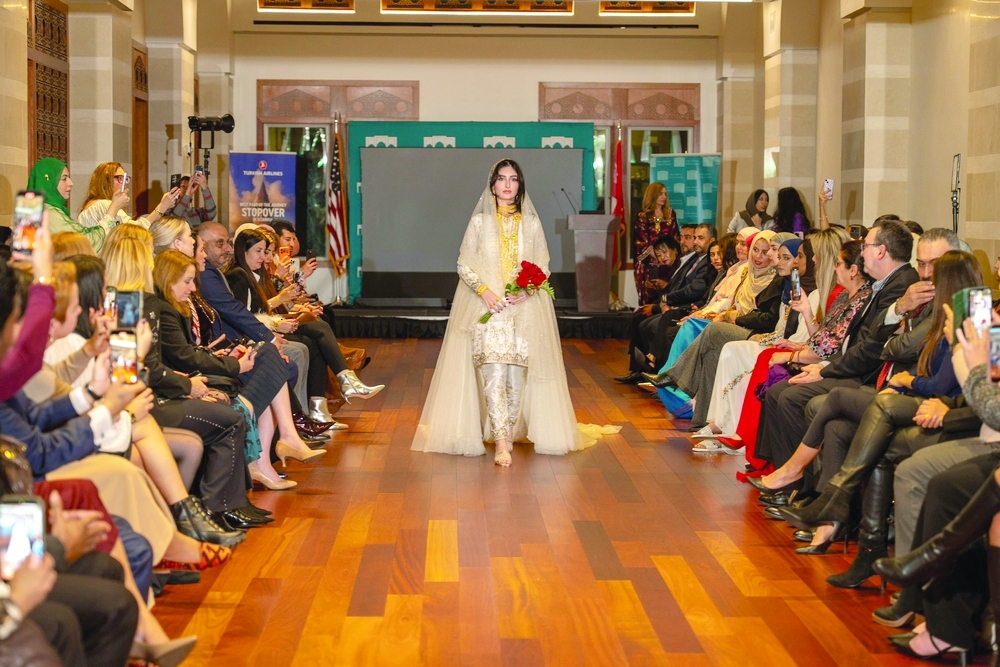
Over 50 journalists from 20 countries are attending the Ministry of Information's event titled 'Extended Civilisational Heritage Between Oman and the World.' The event aims to highlight the civilisational and historical depth of the Sultanate of Oman and focus on its established roles in supporting global trends and issues.
"We are showcasing Omanis' openness, contacts with the world, trade and cultural exchange. We are not following a global trend. This trait has been instilled in us for centuries, and we have learned it from our ancestors," said Shaikha al Mahrouqi, Acting Director-General of International Media, Ministry of Information.
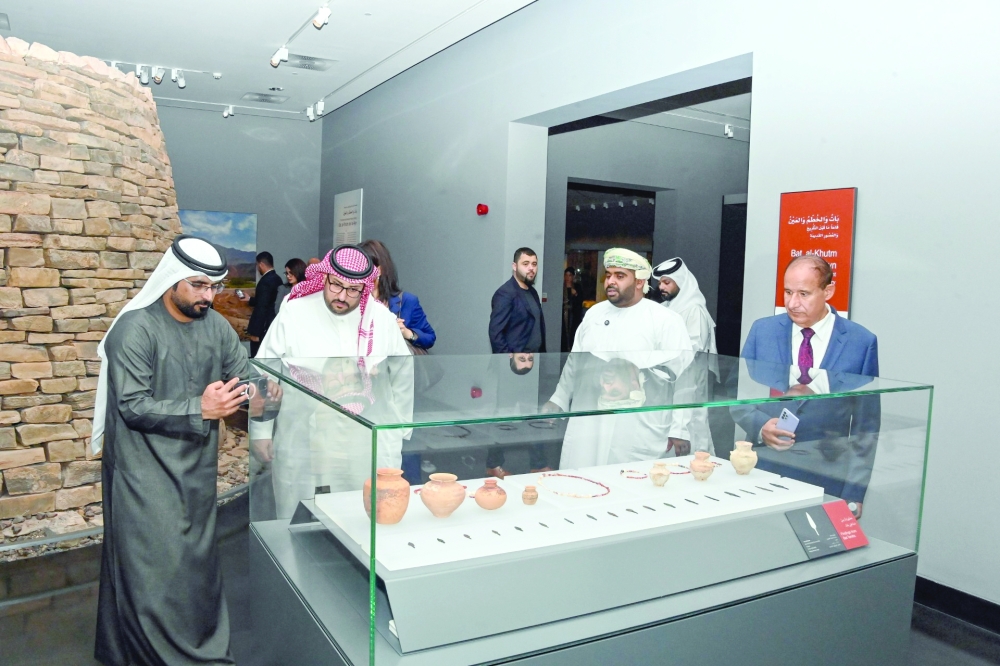
The first day of the five-day programme was held at the Oman National Museum with a panel discussion titled, 'Oman and the World: an enduring cultural legacy.'
The main topics of the panel discussion were historical diplomatic relations, maritime heritage and the logistics sector, openness to the world, cultural and commercial exchange, historical trade relations and the significance of Oman's unified promotional identity, investment in archaeological sites in the Sultanate of Oman and Zanzibar, and the shared heritage between Oman and the world.
Shaikh Ahmed bin Hashil al Maskari, Head of the GCC and Regional Neighbourhood Department, Foreign Ministry, explained that Oman’s foreign policy has always been built on dialogue and peaceful engagement rather than confrontation. He noted that this approach has sometimes placed Oman outside certain regional groupings, yet it has allowed Oman to keep a balanced and principled position.
"The roots of Omani diplomacy are deeply rooted in its cultural legacy," he said.
He stated that Oman’s commitment to dialogue has enabled it to “build bridges between different sides and play an effective mediating role in addressing regional issues.”
He added that the clear and consistent policy — rooted in Oman’s values and diplomatic heritage — has strengthened Oman’s reputation as a trusted and neutral mediator in times of regional challenge.
HH Sayyid Dr Faris bin Turki al Said, Chairman of Oman’s Unified Promotional Identity Office, highlighted the importance of citizenship, identity and cultural continuity in shaping Oman’s future.
He added that Oman possesses a “rich raw material” of heritage and identity, and the nation’s task now is to develop it in a modern and meaningful way. Young people want progress in technology and economic opportunities while still remaining authentically Omani.
He emphasised that traditions may evolve in form but not in essence. He stressed that Oman can adopt new methods and modern lifestyles without losing its core values.
Dr Amina al Balushi, adviser in the Research and Studies Department at the Ministry of Heritage and Tourism, highlighted the five cultural heritage identities recognised by the United Nations - Bahla Fort, representing tangible and intangible heritage, Bat historical tombs, and the land of frankincense, looking at the ecosystem of the frankincense and its production and export through ports and land routes. The other two sites that are in the list are the unique irrigation system of Oman, Aflaj, and Qalhat, the site that used to export horses. This was a city that was visited by Ibn Battuta and Marco Polo.
Saif bin Hamad al Mahrouqi, Director of Investments in Capital Markets, Oman Financial Authority, focused on the strategic partnerships between the authority and other investors.
"The investment fund is an example of economic diplomacy," said Al Mahrouqi.
Dr Ibrahim bin Bakhit al Nudhairi, CEO of ASYAD Shipping, said Oman was known as the coast of the sea, and there are Chinese manuscripts and Portuguese notes that talk about Omanis as seafarers. He explained, "Said bin Sultan built the Omani Empire further, and he had a fleet of 70 ships. He connected East Africa to India and the Gulf countries. He was known as the Sultan of the Sea because he used to travel back and forth. During the Renaissance, under the guidance of the late His Majesty Sultan Qaboos, Port Sultan Qaboos advanced further and saw the launch of Salalah Port as well as Duqm, with its strategic location. ASYAD today uses a fleet of over 50 ships."
Khaldoun Azhari, Head of Japan's Pan-Orient News, said that Oman has prominent civilisational achievements, stressing that Oman existed before the establishment of many countries in the region, and was one of the first countries in the Arab region and the Arabian Peninsula to contribute to the dissemination of knowledge and culture. Oman expanded the bridges of civilisation to reach Africa, adding great human and civilisational value.
Oman Observer is now on the WhatsApp channel. Click here