When the world went into lockdown, life in Oman didn’t stop, it simply took a new route. What once required a counter visit could now be done with a few taps online, from signatures on paper to digital approvals, and from office desks to home computers.
The pandemic didn’t silence activity; it redirected it. Behind closed doors, a new kind of motion began, one that changed how people worked, learned and connected. Across government offices and private businesses, Oman witnessed a remarkable rise in digital creativity. Two stories, one from the Ministry of Education and another from a young entrepreneur that show how necessity became the mother of change, leading to new ways of working that are now part of daily life.
For the Ministry of Education, the lockdown was not just a health challenge but a test of how to keep work moving.
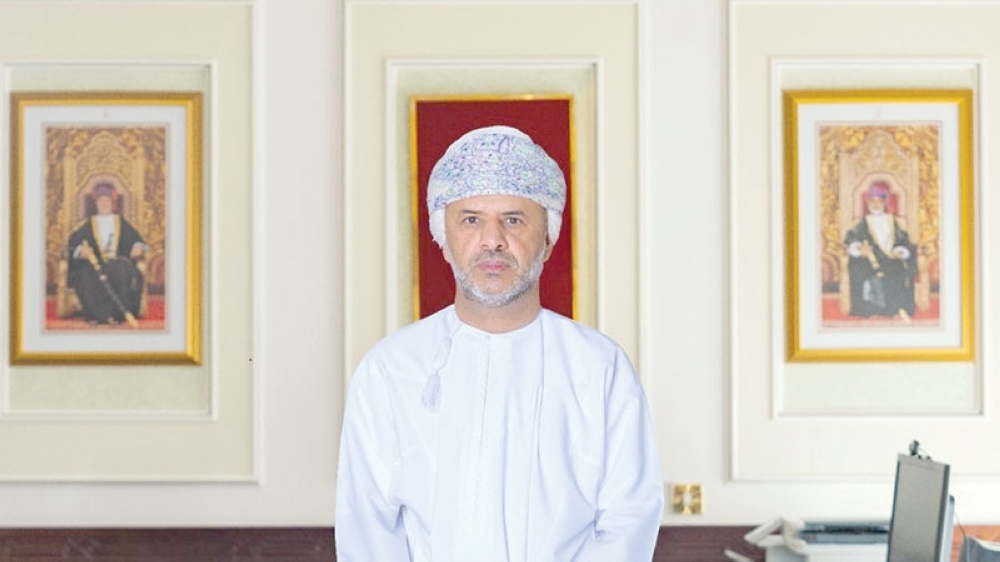
Construction and maintenance projects across Oman suddenly faced standstills. Yet, as Mazin bin Khalid al Battashi, Project Engineer at the Directorate-General of Projects and Services, recalls, the crisis pushed innovation forward.
“With movement restricted and site visits nearly impossible, we had to rethink our entire supervision model,” he said.
The team turned to virtual tools like Microsoft Teams and Zoom, creating a remote collaboration system that allowed real-time communication between the central office and site teams in different governorates.
A project management platform called ClickUp became their digital control room, where engineers could approve materials, assign tasks, and monitor progress with photos and 360-degree videos. “Digital transformation was not a luxury, it was a necessity,” he said.
Cameras were distributed to capture panoramic site footage, allowing supervisors to “visit” locations virtually and provide instant feedback. According to Mazin, what began as an emergency solution has now become a permanent practice.
“Technology can truly bridge the gap between field and office,” he said, noting that digital documentation brought new levels of accuracy and accountability. Today, the ministry continues to expand these tools toward a fully integrated Project Management Information System, with artificial intelligence and Building Information Modeling to link every stage of a project. The experience turned a crisis into a lasting culture of innovation.
The same shift was unfolding beyond government offices, in homes and small businesses across Oman. For Coach Shahad, a trading mentor and educator, the lockdown was the moment everything changed. “Before 2020, everything was manual,” she recalled. “Workshops, payments, and communication were all face-to-face. It was slow, but it built trust.” When the pandemic hit, her in-person sessions stopped overnight but instead of waiting, she decided to evolve. “I told myself, if doors close, we’ll open new windows,” she said. Her first step was launching WhatsApp Business and setting up automated replies to manage the surge of messages. She created a catalogue of online courses and began posting daily educational content like simple morning analyses, short video lessons, and glimpses into her real life as a trader. “I wanted to balance value with humanity in every post,” she said. The results came quickly within days of releasing a new course, more than 300 people had signed up. To handle the demand, she built a small digital team, organised schedules and streamlined her process. “The pressure was huge, but it taught me how to build structure,” she added.
Her next goal is to launch an official learning platform named “Thara’ Al Mustaqbal,” combining all her courses in one place. Her message to young entrepreneurs carries the same resilience that shaped her journey: “Don’t start a business to prove you’re successful; start because you want to make an impact. The market doesn’t reward the fastest instead it rewards those who stay consistent.”
Oman’s digital transformation, born out of crisis, now stands as a lasting mindset, one that values creativity, connection and adaptability. From offices to online platforms, the pandemic showed that progress doesn’t stop when the world slows down, it simply finds new paths. As Al Battashi reminds us, “Digital transformation is not about replacing people with technology, it’s about empowering people through technology.” His words capture the spirit of a nation that turned challenge into opportunity, building a future where innovation is not an exception, but a way of life.
Oman Observer is now on the WhatsApp channel. Click here