




Muscat, Nov 5
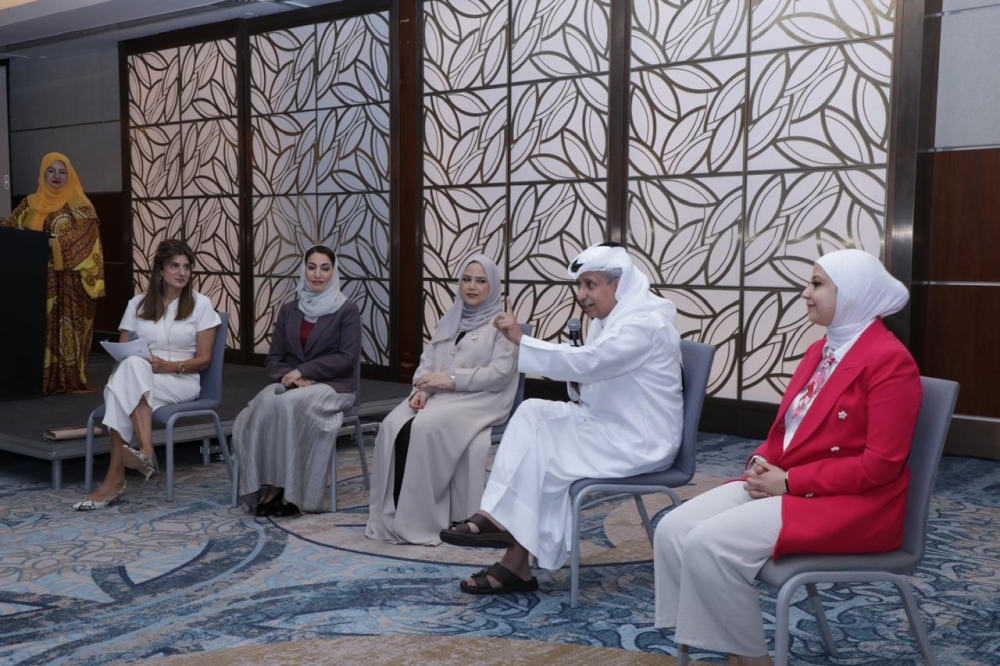
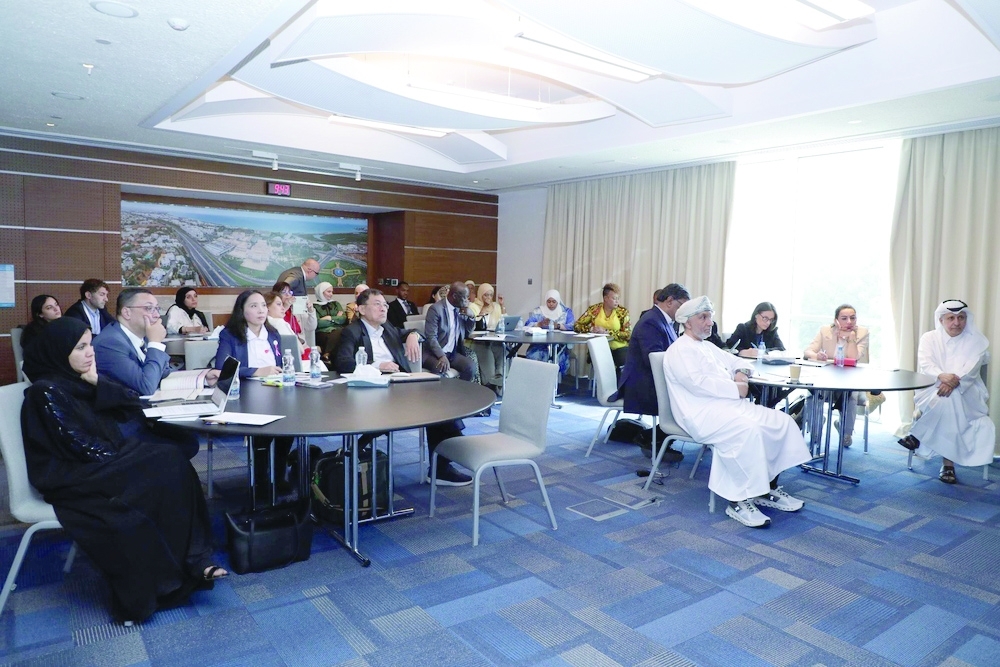
The World Cancer Congress Summit and Exhibition, organised by the Oman Cancer Association in collaboration with the Qatar Cancer Society and in cooperation with the Ministry of Health and the Ministry of Social Development, has scientific discussions, and scientific sessions have been exploring lifestyle to technology in cancer care. The World Cancer Congress Summit and Exhibition in Oman has brought in 1,100 registered participants from over 43 nations.
Her Highness Sayyidah Dr Mona bint Fahd al Said, Assistant Vice-Chancellor for International Cooperation at SQU, Patron of the Oman Cancer Association, said what impressed her the most was the personal stories. "I hope what comes out of this congress is helpful for everyone. Very important scientific discussions are being held here that can be beneficial for NGOs and the public and the private sectors. This also proves to us how different entities work together in making a humane event such a success. We are all learning." Dr Naifa al Busaidy, an oncology endocrinologist practicing in the US, explained in her presentation the 2025 updates on thyroid cancer from the American Thyroid Association. "My message is that we should all continue to collaborate, and there is plenty of work to be done, and I am confident that in the near future we will find a cure, thyroid cancer will be preventable, and those who might get it would be treatable and curable. This congress is so important because we can create a worldwide collaboration to improve cancer care for the patients, so it is not just the cancer treatment but also the social resources, the anxiety, and the fact that you are treating the whole human being," explained Dr Naifa.
Three scientific sessions were held simultaneously with themes ranging from breast cancer, miscellaneous cancers that looked into skin cancer and oral cancer, the introduction of the HPV vaccine in Oman, paediatric neuro-oncology and tumours, emerging therapies in low-grade glioma, etc.
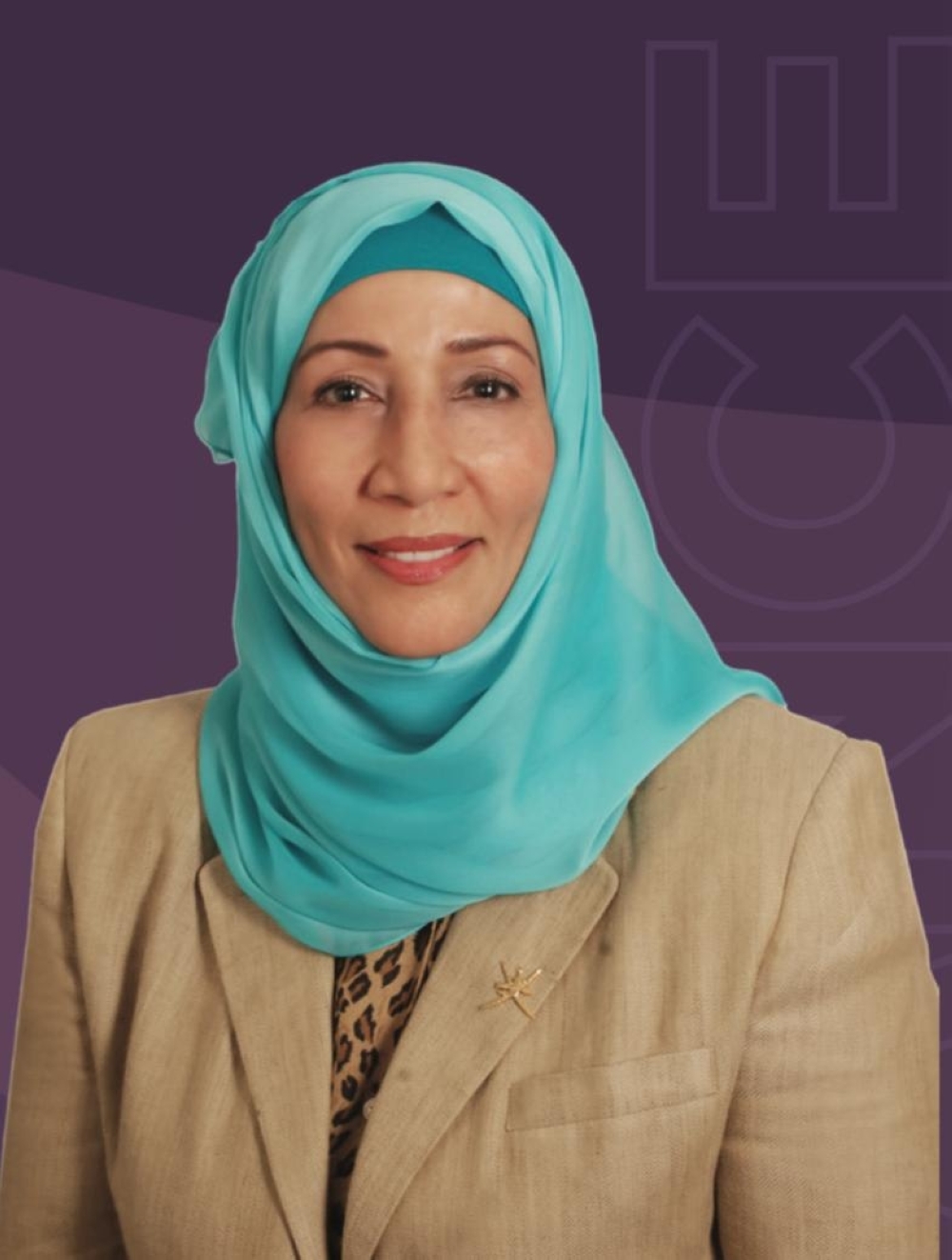
"What we want to do is raise awareness, and people should be collaborating together. We have a lot of scientists and researchers in addition to healthcare providers and NGOs present here today. We want the students to learn from us and shape the future," explained Dr Manal al Zadjali, Secretary-General of the Oman Cancer Association.
The sessions also looked into new technology that is currently available for cancer treatment, such as cyberknife, transforming radiation oncology, preoperative boost radiotherapy for early breast cancer, radiotherapy for rectal cancer, the impact of modern proton therapy in improving survival and survivorship in challenging cancer sites, robotic surgery in uro-oncology, etc.
The scientific programme also had the theme of non-governmental organisation partnerships, NGOs' role in public awareness and their role in cancer prevention. The presentations looked into policy approaches to cancer prevention, such as taxes, regulations, and other policies for reduction; intervention for occupational carcinogens; the role of education in schools and higher institutions in cancer prevention; and building cancer-resilient cities, looking at urban planning for healthier lifestyles and environments.
On the third day of the scientific discussions, experts presented papers on colon cancer, immunotherapy, current trends in gastric cancer surgery, genetic cancer testing in Oman, challenges and management of aggressive thyroid cancer, and oncology meeting preservation. The other theme was nursing management, looking into the role of culture in cancer care, mental health concerns in cancer care, symptom management in palliative care, among others.
Oman Observer is now on the WhatsApp channel. Click here