




MOHAMED AL BATTASHI
MUSCAT, NOV 4
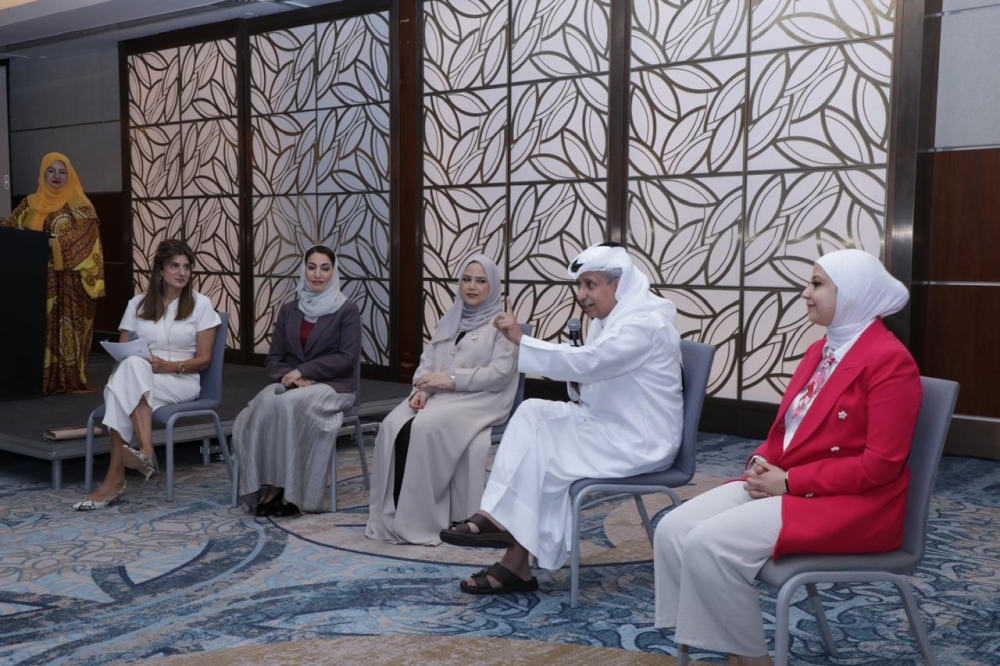
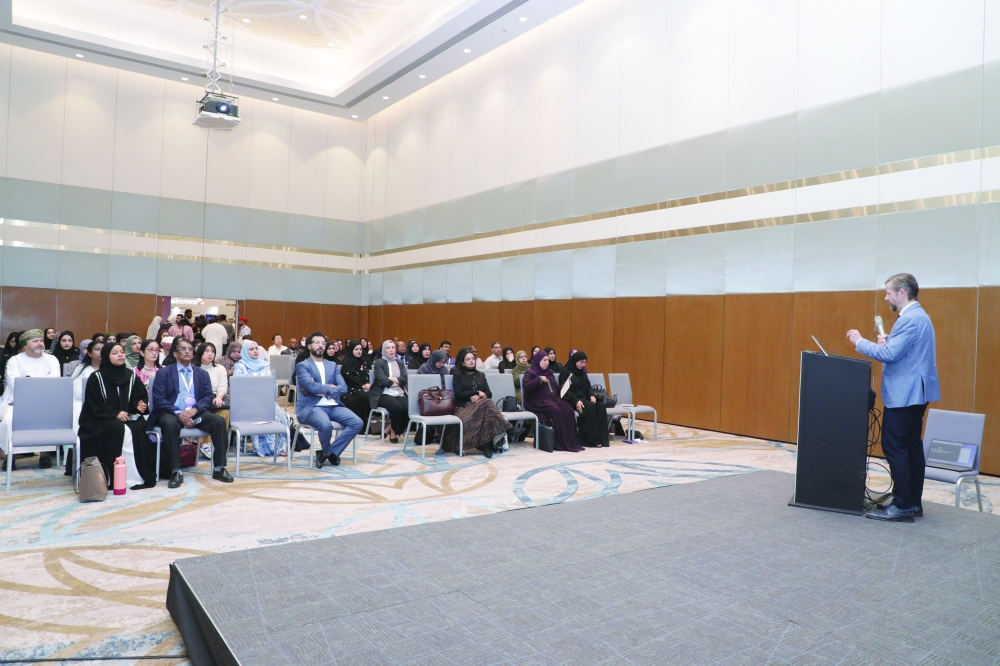
The World Cancer Congress, organised by the Oman Cancer Association (OCA) in collaboration with the Ministry of Health, continued for the second day, offering the participants a rich blend of science, innovation and community engagement through three sessions.
Dr Taha bin Mohsen al Lawati, Senior Consultant General Surgeon at Muscat Private Hospital, presented findings on the role of sentinel lymph node biopsy in post-neoadjuvant chemotherapy. He explained that nearly two-thirds of patients with lymph-node involvement were cured without requiring dissection, improving outcomes and quality of life.
“Breast cancer surgery today preserves femininity while effectively removing the tumour,” he said, urging women to seek early consultation and care. He added that working together with Italian colleagues on breast reconstruction after silicone implants led to “excellent results that restore confidence as well as recovery,” showing how international teamwork can improve patient care.
Dr Zahid bin Abdullah al Mandhari, Senior Consultant Radiation Oncologist at the Sultan Qaboos Comprehensive Cancer Care and Research Centre (SQCCCRC) and board member of OCA, discussed a clinical study titled “Pre-operative Boost Radiotherapy for Early Breast Cancer (Pre-BREC)”.
He explained that the new method could improve treatment control, give better cosmetic results and make surgery easier for patients. He also emphasised the importance of technologies such as the CyberKnife and the upcoming MR-Linac system that enable precise tumour targeting and fewer side effects. “Collaboration makes research more powerful and results are more meaningful for patients,” he noted, adding that the centre is inviting other institutions to join the study to build a stronger regional research network.
Dr Annie S Anderson, Professor of Public Health Nutrition at the University of Dundee in Scotland, spoke on “Lifestyle and Cancer: Shaping Outcomes through Behaviour Change with Non-Governmental Organisations (NGOs)”.
She stressed that effective prevention depends on shared responsibility: "We cannot only look to our governments to fund and sponsorship programmes. We need to work in partnerships in an equitable way so that everybody can benefit.”
She said that NGOs have a special role in turning scientific findings into real community action, and that working with universities helps ensure reliable guidance for changing health habits. “It’s inspiring to learn from cultural perspectives here in Oman and the Gulf region — how communities can address lifestyle risk factors and develop local routes for awareness,” she added. As the sessions concluded, participants agreed that collaboration across science, technology and community action remains the strongest path towards a future with reduced cancer burden.
Oman Observer is now on the WhatsApp channel. Click here