




Fighting in the Gaza Strip has come to a halt, and while much remains to be negotiated before anything resembling peace touches the Palestinian enclave, a new ceasefire has raised hopes that a flood of aid will at least help end the widespread starvation there.
It won’t be easy.
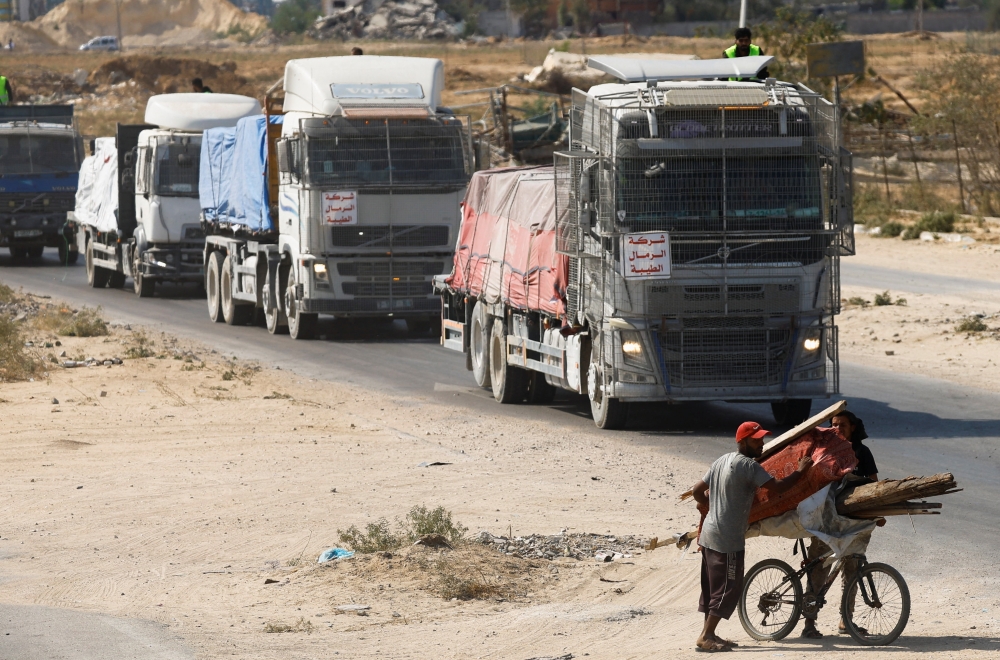
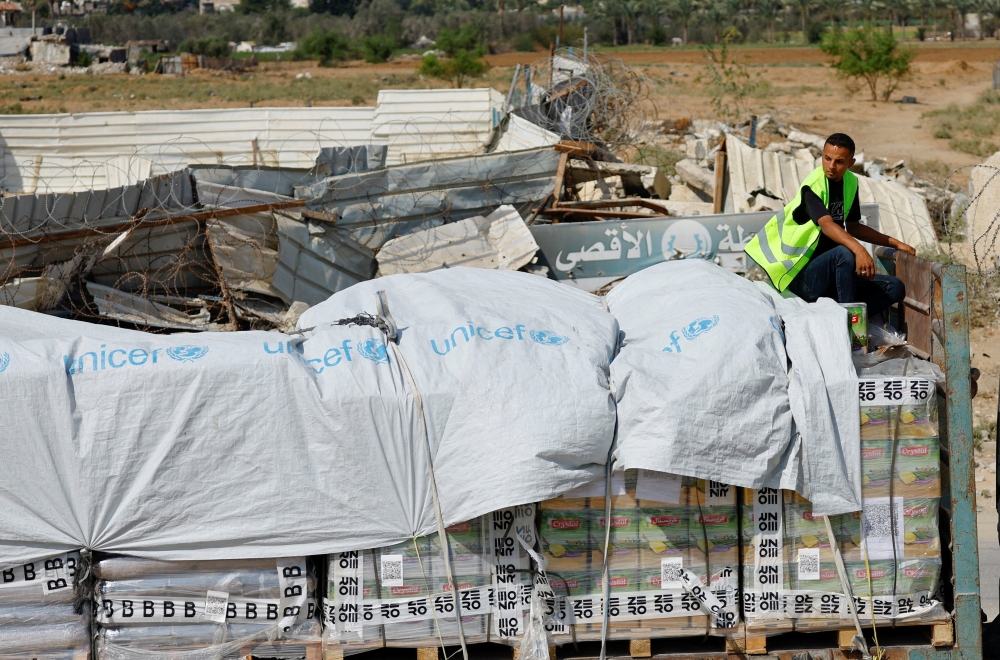
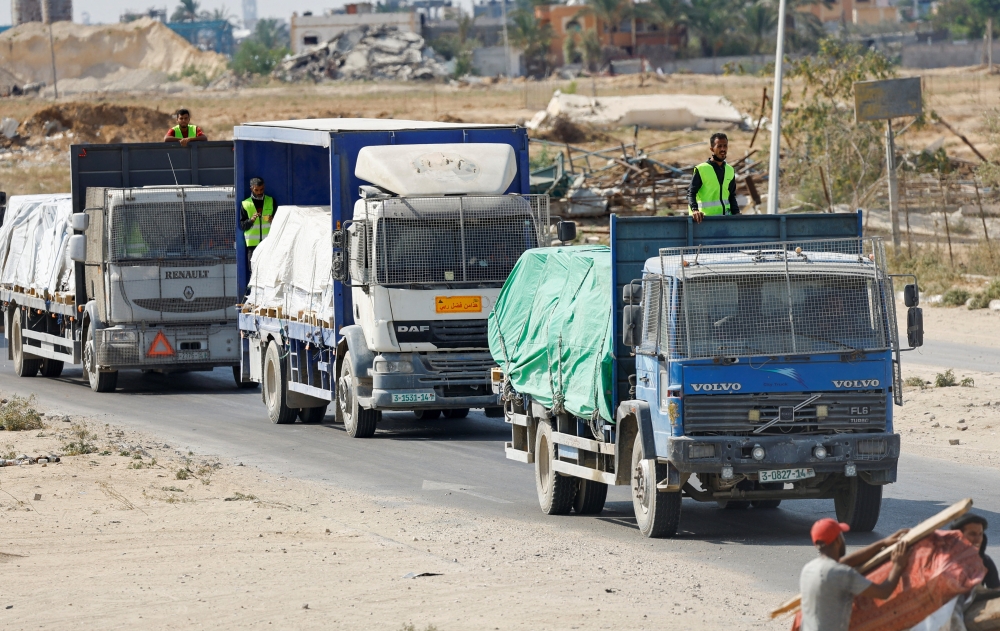
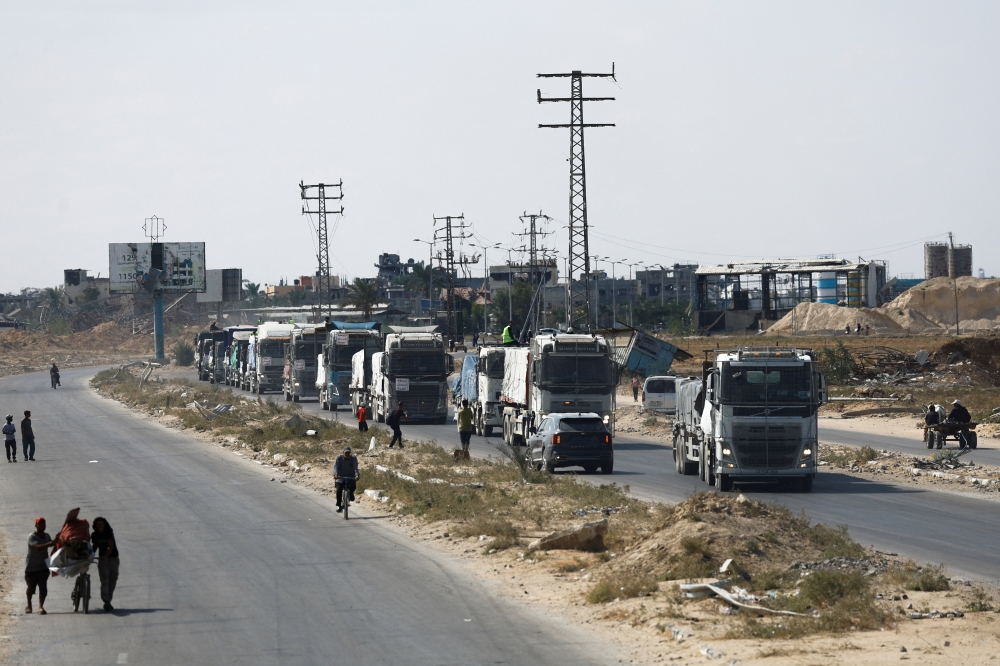
On Sunday, two days after the deal between the Israelis and Hamas took effect, a 10-truck aid convoy set out into Gaza through the Kerem Shalom crossing from Israel. It carried flour, rice, lentils, beans, yeast, salt, and other vitally needed supplies.
What followed was a scene virtually identical to those that occurred repeatedly throughout the fighting, when Israel often prevented basic supplies from entering Gaza after Hamas attacked from there in 2023.
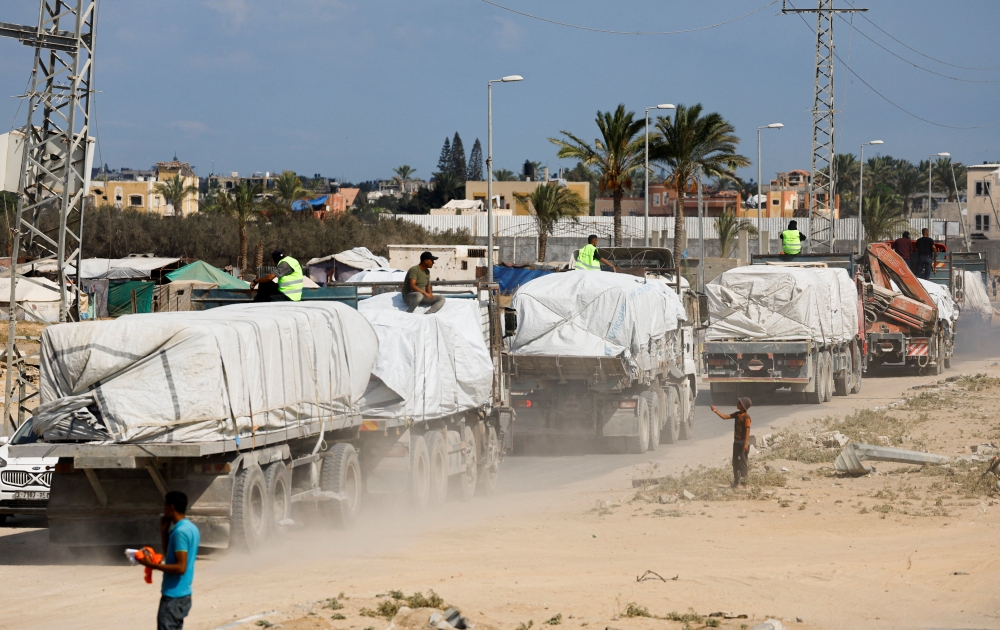
When Palestinians got wind of the shipment’s making its way that Sunday through the Morag Corridor, which connects the Gaza cities of Khan Younis and Rafah, to deliver its cargo to warehouses, they came by the hundreds.
The strongest among them climbed the trucks, even as they kept moving, their horns blaring in ineffectual protest. Restraining straps were cut — some of the men had knives at the ready for this purpose as they raced toward the trucks — and soon boxes were flying through the air.
On Monday, the United Nations’ World Food Program said that deliveries to Gaza were expanding. Since the fighting paused, it said, the program has sent more than 280 trucks into Gaza, with most safely reaching their destinations.
But that Sunday in the Morag Corridor, it took only about 20 minutes for each truck to be stripped bare.
Some were heard lamenting the waste as bags split open, spilling precious flour and rice onto the ground. Some people, among them older women in no condition to scale the trucks, got to work gathering what fell and putting it into bags.
This article originally appeared in The New York Times.
Oman Observer is now on the WhatsApp channel. Click here