




MUSCAT, SEPT 27
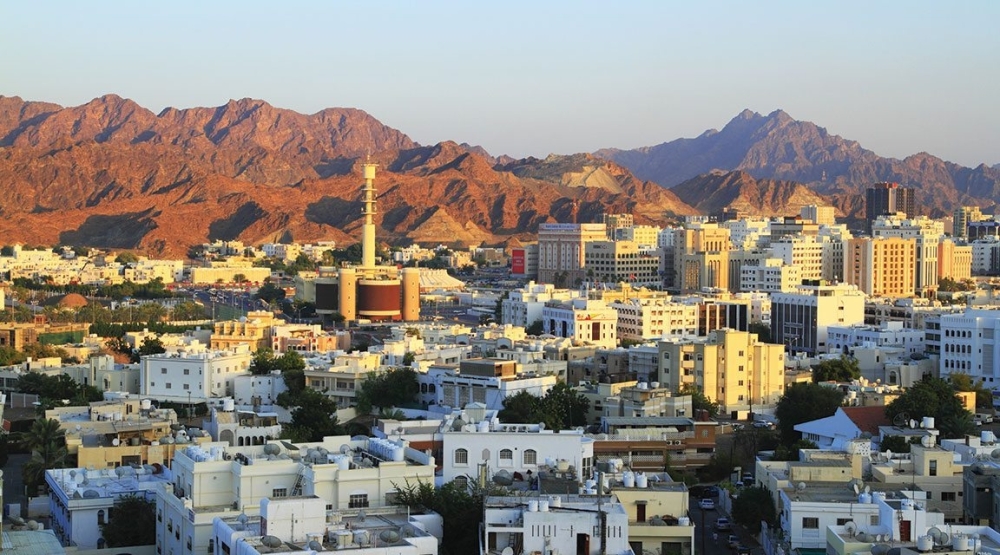
Global credit rating agency S&P Global Ratings has affirmed its ‘BBB-’ long-term and ‘A-3’ short-term foreign and local currency sovereign credit ratings on the Sultanate of Oman, with a stable outlook. The transfer and convertibility assessment remains at ‘BBB’.
The affirmation reflects S&P’s confidence in Oman’s commitment to fiscal prudence and ongoing structural reforms, even amidst expectations of lower oil prices in the coming years.
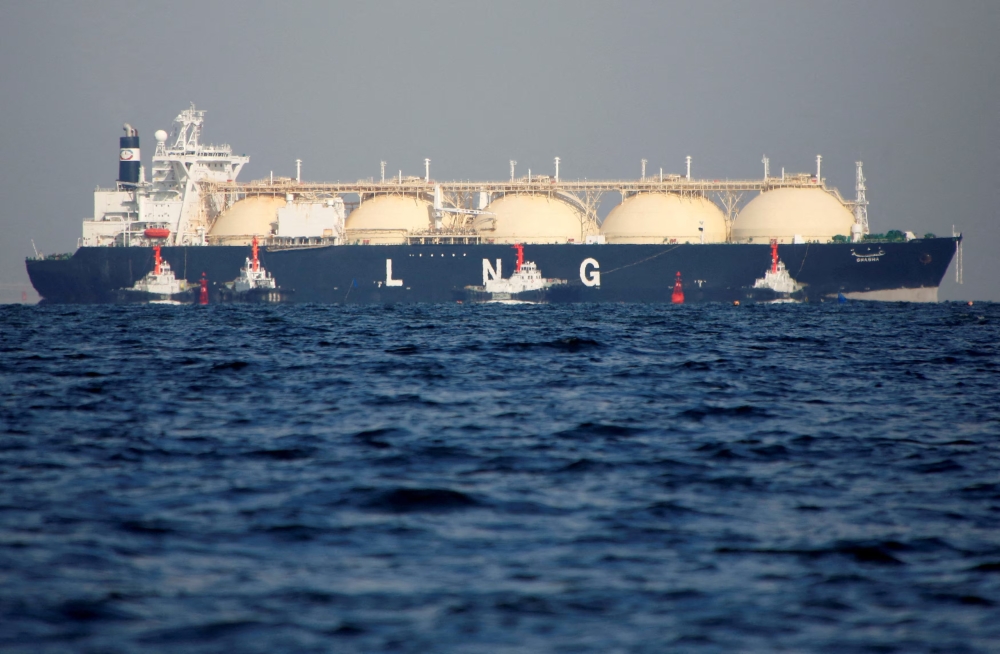
“We expect the Omani government will remain committed to financial discipline throughout a potentially extended period of lower oil prices”, S&P said, adding that while economic diversification is advancing, hydrocarbons still represent the mainstay of fiscal and export revenues.
According to S&P’s latest projections, Oman is forecast to post a modest fiscal deficit of 0.5% of GDP in 2025, before achieving broadly balanced budgets over 2026–2028. The rating agency also expects the Sultanate of Oman to maintain a net general government asset position of about 8% over 2025–2028.
S&P’s stable outlook balances the benefits of Oman’s fiscal and economic reforms against its structural exposure to fluctuations in oil prices. The agency’s baseline scenario assumes Brent crude prices averaging $60 per barrel in 2025, rising to $65 per barrel between 2026 and 2028, compared with an average of $84 per barrel over 2021–2024.
Oman’s efforts to reduce reliance on oil are beginning to bear fruit. Initiatives include the reorganisation of government-related entities (GREs), asset sales aimed at stimulating the private sector and the introduction of the region’s first personal income tax (PIT). Although PIT revenues are expected to be minor initially, they mark an important step in diversifying revenue streams.
“Measures that reduce the impact of oil price volatility — such as fiscal reforms, expenditure controls and private sector development — are steadily strengthening Oman’s economic resilience”, S&P noted.
If oil prices fall significantly, S&P expects the government could offset fiscal pressures through measures such as curtailing capital spending (currently about 1.7% of GDP) and adjusting non-obligatory transfers to savings funds.
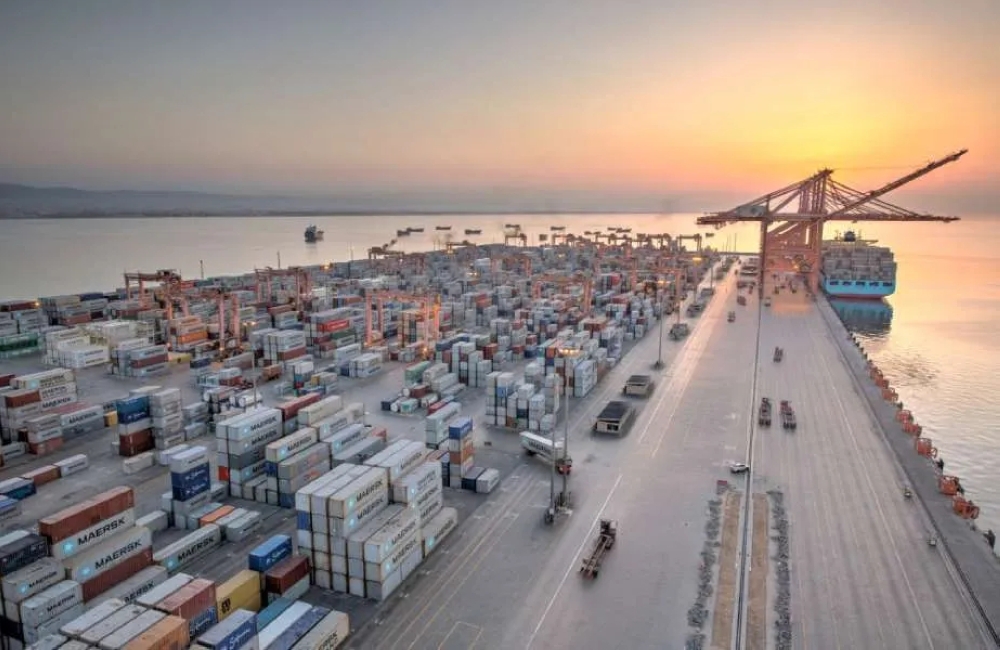
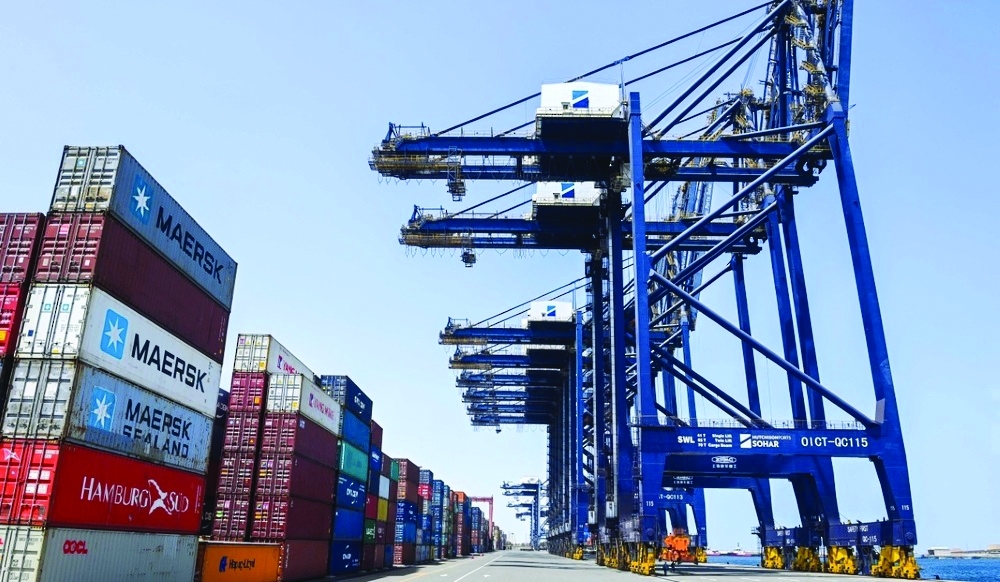
On the growth front, S&P forecasts average GDP growth of 2% annually between 2025 and 2028, supported by both hydrocarbon and nonhydrocarbon sectors. Non-oil activities — including construction, manufacturing and services — are now estimated to comprise around 73% of GDP, underscoring the gradual shift towards a more diversified economy.
Oil production is projected to rise to 1.2 million barrels per day by 2028, but weaker prices are expected to narrow current account receipts, resulting in average current account deficits of 1.9% of GDP over the forecast period. S&P anticipates these deficits will be largely financed by foreign direct investment, which has averaged about 10% of GDP in recent years.
The agency also recognised Oman’s strides in fiscal transparency and governance, citing the publication of quarterly GDP and fiscal data; and participation in the IMF Article IV review process.
With nonhydrocarbon growth expected at 2.9% annually, driven by investment in manufacturing and tourism, S&P concluded that Oman’s medium-term outlook remains stable and anchored by reform momentum.
Oman Observer is now on the WhatsApp channel. Click here