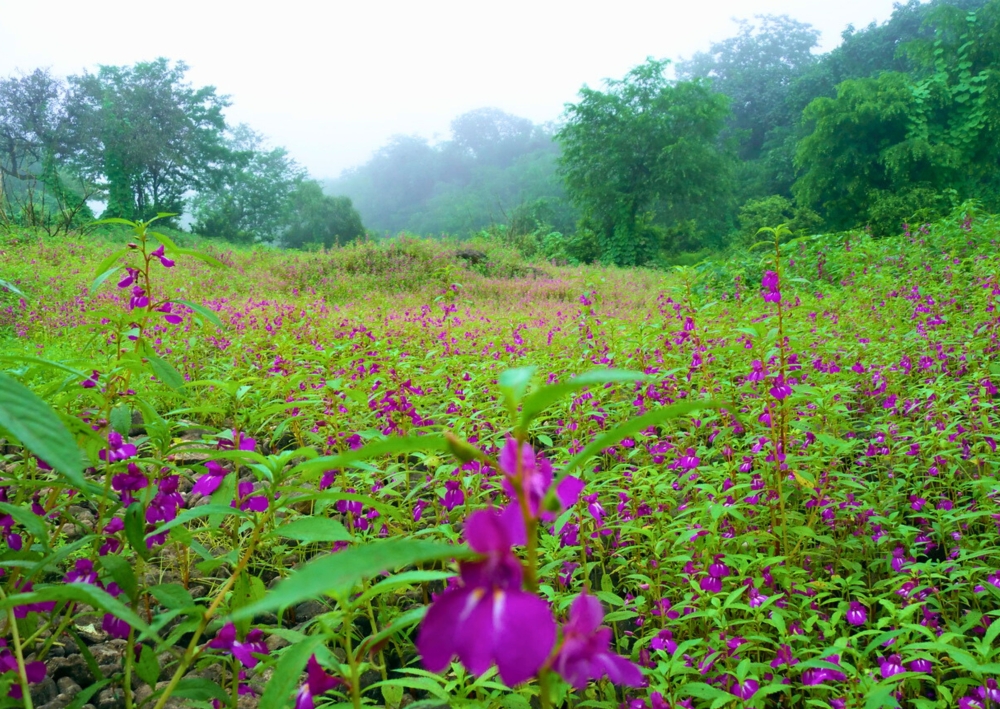





Salalah: When the mist of the Khareef season clears, Dhofar quietly transforms. The hills, wadis, and coastal slopes take on a gentler glow as Sarb—the region’s own version of spring—ushers in new life. Unlike the busy monsoon months that draw thousands of visitors, this is a calmer time when nature speaks softly, and the most striking voice belongs to the pink balsam flower.
These delicate blooms, known to botanists as Impatiens balsamina, emerge soon after the rains have soaked the ground. Their soft pink shades appear in clusters across the valleys and escarpments, turning rugged terrain into living tapestries. For many in Dhofar, balsam is more than a seasonal decoration; it has long been valued for its charm and even for traditional uses in local remedies. Each year, as seeds take root in the moist soil left behind by Khareef, the flowers return reliably, carpeting the land in color before the dry months set in.
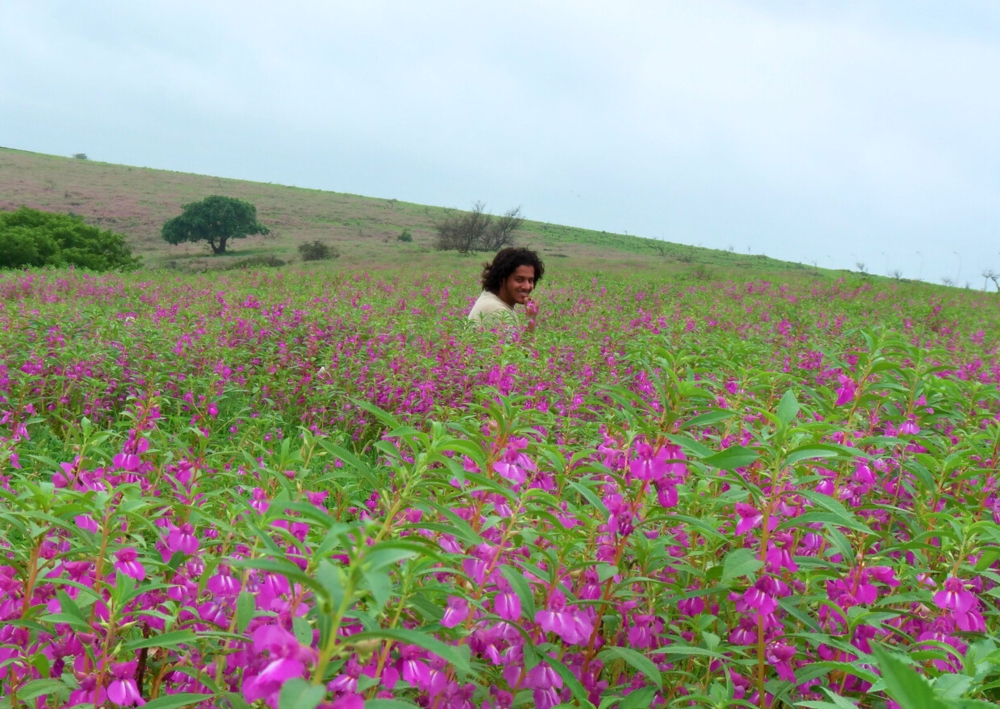
The balsam plant itself is an annual belonging to the family Balsaminaceae. It grows between 20 and 70 centimeters tall, with tender stems and leaves that taper to fine points. Its cup-shaped flowers range in shades from deep purple and red to lighter pinks, though in Dhofar the pink variety dominates the Sarb landscape. Because the entire plant is soft-stemmed and quick to grow, it flourishes immediately after the monsoon, taking advantage of residual soil moisture. Its seeds are known for their remarkable dispersal mechanism—the pods burst open at the slightest touch, scattering seeds that ensure its return each year.
The balsam, however, is only part of the story. Dhofar’s landscapes are unlike anywhere else in the Arabian Peninsula because of the summer monsoon that drenches its southern slopes. That rainfall nurtures a remarkable variety of plants—some that flourish only here. Alongside the balsam, one may notice Capparis cartilaginea, known locally as Qanfar, which thrives near springs and manages to endure the heat of summer. The frankincense tree, Boswellia sacra, is another emblem of the region, connecting its ecology to centuries of trade and heritage.
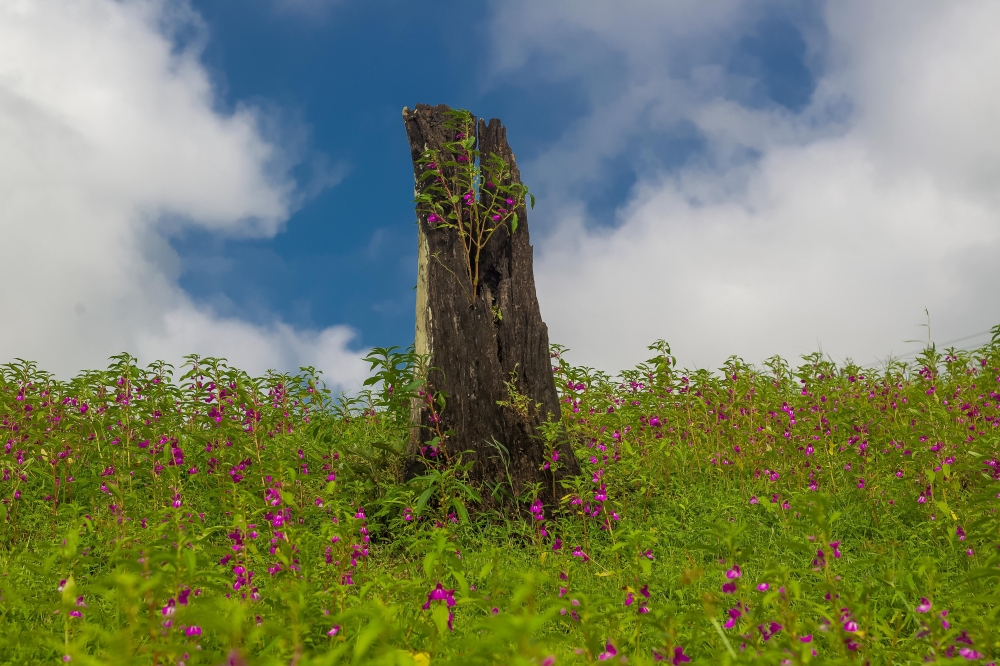
For travelers, Sarb offers an ideal opportunity. The roads are quieter, hotel rooms are easier to find, and the viewpoints once crowded during Khareef are tranquil again. Temperatures begin to ease, the skies clear, and the air carries just enough coolness to make walking through valleys and along cliffsides refreshing. Photographers and nature lovers will find the light softer and the landscapes open, with pink blossoms adding a fleeting but unforgettable accent.
The shift from Khareef to Sarb is more than a change in weather; it is a reminder of the rhythm of life in this southern corner of Oman. At the poles, the equinox may mark six months of day or night, but here, it signals the moment when blossoms like the balsam announce the season of renewal. Visiting Dhofar in Sarb is to experience a quieter beauty—one painted in shades of pink, set against green valleys and the scent of frankincense trees, far from the bustle of the monsoon crowds.
PHOTOS: SHANFARI.NET
Oman Observer is now on the WhatsApp channel. Click here