




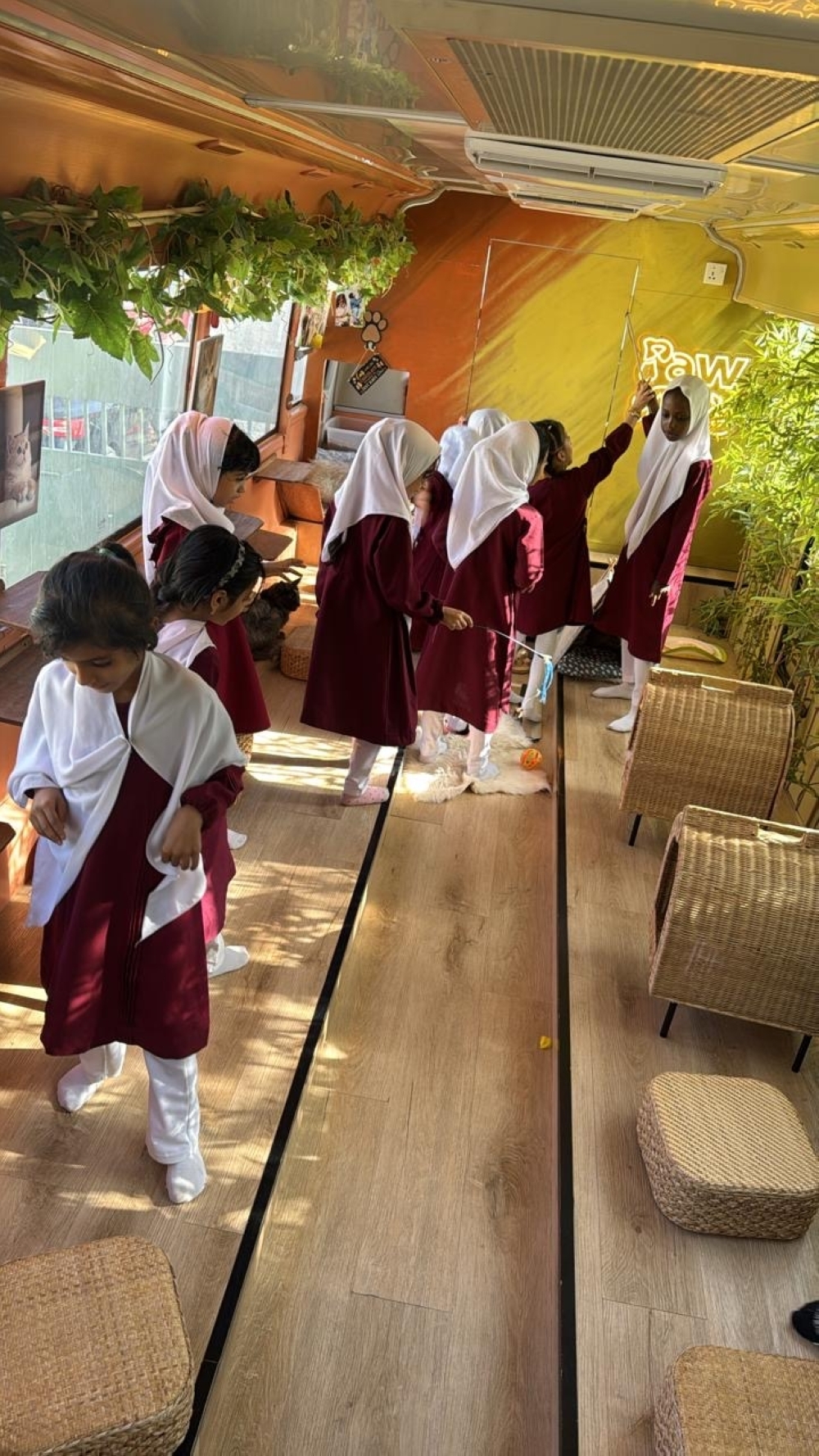
On a radiant morning in Muscat, as the sun bathes the city in a warm glow, a vibrant, cheerfully decorated bus pulls to a halt in a bustling neighbourhood. A crowd quickly gathers — children with wide eyes, adults with camera phones, all drawn by the colourful stickers emblazoned on the windows.
This is no ordinary vehicle; it's a moving sanctuary, a small universe of furry creatures that has captured the imagination of the local community.
Welcome to ‘Paw and Toe’, an innovative project spearheaded by Oman’s Qadha initiative that seamlessly marries care, education, and compassion through the lens of the nation’s overlooked feline friends.
A mobile platform raising awareness about responsible pet care and animal welfare
The bus’s colours blur with the lively chatter of children and adults alike. Inside are 16 meticulously registered cats, representing a variety of breeds including Scottish Fold, Scottish Straight, British, Maine Coon, and Bengal. These cats are preserved in their purity, verified by the World Cat Federation (WCF), dispelling myths surrounding hybridisation and genetic compromise. But the bus is more than a showcase for pedigrees—it's a rapidly evolving centre for experiential learning and emotional connection.
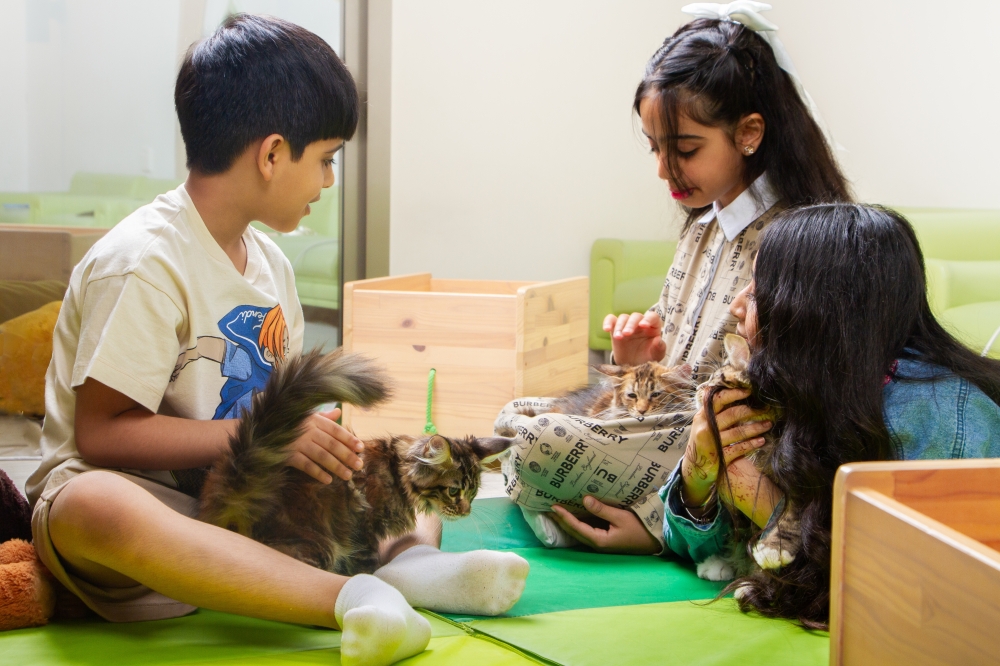
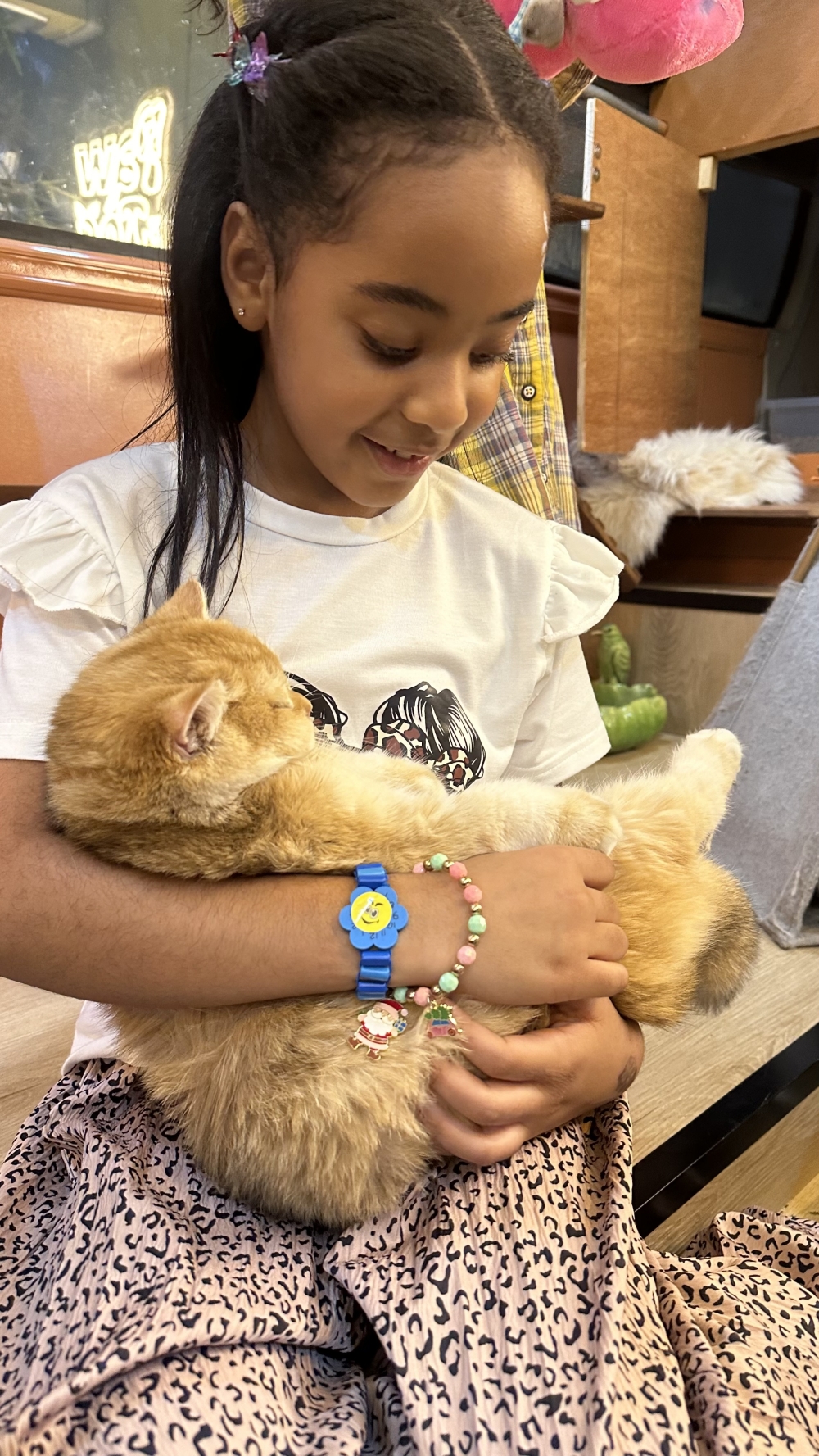
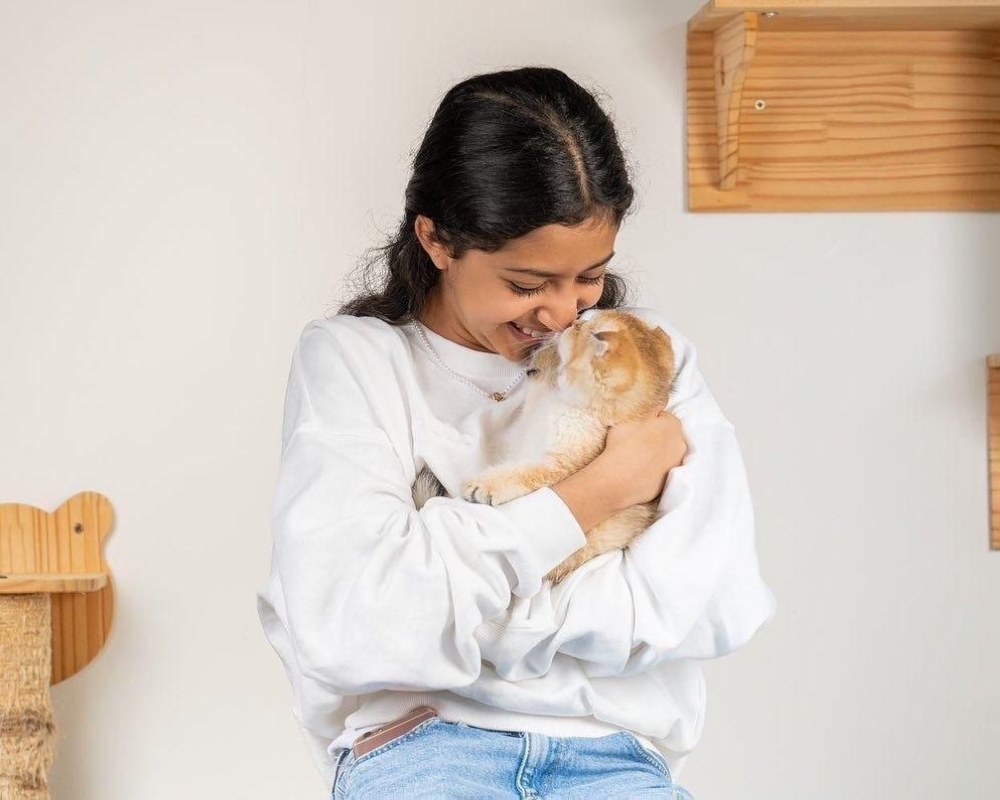
Samiya Al Jahwari, the creative director of Qadha, explains that ‘Paw and Toe’ is about redefining relationships — showing that animals are not mere objects of entertainment, but sentient beings deserving of understanding and stewardship. “We see how visitors respond to the cats,” she says. “Initially, many are hesitant, afraid to touch them—yet, within minutes, they’re hugging these animals as if they’re old friends. Many tell us, ‘We had no idea cats could bring so much comfort.’”

A mobile platform raising awareness about responsible pet care and animal welfare
This discovery is at the heart of the project. It isn’t just about pet care; it’s about cultivating empathy, compassion, and responsibility. The quiet transformation that unfolds when someone interacts with the cats—children specifically—could, Samiya suggests, be a seed for wider societal change. “People are rediscovering their humanity. Children and girls refuse to leave the bus; others ask to volunteer. These are not incidental moments but the real victories,” she affirms.
The project’s organisers believe strongly that establishing a sense of responsibility in humans begins with touch and real-world experience. Children learn that adopting a cat isn’t a fleeting fad but a long-term commitment—an understanding often lost in the rush of modern life. Educational sessions inform prospective owners about balanced nutrition, veterinary care, and mental stimulation, aiming to combat ignorance that can lead to neglect or abandonment.
A mobile platform raising awareness about responsible pet care and animal welfare
Samiya underscores that small acts in neighbourhoods can make a significant difference. “A bowl of water, a simple food container, a gentle word — these actions contribute to the well-being of street cats and, by extension, the environment.” She highlights the troubling consequences of neglect and overpopulation: the death of street cats doesn't just evoke sadness, but also contributes to soil and water pollution, parasite spread, and the proliferation of stray dogs. The bus’s community outreach aims to transform individual gestures into a collective movement, fostering a culture of responsibility long term.
A Cultural Shift and a Call for Collective Action
From the outset, ‘Paw and Toe’ has sought to involve not just the community, but also corporations and educational institutions. Samiya points out that schools are “fertile ground for values,” emphasising that nurturing kindness to animals amid young minds can shape a more compassionate, balanced generation. The recent establishment of the Oman Society for the Prevention of Cruelty to Animals opens further doors for partnerships with charities that specialise in therapeutic and educational initiatives.
A mobile platform raising awareness about responsible pet care and animal welfare
Corporate sponsors and local businesses are encouraged to support through funding, logistical aid, or joint programs. “We’re building a sustainable ecosystem — combining the mobility of the bus, institutional backing, and school-led awareness — to cultivate a culture that sees respect and kindness towards animals as fundamental,” Samiya explains.
With its reach expanding beyond Muscat, the project aims to deliver educational programmes across Oman’s various governorates. Visits to Sharqiyah, North and South Batinah, and Al Dakhiliyah demonstrate the bus’s role as both a community catalyst and a regional model. Looking ahead, there’s a desire to integrate technology—via apps for adoption and awareness—to broaden its impact further.
A mobile platform raising awareness about responsible pet care and animal welfare
Healing Through Connection
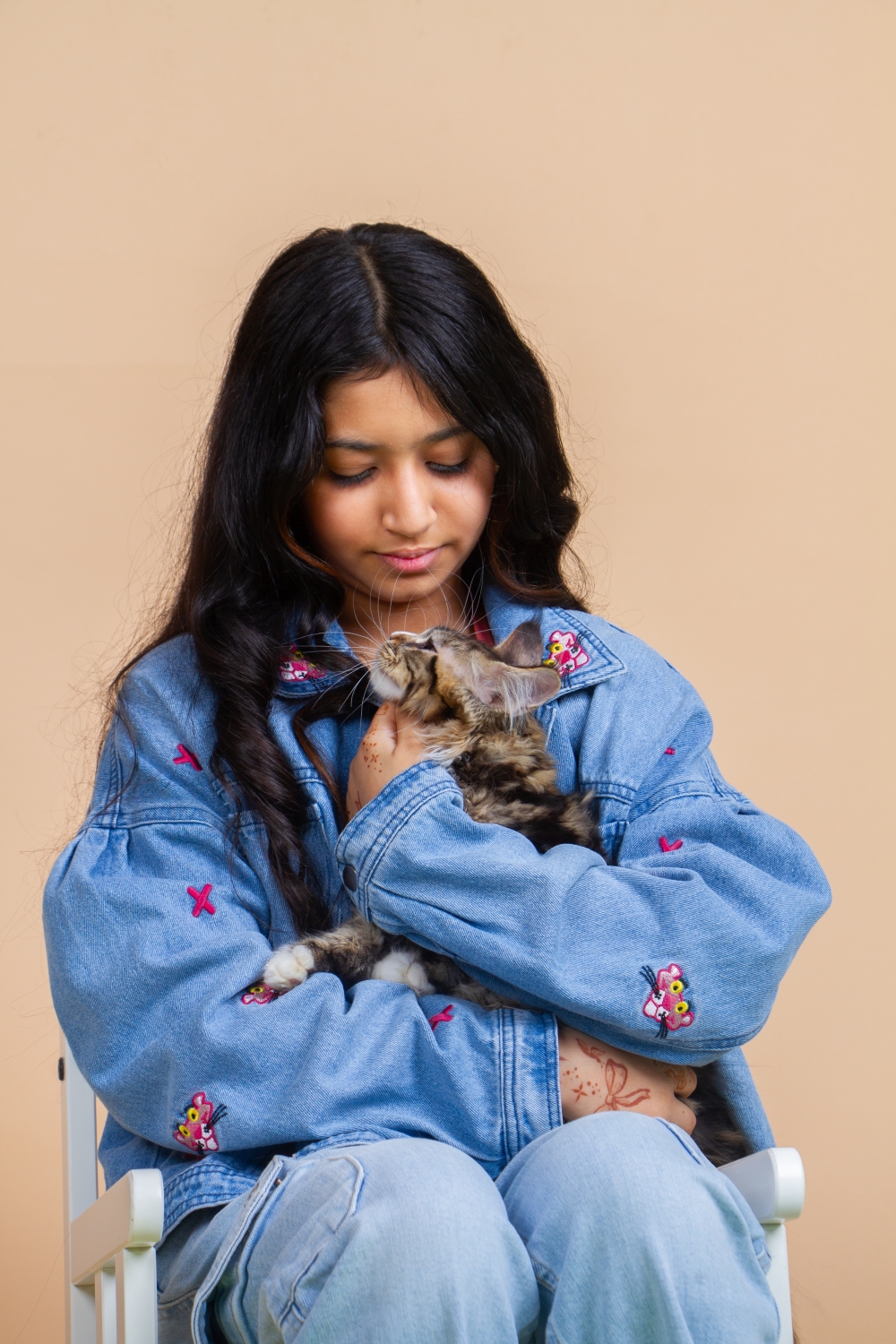
The bus reveals profound truths about human and animal companionship. Samiya recounts stories—such as a woman who, lacking children, found solace in her cats, or a young girl suffering from severe anxiety whose bond with a feline transformed her sense of safety. “One woman told us she found in her cats an escape from loneliness, adopting three since her first visit. Such stories affirm that cats offer emotional therapy; they fill voids that nothing else can.”
Scientific research supports these anecdotal truths. The purring of cats, which produces vibrations between 25 and 150 Hz, has been scientifically linked to healing benefits—accelerating bone healing, reducing inflammation, and alleviating stress. Listening to a cat’s purr can help lower cortisol levels and boost oxytocin, fostering feelings of peace and emotional support. It’s no surprise that many who care for or simply interact with cats report feeling calmer, less anxious, and more connected.

A mobile platform raising awareness about responsible pet care and animal welfare
However, Samiya stresses that these benefits come with responsibilities. “A cat is not a piece of furniture. It is a living soul that requires care, respect, and commitment. If you cannot provide that, it’s better to help street animals in your community—by providing water, food, and kindness—than to adopt impulsively and neglect their needs.”
Unfortunately, there remains a misconception among some that the independence of cats means they do not require attention or care. Samiya’s message is clear: “A cat’s independence is a gift, not an excuse for neglect. It’s about understanding their needs—balanced diet, vaccination, mental stimulation, and long-term loyalty. They can live for more than 15 years, and during that time, they become a part of your family.”
The project’s future plans involve expanding its reach across all Oman’s governorates, collaborating with schools to embed pet welfare into curricula, and forming partnerships with local animal welfare groups. Samiya envisions a future where technology plays a vital role—perhaps through mobile applications that promote responsible adoption, accessible care tips, and community engagement initiatives.
“Our goal,” she affirms, “is to foster a culture where animals are valued, respected, and cared for as an integral part of society. The mobile bus is our starting point—a moving symbol of compassion, education, and community effort. We hope it will inspire similar initiatives regionally and beyond.”
Oman Observer is now on the WhatsApp channel. Click here