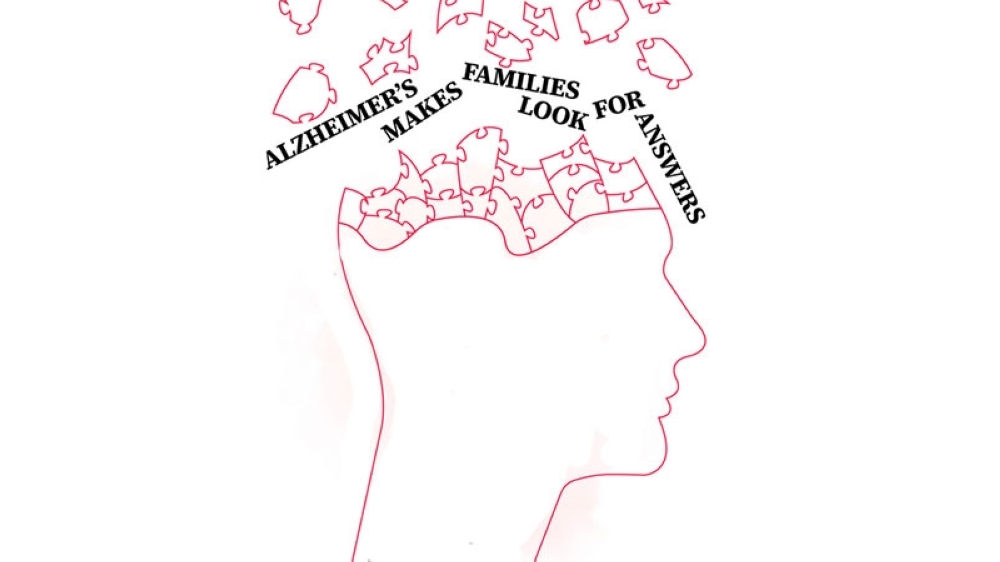





The shock of realising a family member is going through the onset of Alzheimer’s is challenging in many ways. Purple Cafe, an initiative of Oman Alzheimer’s Society (OAS) for the caregivers of Alzheimer’s patients, held their annual event at Intercity Hotel, Bausher, marking World Alzheimer’s Month.
At the yearly Alzheimer’s caregivers support group event organised by the Oman Alzheimer’s Society, participants reflected on how the journey of caring for a loved one with dementia can, despite its many challenges, bring families closer together.
During the discussions, many shared how difficult it is in the beginning to recognise the early signs of the illness, with denial often being the first response. This stage is frequently accompanied by feelings of guilt and a kind of early grief, as families begin to realise the changes that lie ahead.
Reflecting, Lubaina al Sulaimani explained, “A mother is the strongest pillar in a family, so it is difficult when Alzheimer’s has its impact on her. We take each day as it comes. Living with it is not the same as hearing about it.”
A central part of the discussion focused on where to turn for help. One participant shared a story of their grandmother, who was diagnosed with end-stage cancer, and she was unable to voice her pain, and doctors thought her agitation was due to Alzheimer’s itself.
"Caregivers highlighted the importance of reaching out to healthcare providers, community resources and support groups like Purple Cafe to avoid feeling isolated in the process,” said Dr Hamed al Sinawi, Chairman of Oman Alzheimer’s Society, senior consultant in geriatric psychiatry, and head of the Department of Behavioural Medicine at Sultan Qaboos University Hospital.
The group also spoke about the later stages of the illness, when communication becomes limited and care needs become more demanding. Members reflected on how to continue showing love and affection in simple but powerful ways, such as touch, presence and small gestures of kindness.
Some of the caregivers shared their struggle with getting medical care for their loved ones, especially at the advanced stages when the person with Alzheimer’s is bedridden and unable to communicate; therefore, transferring him or her to a hospital was a big challenge. Caregivers acknowledged that having doctors and nurses do a home visit to treat the patients would make life much easier for patients and caregivers.
Accepting the condition for what it is was described as a painful but liberating step, one that allows families to focus less on what is lost and more on the moments of connection that remain.
Sabah al Azri, a psychologist and a core facilitator of Purple Cafe, said that participants consistently express that the groups provide a safe, non-judgmental space where they can openly share their emotions and caregiving challenges. They appreciate the opportunity to connect with others facing similar situations, which alleviates feelings of isolation and stress.
“Caregivers also report feeling understood, validated and uplifted, as they gain both emotional support and practical advice,” Sabah pointed out.
Nasser al Riyami shared his experience with his father: “He does not talk to us anymore, but we talk to him every day. Take them out for walks and visit beaches, and do not feel shy even if they talk to strangers. We must have handrails at home because falls are dangerous, especially if they lead to surgery, because they will have to go through anaesthesia. We can only hope for a cure for Alzheimer’s.”
On a practical note, caregivers exchanged tips about feeding, sharing experiences and strategies that have worked for them in easing mealtime challenges. These small but meaningful pieces of advice offered reassurance and a reminder that no one is alone in facing the day-to-day realities of caregiving.
Oman Observer is now on the WhatsApp channel. Click here