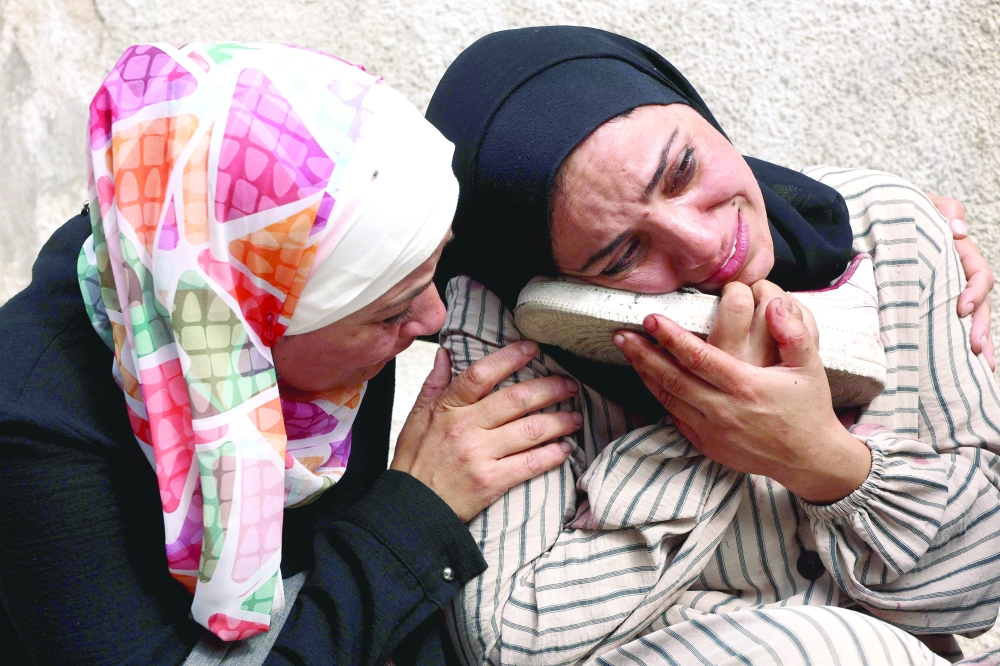
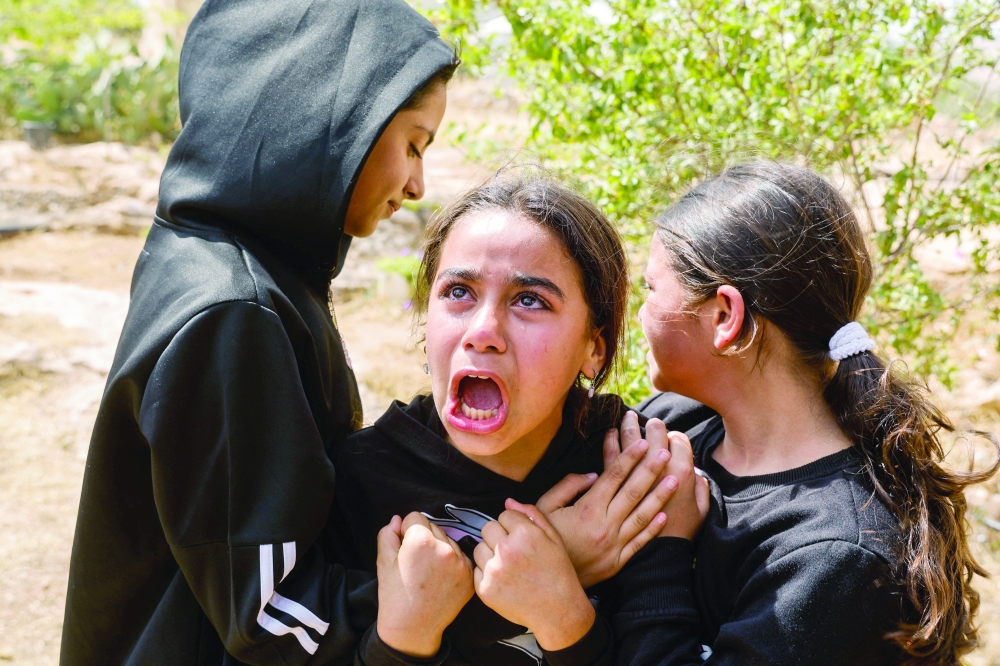
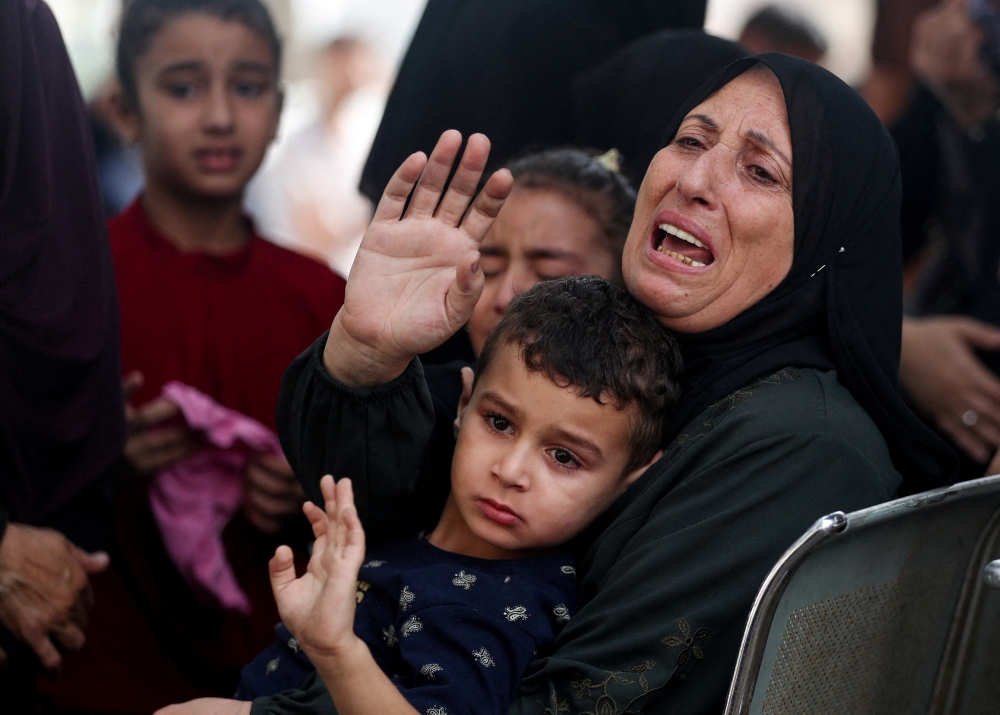
As debate boils over allegations of genocide in the Gaza Strip, there’s another place where all sides in the United States seem to agree a genocide is underway — yet largely ignore it.
That’s Sudan, probably the site of the world’s worst humanitarian crisis today. Famine was officially declared there last year; the United Nations reports that some 25 million Sudanese face extreme hunger and at least 12 million have had to flee their homes because of civil war. Tom Perriello, who was the US special envoy for Sudan until this year, said he believes that the death toll by now has exceeded 400,000.
In January, the Biden administration officially declared the killing in Sudan to be a genocide. In April, the Trump administration also characterised the slaughter as a genocide, and the State Department confirmed that it views the situation in Sudan as a genocide.
So there is bipartisan agreement in the US that Sudan is suffering both genocide and famine — and also, apparently, a bipartisan consensus to do little about it. The Biden administration was too passive, and now so too is the Trump administration. President Donald Trump is actually slashing assistance this year to Sudan, increasing the number of children who will starve.
Whatever you think of the humanitarian crisis in Gaza — and I’ve been unsparing in my criticism of Israel’s actions and America’s complicity in the bombing and starvation there — we should recognise our collective failure to address this other crisis with an even higher death toll. Neither should be seen as a distraction from the other; we have the moral bandwidth to be appalled by the enormous suffering in Sudan and in Gaza alike.
This failure is global. Arab and African countries have done more to aggravate the suffering in Sudan than to ease it. The UN in 2005 declared a “responsibility to protect” civilians suffering atrocities, but that lofty language seems a substitute for action rather than a spur to it.
Survivors describe ethnic cleansing of almost unimaginable savagery. On the Sudan-Chad border last year, a woman named Maryam Suleiman said that in her village, an Arab militia lined up all the men and boys older than 10 and massacred them. The lighter-skinned gunmen targeted her Black African ethnic group, she said, quoting a militia leader as saying, “We don’t want to see any Black people.” The racist massacres are an echo of the Darfur genocide of two decades ago in western Sudan. One difference is that this time there is far less interest, and a complete failure of political will to respond.
It is “a Gaza — which is horrible enough — writ still larger,” said Anthony Lake, who was national security adviser to President Bill Clinton and later led UNICEF. “And largely off camera.”
The killing and starvation in Sudan are results of a two-year struggle between two warring generals. One faction is the Sudanese armed forces and the other is a militia called the Rapid Support Forces. Both have behaved brutally, starving civilians and impeding humanitarian efforts to aid the hungry.
“We’re being blocked from reaching the hungry — and attacked for trying,” said Cindy McCain, the executive director of the UN World Food Program, which had three of its trucks carrying food aid destroyed this month by drone strikes.
Aid workers say that while both sides have committed war crimes, the Rapid Support Forces are responsible for the worst atrocities, such as the burning of entire villages and the slaughter of civilians.
World leaders will gather at the UN in September to repeat platitudes about making the world a better place. One test of their sincerity is what they will do for the major Sudanese city of El Fasher, besieged by the Rapid Support Forces and facing starvation. Sudan watchers fear that if El Fasher falls, the Rapid Support Forces will engage in mass killings, as they have elsewhere.
“Here in El Fasher, we are starving,” Avaaz Sudan Dispatch, a newsletter that follows Sudan, quoted a civilian in the city as saying. “The responsibility is not just on those holding the guns. It’s in the world. The Arab countries. The African Union. Europe. The so-called international community. All of them.
“We know they can help,” the civilian continued. “We know they have the power to airdrop food. They have planes. They have supplies. But they are choosing not to.” — The New York Times
Oman Observer is now on the WhatsApp channel. Click here