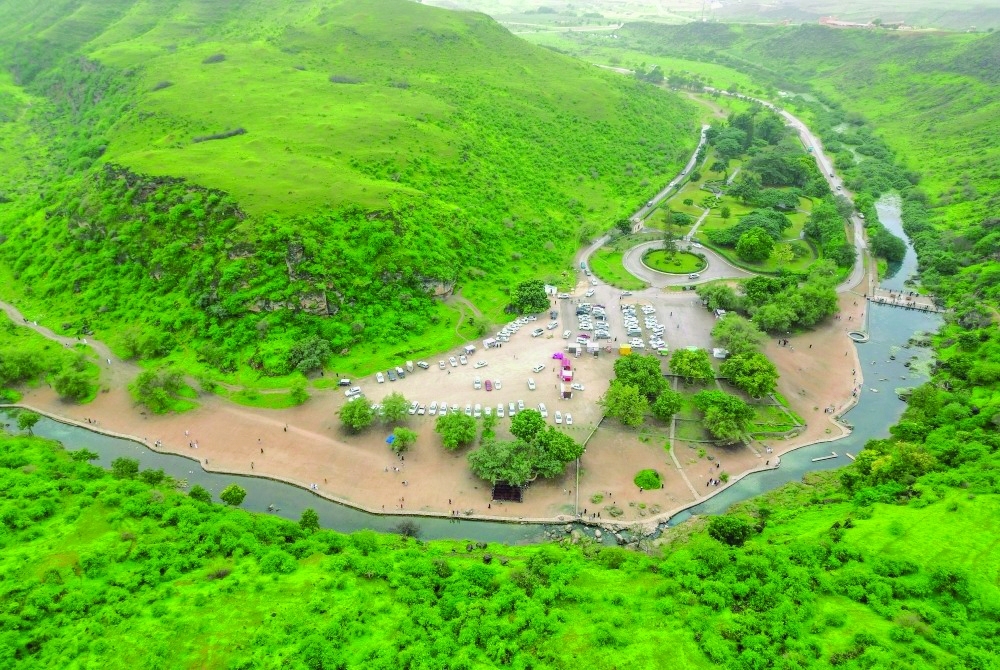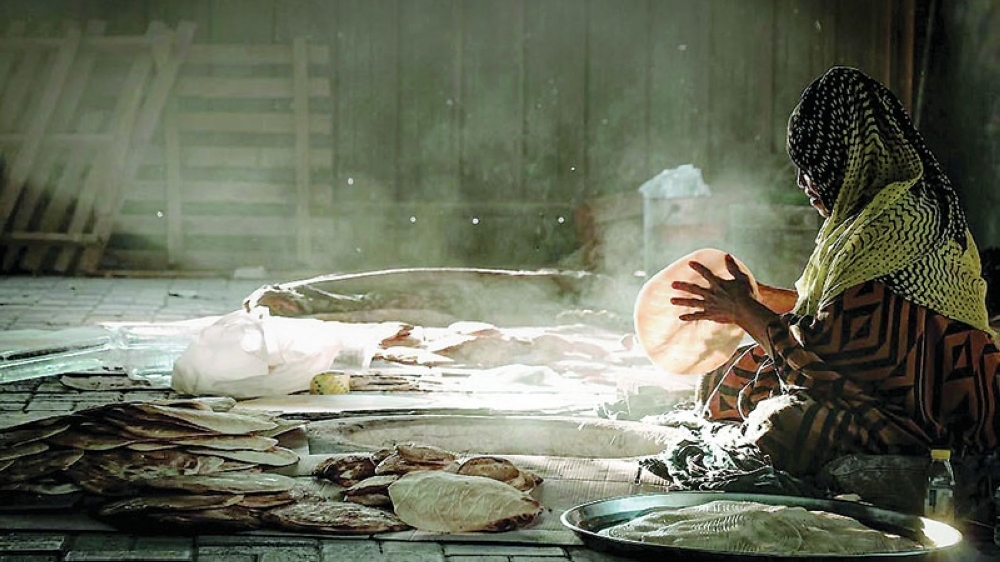





When visitors arrive in Dhofar during the khareef season, they are greeted by more than just verdant mountains and mist-laden coasts. They are also introduced to a culinary heritage that leaves an indelible mark on the senses. In the bustling markets and humble bakeries, crowds eagerly await fresh batches of Dhofari Kaak and Qalab bread — staples as vital as the region’s legendary springs and pristine beaches.
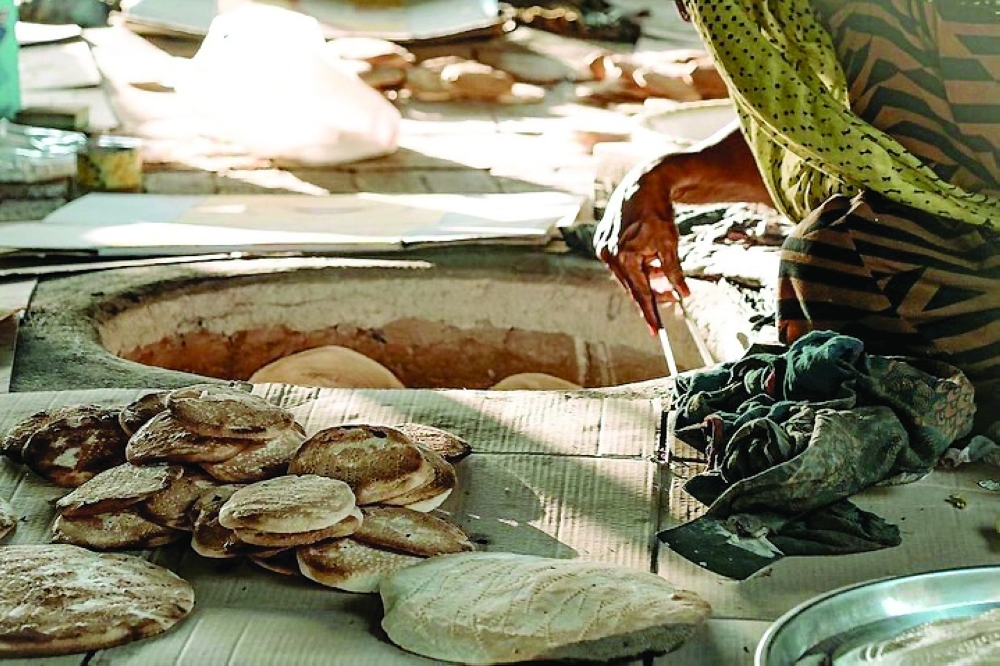
Kaak bread, with its distinctive round shape and hollow centre, boasts a crisp, biscuit-like texture. Crafted from wheat flour, water, and a pinch of salt, it is carefully shaped and sprinkled with sesame or black seeds before baking to a golden hue. The aroma alone stirs feelings of nostalgia, often enjoyed with a comforting cup of tea or milk, or taken home as a cherished gift. For many, Kaak has become a culinary memento, on par with frankincense or a photograph of Salalah’s sweeping landscapes.
In contrast, Qalab bread offers a softer, richer experience. Made from flour, ghee, and sugar, it is baked in traditional round moulds—metal or clay—giving it a satisfying, hearty form. The buttery aroma and subtle sweetness have made Qalab a household favourite, especially during family gatherings and festivities. Visitors often seek it out straight from the oven in Salalah, relishing its warmth and delicate crumb as part of their welcome to Dhofar.
A Growing Food Scene Reflects a Rich Cultural Tapestry
Over recent years, Oman’s food landscape has blossomed into a vibrant mosaic influenced by neighbouring regions, global cuisines, and the nation’s own layered history. Market stalls and high-end eateries alike showcase a broad spectrum of flavours—from the traditionally Omani to the exotic spices and dishes introduced by traders from East Africa, India, and beyond. This diversity is a testament to Oman’s historic role as a crossroads of commerce and culture.
New generations of Omanis are taking this culinary heritage into their own hands, harnessing nostalgia and a sense of pride to launch innovative food enterprises. Many are translating age-old recipes into modern branding, promoting the taste of home-grown dishes on social media and at heritage festivals, thereby ensuring they resonate with both locals and tourists eager for authenticity.
Salalah’s Festival of Flavours and the Role of the Khareef
During the khareef season, when Salalah transforms into a lush paradise, its thriving food scene becomes even more palpable. Food trucks and mobile restaurants line the streets, offering a colourful array of local delicacies and freshly prepared snacks pulled straight from traditional ovens. These mobile eateries serve not just sustenance but also an experience — blending the region’s natural abundance with its rich culinary traditions.
Even amid the tourist influx, certain dishes retain their revered status. Despite the growing popularity of international cuisines, many locals demonstrate a strong preference for Oman’s traditional fare, including the beloved Kaak and Qalab breads, alongside neighbouring Yemeni influences. Given the proximity, Yemeni cuisine’s flavours also find a warm welcome in the region, further enriching Dhofar’s eclectic palette.
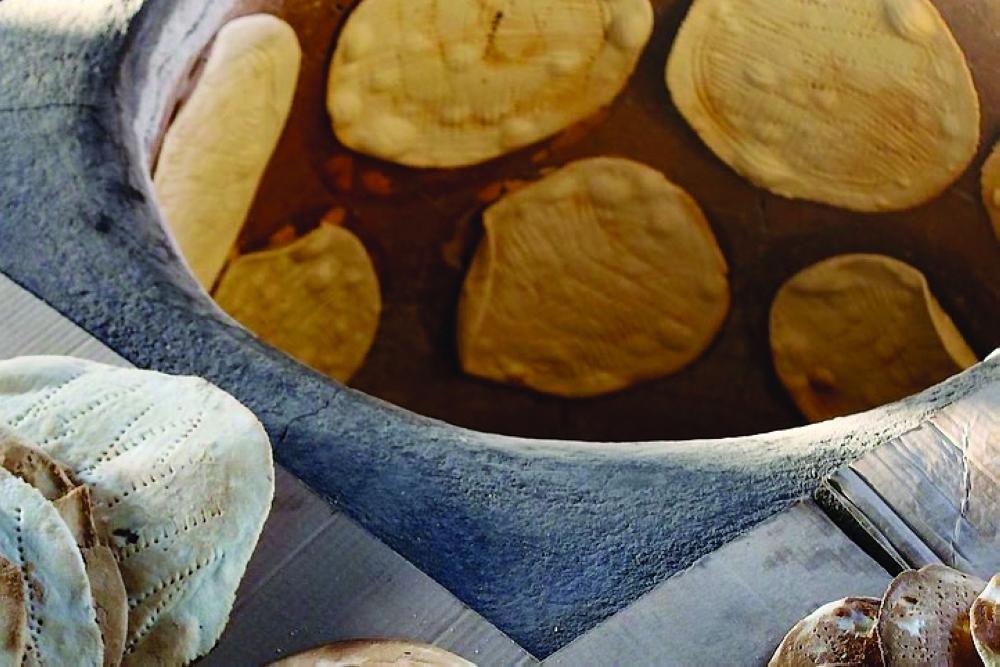
The importance of bread in this cultural interplay cannot be overstated. It serves as both a food staple and a symbol of hospitality — offered to guests with pride and shared across family tables. Its significance extends beyond sustenance; it embodies community, history, and identity, woven into Salalah’s social fabric.
Preserving Heritage, One Loaf at a Time
As the region continues to modernise, the significance of these traditional breads endures. Young entrepreneurs are championing the preservation and promotion of Dhofari and Omanii breadmaking traditions, ensuring that recipes and techniques are passed down amidst a rapidly changing landscape. Their efforts are complemented by a surge in heritage-focused initiatives and digital campaigns that highlight the region’s culinary uniqueness.
In the end, Dhofar’s breads — whether the crisp Kaak or the soft Qalab — are much more than just food. They are living stories, heartfelt symbols of hospitality, and fragrant fragments of history that linger long after a visit. As travellers depart, they carry not only memories of shimmering coasts and emerald hills but also the aroma of bread baked with tradition and pride — a flavour of Dhofar’s enduring soul.
Oman Observer is now on the WhatsApp channel. Click here