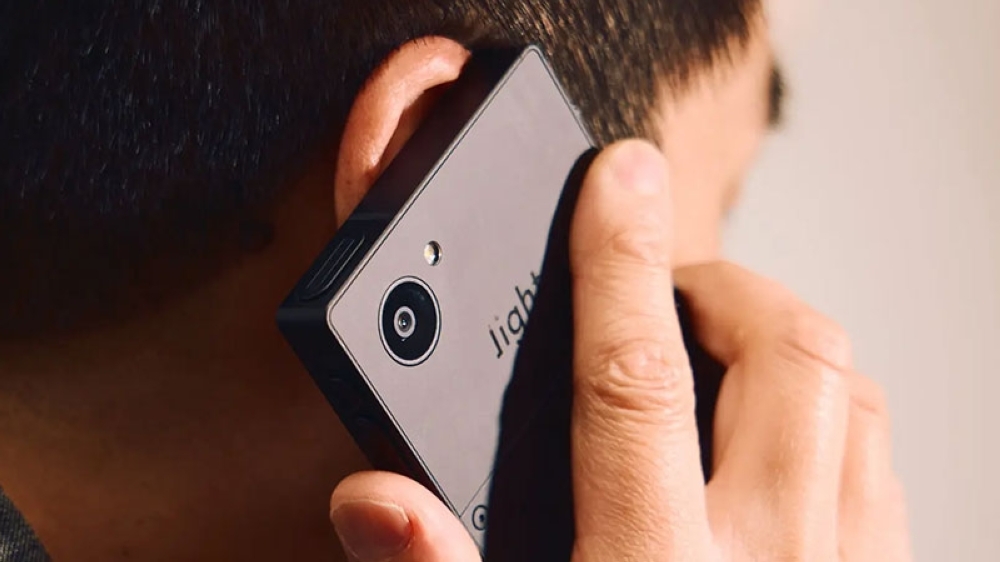
We've all been there: you forget your phone at home and panic about getting reunited with it. When you check into a hotel at your holiday destination, the first thing you ask for is the Wi-Fi password. When travelling on an airplane, you would probably feel anxious until you get back online.
This phenomenon is known as 'digital anxiety', which is not a diagnosed mental illness but more of a psychological state of stress or tension linked to our use of modern technology, particularly smartphones and social media.
This tension often shows a constant sense of urgency or discomfort when you're unable to check your phone or respond to notifications.
Over time, this can evolve into a habit that affects your focus, mood, and overall mental well-being. People with digital anxiety often feel guilty or anxious when they don’t respond to messages right away and may start to panic if the person they are contacting is not replying to them immediately. They also have what is known as fear of missing out (FOMO) when away from their phone. They spend more time checking their phone repeatedly for no clear reason and have difficulty focusing during tasks or real-life conversations.
With time, a person with digital anxiety develops sleep disturbances because of nighttime scrolling or blue light exposure from their smartphones, which interferes with their ability to fall asleep.
According to psychologists, digital anxiety is caused by the fact that smartphones are intentionally designed to hijack your attention. The constant scrolling is engineered by algorithms that read your preferences and keep you distracted, which eventually leads to low-level anxiety that becomes part of your daily life.
You became less patient when talking to real people because you don’t have the fast-forward button to speed up their talk. Behavioural psychologists explain that.
Different apps manipulate our brain’s reward system to get us emotionally attached to our phones. Each notification we receive makes us feel 'important,' so we keep seeking that validation again.
Some of us use the term 'followers' to refer to people we know on social media, which gives us a fake sense of superiority: “We must be special to be followed.” We also call those who have frequent presence on social media 'influencers,' even when all they do is promote products or do stunts on each other to gain more popularity.
To let go of digital anxiety, you can observe your phone habits without judgement. Start by simply recording how many times a day you pick up your phone and when.
Do you do it more when you are feeling bored? Or when there is no one around to talk to? You can also schedule intentional screen-free time starting with 10 minutes a day without touching your phone, especially during the first hour after waking and the last hour before bed.
Turn off non-essential notifications, as every alert is a demand for your attention. Replace mindless scrolling with meaningful habits, such as reading a book or taking a walk.
In my opinion, the above tips can help you avoid digital anxiety for a better mental well-being, so why not try them out?
The writer is a senior consultant psychiatrist at SQU Hospital
Oman Observer is now on the WhatsApp channel. Click here