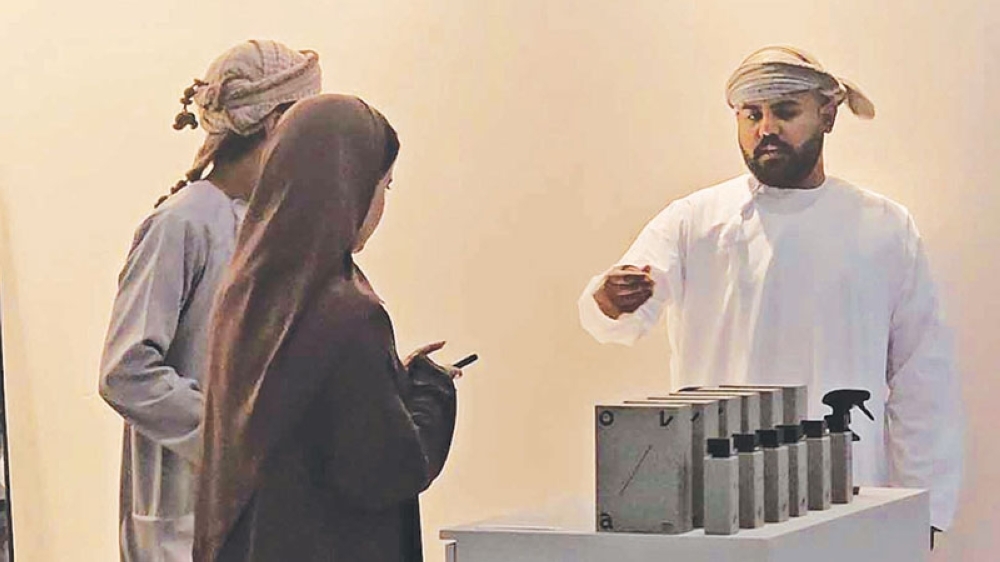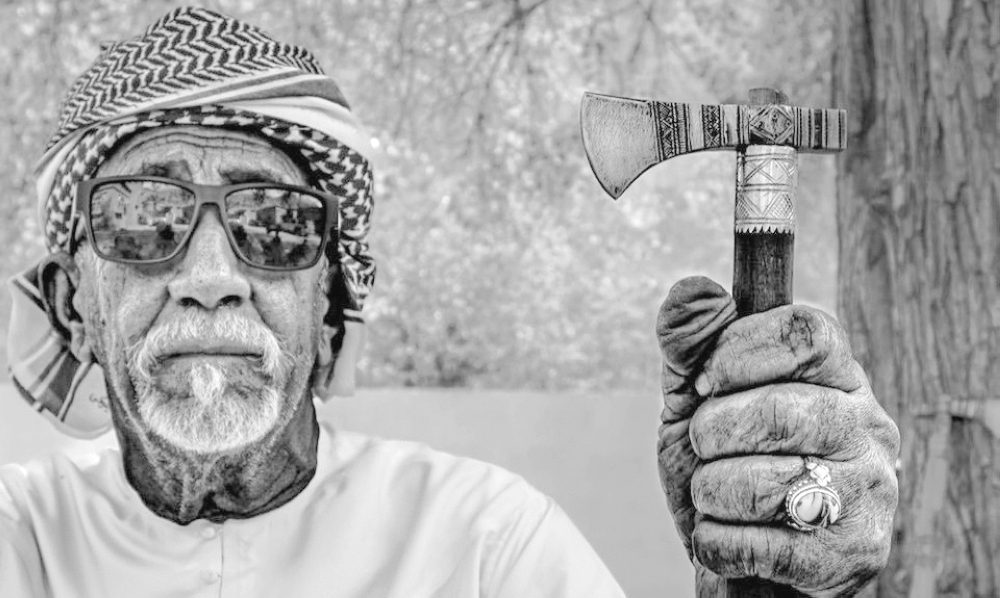





As Omani men assembled quietly in a rugged mountain village to celebrate a momentous occasion, the air is filled with the rhythmic sounds of poetry and song, but what truly captures the eye is the striking presence of the men from the Al Shihi tribe.
Among them, each carries na Al Jeriz—a distinctive walking stick that immediately sets them apart. Unlike the simple canes of other tribes, theirs are elaborately carved, with metal heads engraved with symbols and geometric patterns that tell stories of resilience and identity. These sticks are not just utilitarian objects; they are revered cultural symbols, worn with pride and purpose.
In Musandam’s dramatic landscapes—where cliffs rise sharply from the sea and wind whispers through mountain passes—the Al Jeriz holds a storied place in daily life and ritual.
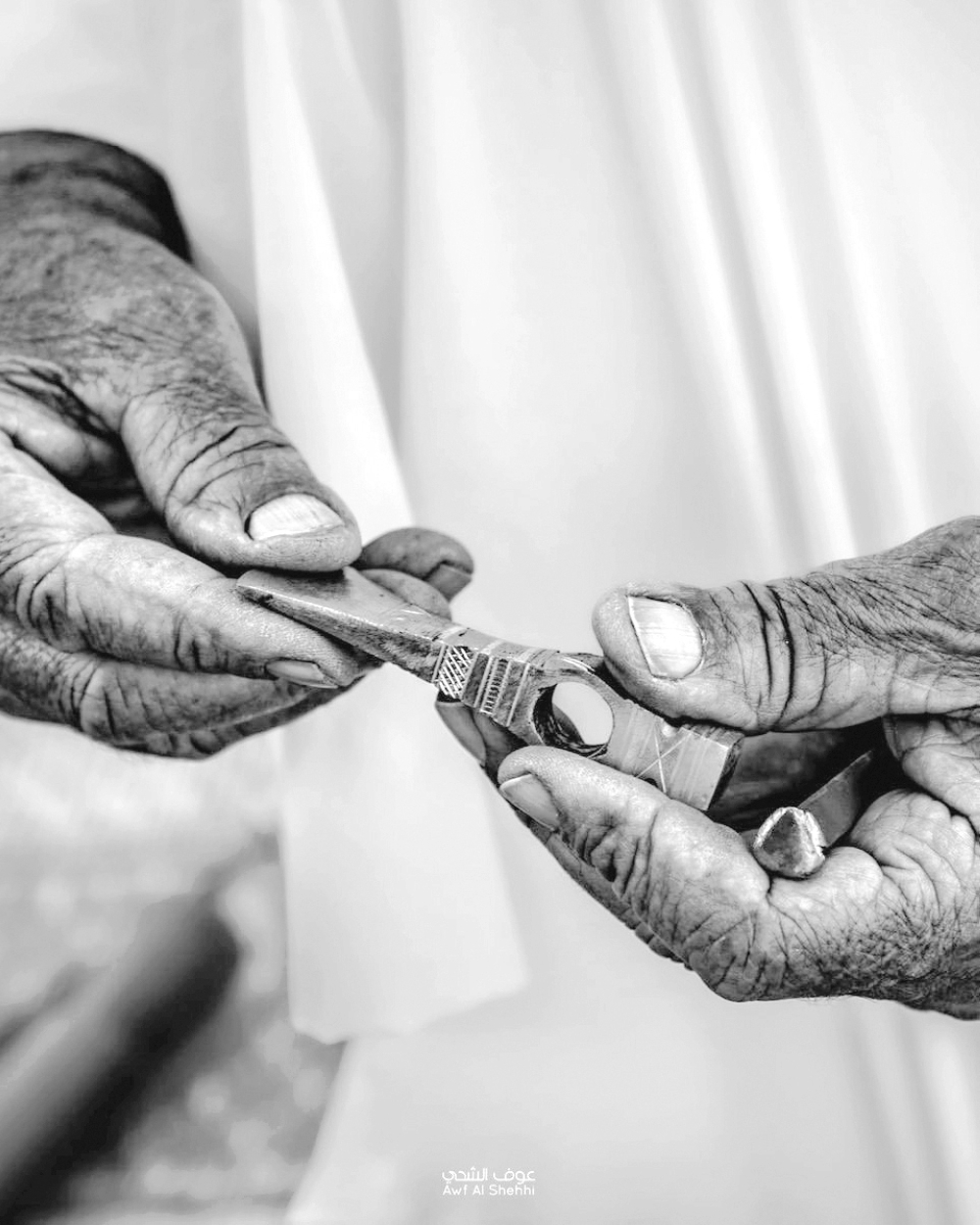
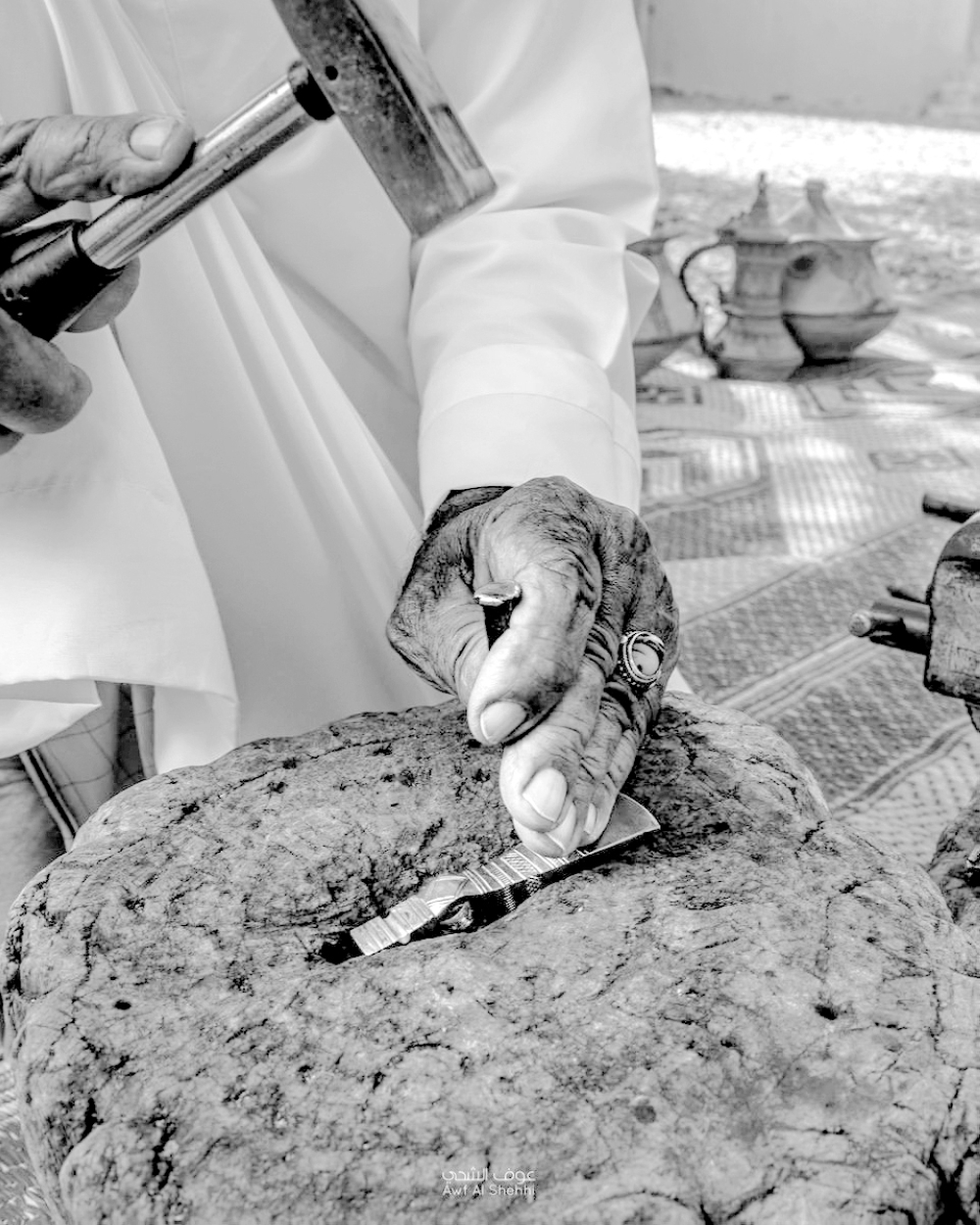
Crafted from native woods like sidr or wild olive, each stick begins its life as a carefully chosen branch. Artisans spend months drying and smoothing the wood before adding intricate carvings known as “sunbursts,” unique to each piece. The detailed engravings and often metal adornments reflect a tradition rooted in patience, craftsmanship, and a deep connection to the land.
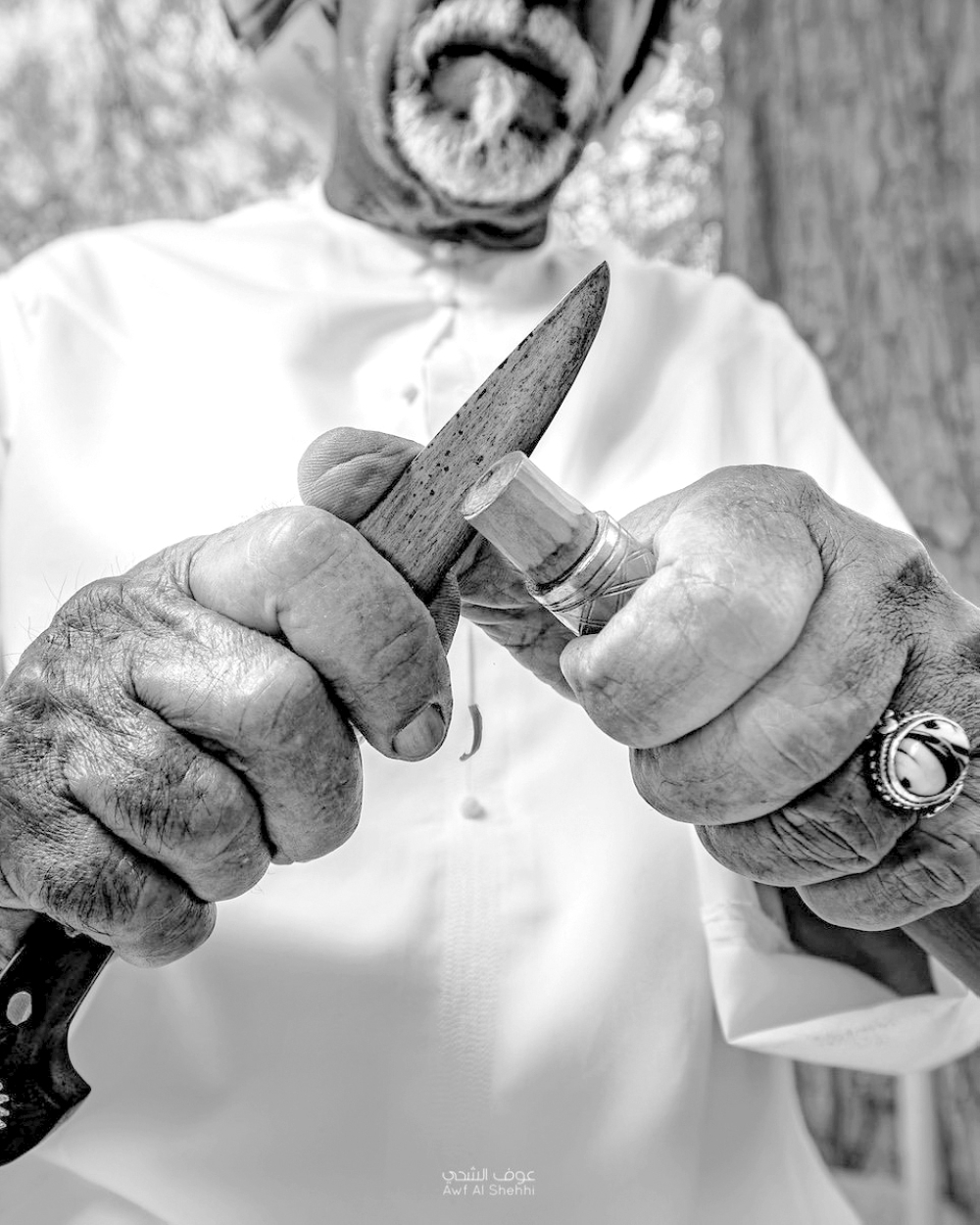
Historically, the Al Jeriz served a practical role—used to assist with mountain treks, as a weapon for defence, or as a symbol of status during ceremonies. Today, it is a cherished emblem of heritage, one that proudly accompanies tribal gatherings, folk performances, and national celebrations.
During the traditional “Nadba,” a rhythmic chant performed by men from the Shihuh tribes, the sticks are struck against the ground in unison—becoming instruments of cultural expression that echo through mountain valleys.
The importance of the Al Jeriz extends beyond the battle cries of old. For generations, it has been handed down from elders to the youth, symbolising continuity and identity.
Recognising its significance, the Omani government—through the Public Authority for Craft Industries—established a dedicated training centre in Khasab in 2005. The centre now offers courses to young Omanis, passing on the skills of artisanship and ensuring that this tradition does not fade into obscurity. Graduates of the programme receive certification, enabling them to continue producing these remarkable sticks and further preserving their cultural heritage.
This effort is complemented by a growing trend among the younger generation. Increasingly, young Omanis, especially those reaching a certain age or participating in significant events, incorporate the Al Jeriz into their traditional dress.
During weddings, festivals, and national celebrations, they wear the sticks alongside the Omani khanjar and belt as symbols of pride and cultural continuity. Ensuring that this tradition remains alive, young men carry these engraved sticks as a sign of respect for their elders, and as a reminder of who they are—members of a proud, resilient community.
Why are such traditions so vital? In a rapidly changing world, they serve as anchors—preserving the stories, values, and artistry of generations long gone.
The Al Jeriz embodies more than craftsmanship; it embodies resilience, social cohesion, and cultural identity. As the younger generation carries the torch, meticulously maintaining and evolving these traditions, Oman’s rich heritage remains vibrant and relevant.
In Musandam’s public squares and parks, models of the Al Jeriz stand as silent guardians of history, beckoning passersby to remember a time when simple sticks carried profound meaning— symbolising endurance, artistry, and an unbreakable bond between past and future.
As the tribe’s proud members gather, their unique walking sticks serve as a potent reminder: in tradition lies the strength to endure through ages, and in their hands, that strength continues to flourish.
Oman Observer is now on the WhatsApp channel. Click here