




Oman is increasingly recognising that the future of urbanisation must focus on the individual and the community. With major projects underway across cities like Muscat, Salalah, Sohar, and Al Duqm, the country is committed to creating sustainable, vibrant, and inclusive urban environments.
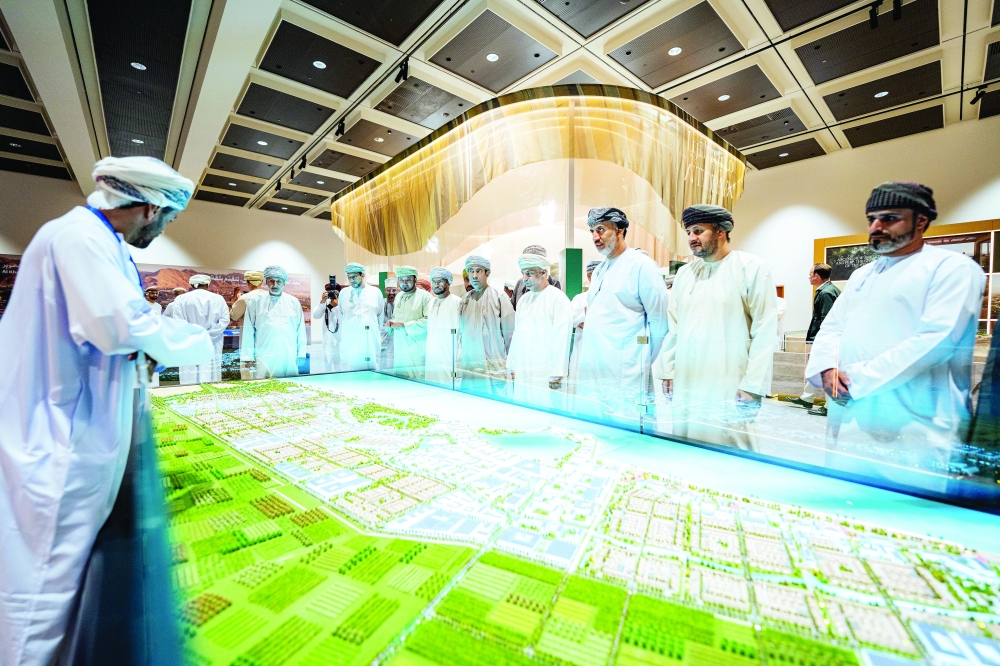
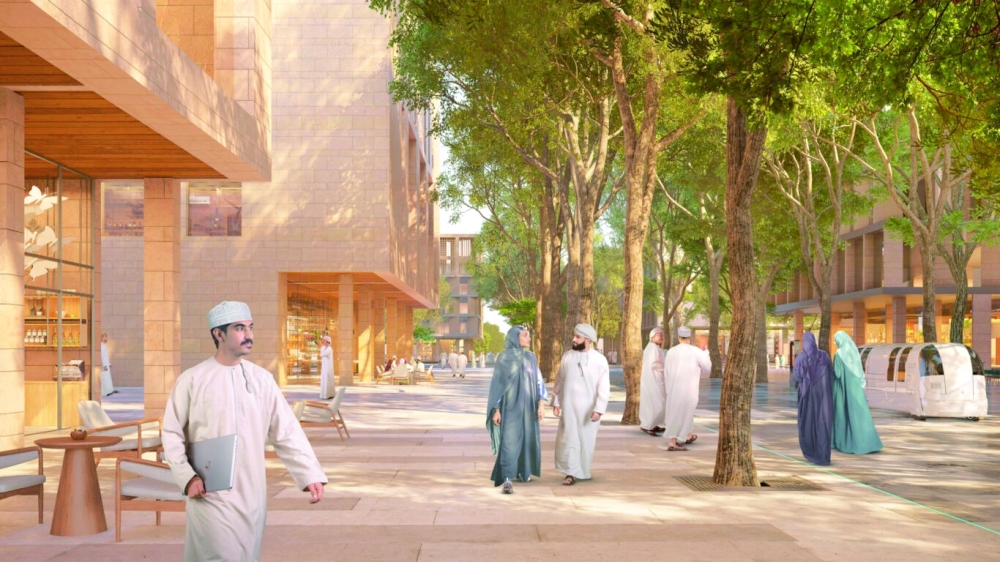
Among these initiatives, Sultan Haitham City stands out as a pioneering example of human-centred urbanism. Designed as a model city for healthy living, walkability, and social cohesion, it integrates parks, public spaces, and mixed-use developments, thereby offering a comprehensive living experience. The city encourages residents to walk, interact, and enjoy their environment—key aspects that foster a sense of belonging and community.
Another landmark development is Al Khuwair Downtown, poised to introduce Oman’s first skyscrapers, significantly increasing the city’s density. This project aims to diversify economic activity through tourism and investment while helping accommodate the growing population. It combines residential, commercial, and leisure spaces within a well-organised district, exemplifying the principles of mixed-use development.
Khuwair Plaza, also set to become a new urban landmark, features the tallest flagpole in Oman and aims to serve as a lively hub for entertainment and social gathering, thus enriching the city’s cultural fabric.
Beyond constructing new districts, Oman has embraced urban regeneration—revitalising districts that have lost their vibrancy or purpose. Rather than demolishing old neighbourhoods, the approach is to restore and adapt them, conserving their cultural and architectural heritage.
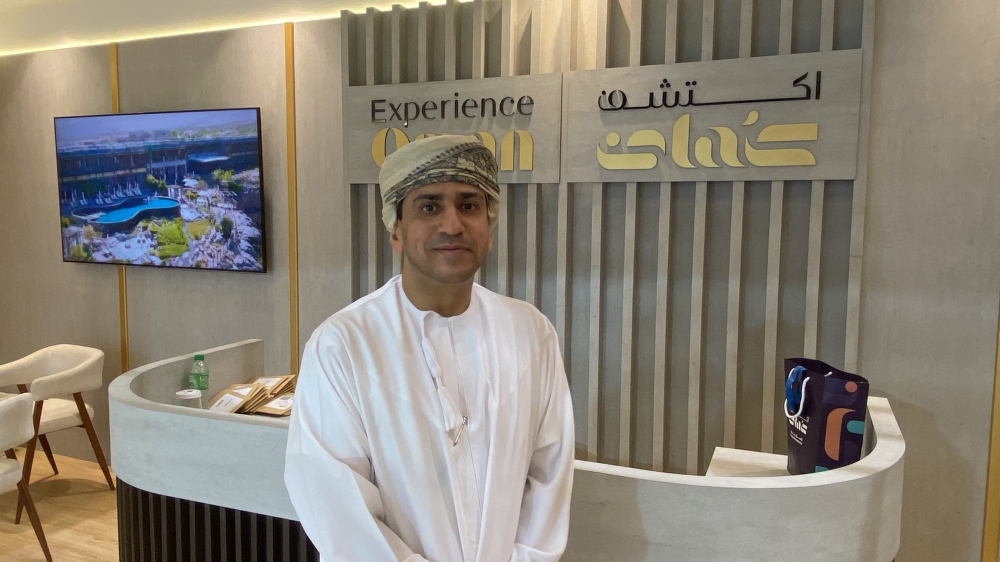
Marwan Al Mahri highlights the significance of this approach, noting that "when neglected areas are restored, they become magnets for cultural events, businesses, and social interactions." For example, Al Aqar in Nizwa is a powerful illustration where abandoned houses are being rehabilitated as centres for urban enterprise, creativity, and tourism. This not only preserves traditional architecture but also revitalises communities, stimulates local economies, and enhances social bonds.
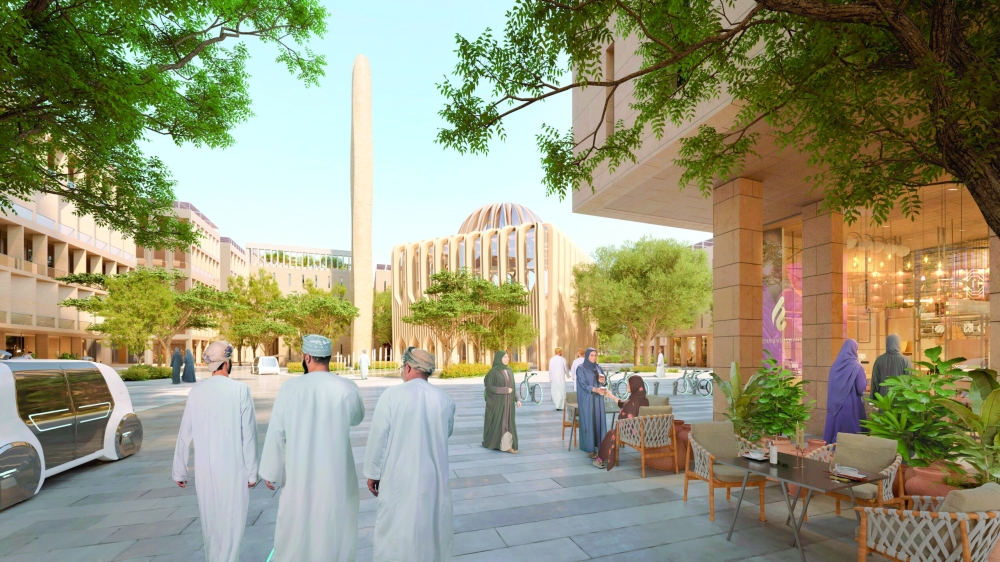
Oman’s strategy involves adaptive reuse—transforming historical buildings into cultural centres, galleries, or small businesses—and redesigning streets with better lighting, shaded walkways, and inviting signage. These enhancements encourage residents and visitors to reconnect with their rich heritage while making urban spaces more inviting and functional.
Creating Inclusive, People-Focused Urban Spaces
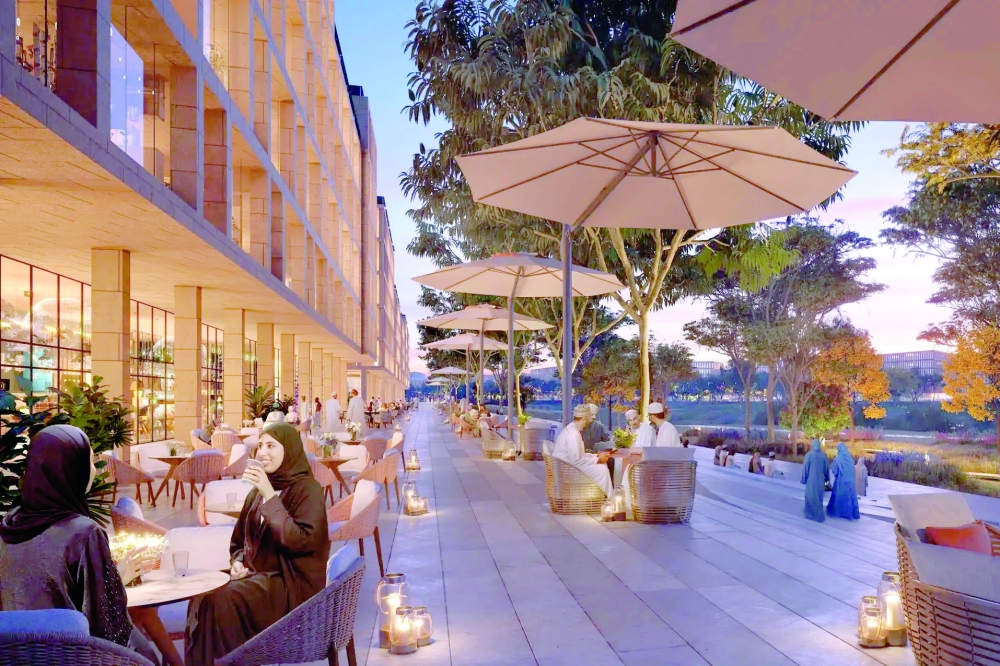
In fostering a truly human-centric city, strategic land use is essential. Combining residential, commercial, and recreational zones within walkable sectors reduces travel times, makes daily life more comfortable, and supports vibrant neighbourhoods. Thoughtful urban design also considers Oman’s climatic conditions—shaded walkways, water features, and natural ventilation strategies mitigate the heat, encouraging outdoor activities and social interactions.
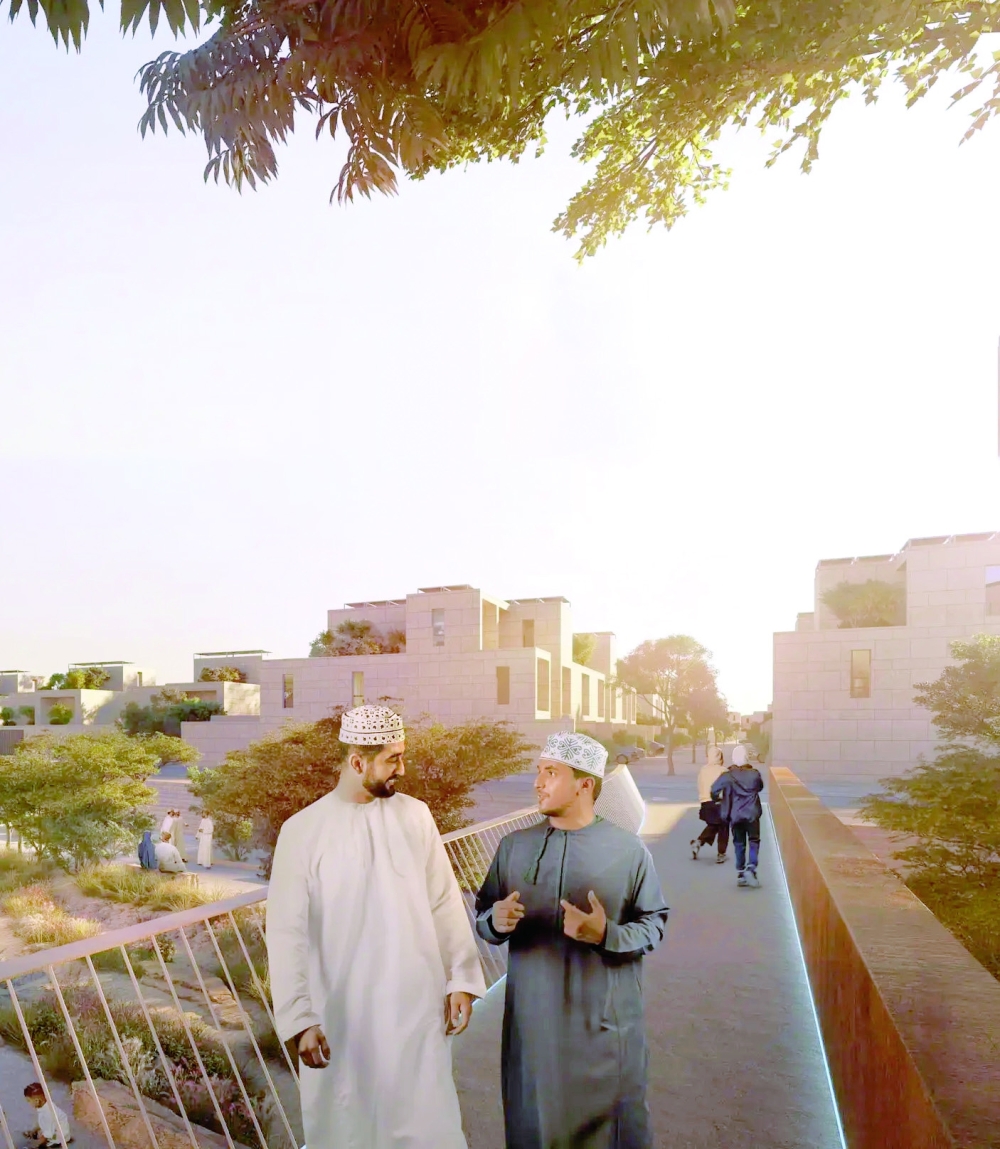
Promoting walkability and cycling not only reduces dependency on vehicles but also fosters spontaneous social encounters. Streets designed for pedestrians are safe, accessible, and lively—inviting residents to linger, meet neighbours, and enjoy their surroundings. Proper lighting, intuitive signage, and accessible infrastructure such as ramps and tactile paving ensure inclusiveness for people of all ages and abilities.
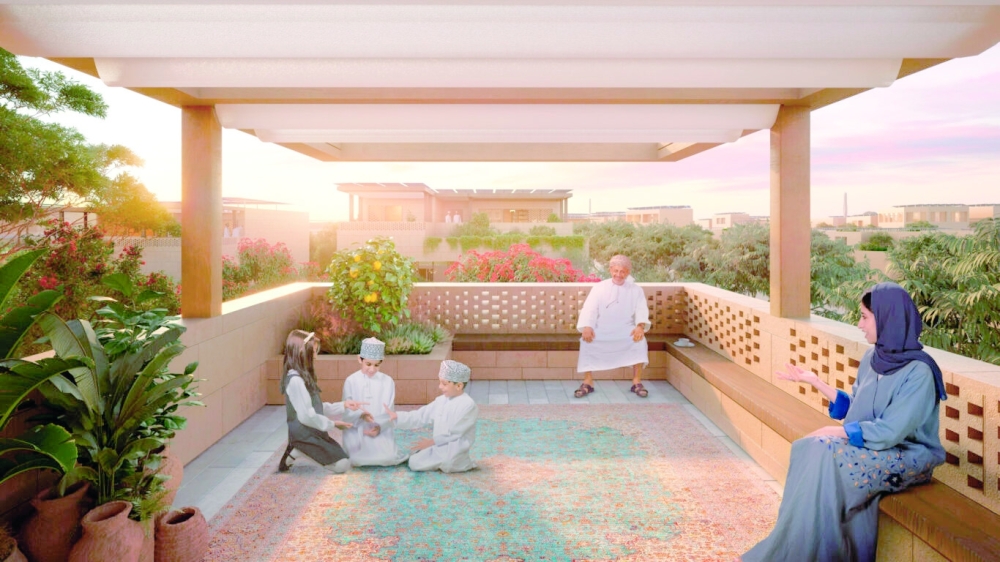
Public spaces like markets, parks, and cultural venues serve as vibrant community hubs—spaces where social bonds are strengthened, health is nurtured, and a sense of belonging flourishes. Events such as festivals, performances, and markets animate these areas, transforming them into dynamic centres of city life. Flexible design allows these venues to be adapted for various uses, ensuring ongoing activity and engagement.
The Role of Architecture in Community and Culture
Architecture in Oman bears a deep connection to its cultural identity. Bab Al Salam Mosque in Muscat exemplifies a bold contemporary design that responds to community needs. By removing perimeter walls and fostering open access, the mosque becomes a natural extension of the neighbourhood fabric. This openness promotes community interaction and inclusiveness, embodying a civic architectural philosophy that blends tradition with modernity.
Traditional Damascene houses further illustrate how architecture fosters social cohesion. Their inward-facing courtyards, surrounded by rooms, create private yet connected environments. These courtyards, adorned with fragrant jasmine and water features, act as gathering spaces that support family intimacy and neighbourly interaction. Narrow, shaded alleys connect homes and facilitate face-to-face exchanges, transforming the neighbourhood into a living community rather than just a collection of structures.
Looking forward, Oman aspires to develop cities that balance tradition, innovation, and sustainability. Embracing new technologies—such as improved insulation, renewable energy, and smart city solutions—will enhance urban resilience. Simultaneously, preserving cultural heritage and community values remains central to Oman’s urban vision.
By prioritising public spaces, green infrastructure, and socially inclusive design, Oman aims to create cities where residents feel connected, safe, and valued. These cities will foster a sense of belonging, support healthy lifestyles, and express the rich cultural identity of Oman.
Oman Observer is now on the WhatsApp channel. Click here