




In an age of rapid development, Oman’s historic neighbourhoods serve as silent mentors in the art of creating resilient, community-oriented cities.
In the bustling city of Nizwa, amid the rising skyline and expanding roads, lie quiet lessons that hold the potential to reshape modern urban planning.
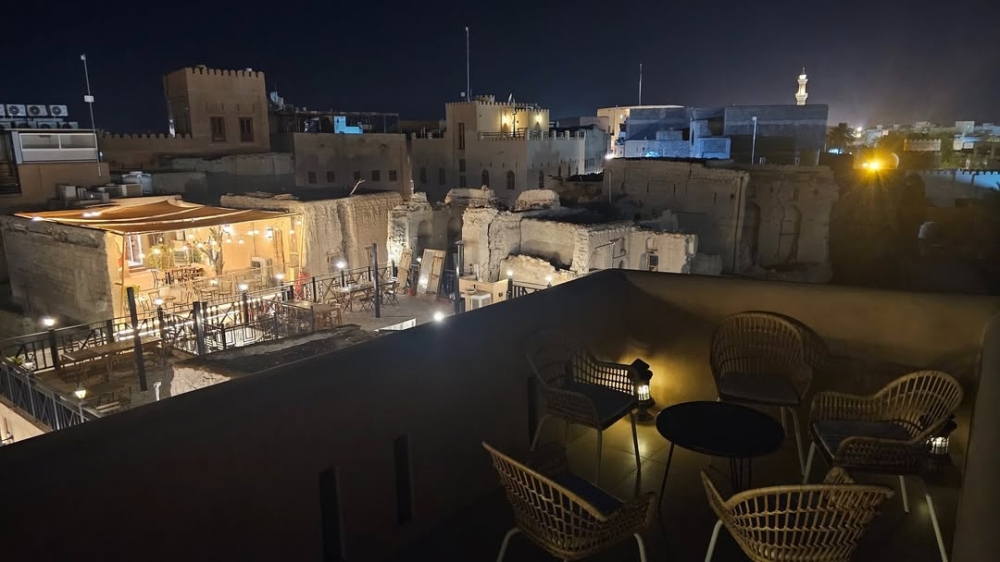
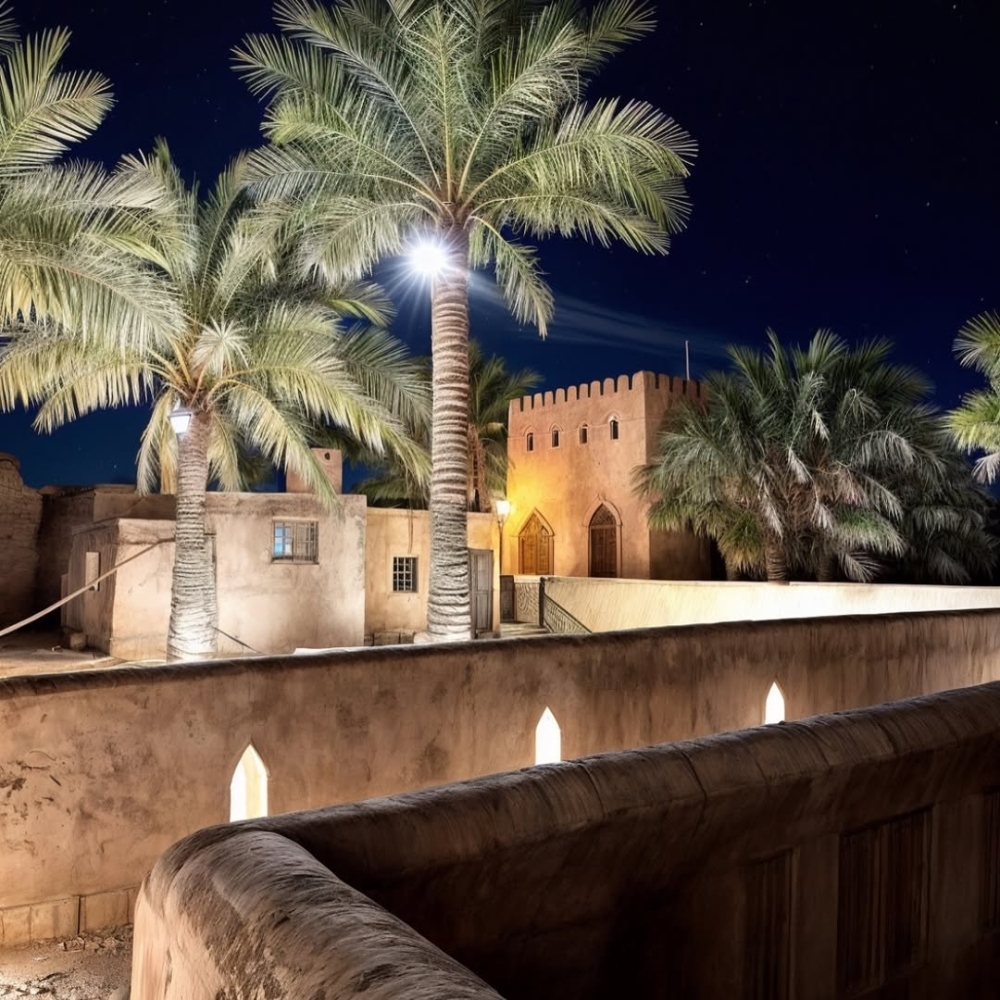
The neighbourhood of Al-Aqar, with its shaded alleys and open courtyards, stands as a living testament to centuries of wisdom in creating harmonious, sustainable communities. Today, as cities around the world expand at an unprecedented pace, Oman’s traditional urban design principles serve as an important reminder: human-centred spaces rooted in architecture’s cultural past can forge resilient and vibrant communities for the future.
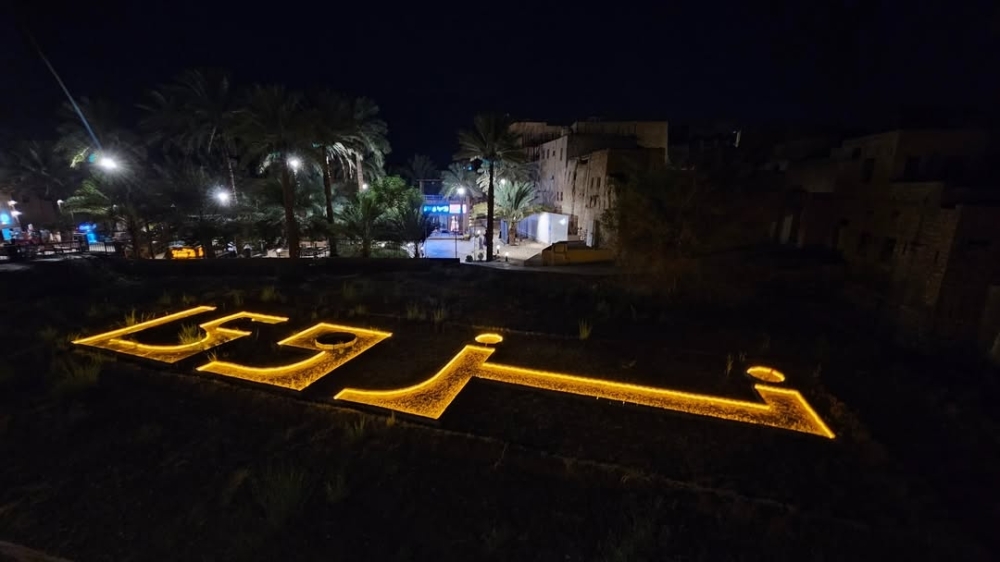
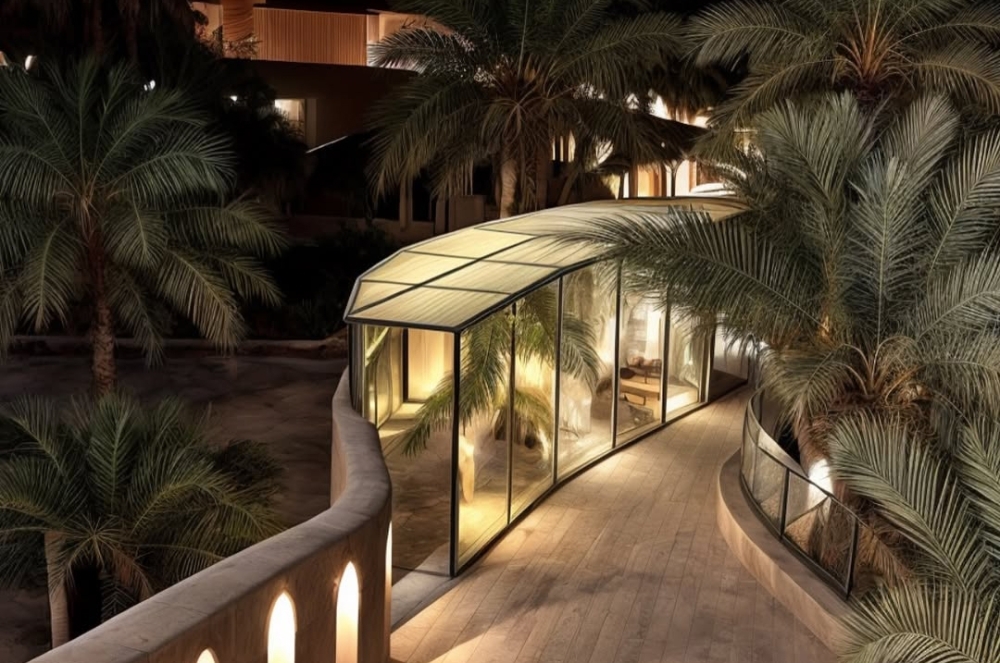
The neighbourhood’s features are simple yet profound. Houses are built close together, creating shaded pathways to shield residents from the relentless desert sun. Narrow lanes funnel cooling breezes while fostering a sense of intimacy and neighbourliness. Central open spaces near mosques become bustling hubs for daily gathering, celebrating the town’s social fabric and cultural identity. Inside, homes often feature open-air courtyards bounded by rooms, combining privacy with ventilation and social interaction.
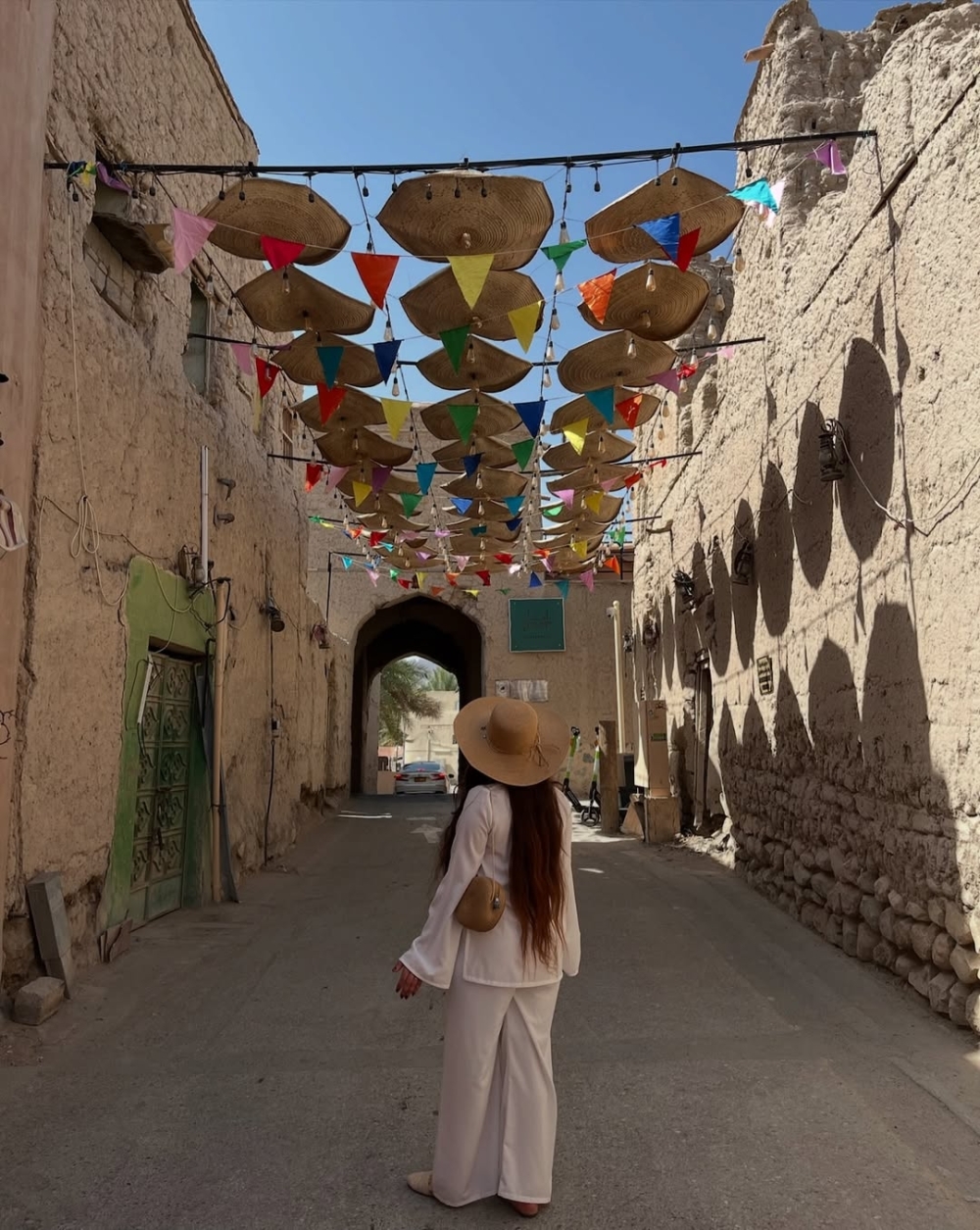
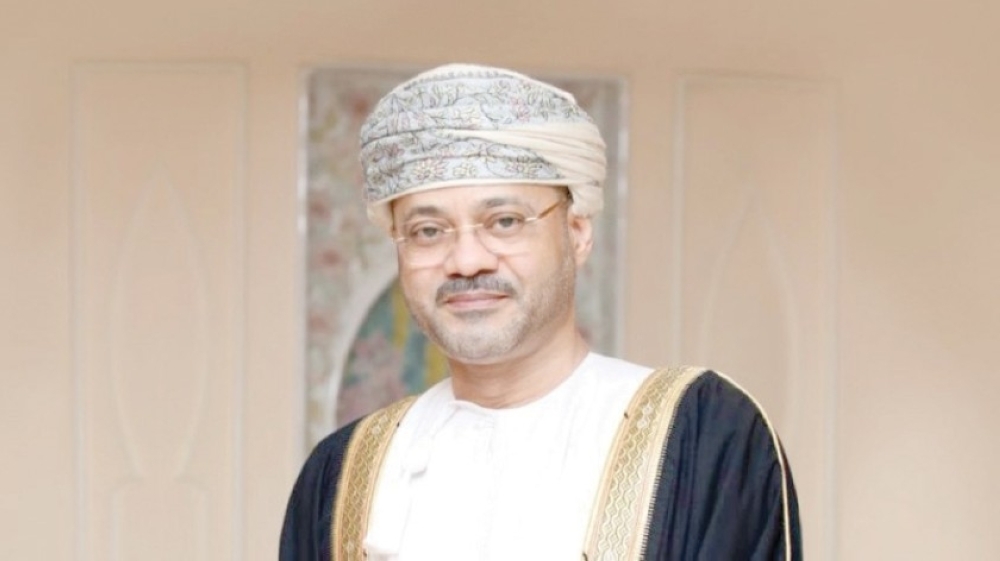
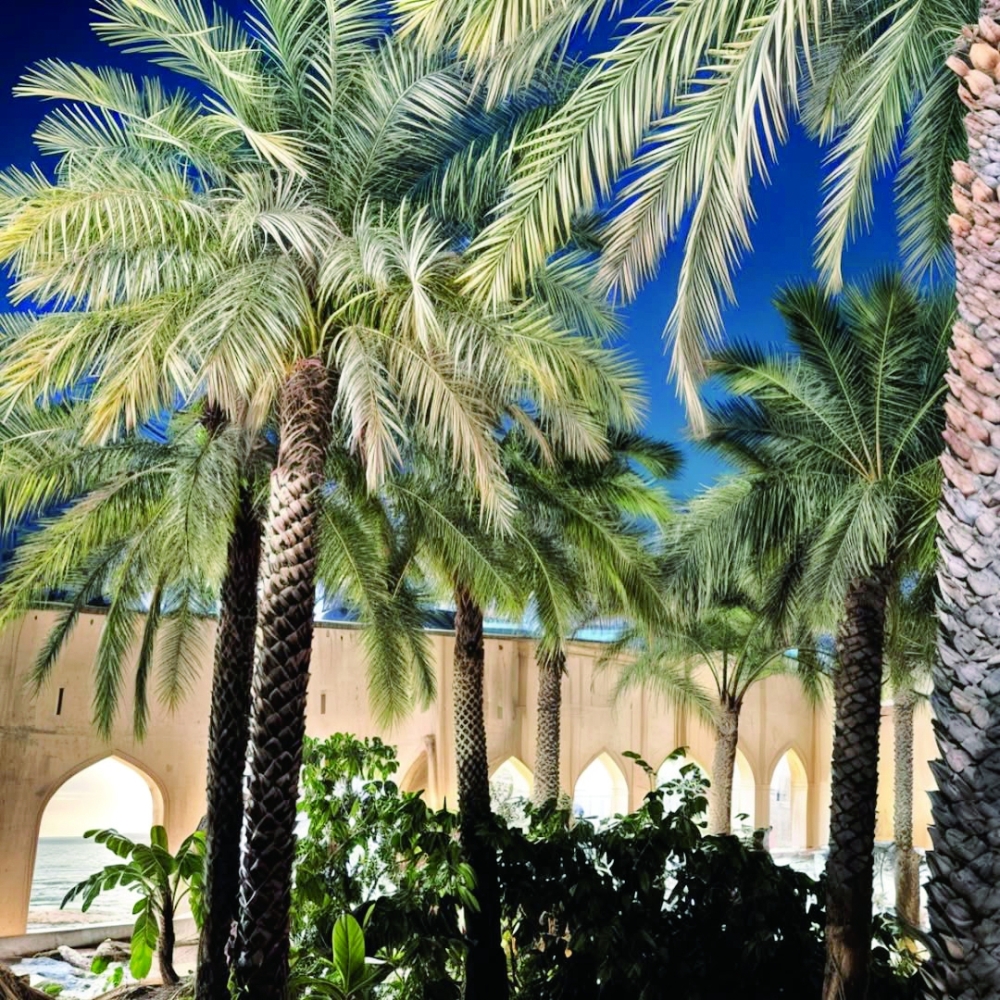
Marwan Al Mahri, an architect and urban planner, explains that these design strategies are the product of centuries of ecological and social wisdom. He notes, “Traditional homes in Oman were adapted to the environment, supporting community bonds and making daily life more resilient.” Native plants in courtyards, shady arcades, and natural ventilation went beyond aesthetics — they created microclimates, conserved resources, and fostered social cohesion.
Yet, in this era of relentless urbanisation, these lessons are more relevant than ever. Modern cities tend to prioritise vehicles over pedestrians, often sacrificing green spaces and community zones. Wide roads and towering commercial complexes dominate urban landscapes, marginalising pedestrians and neglecting the human need for genuine community spaces.
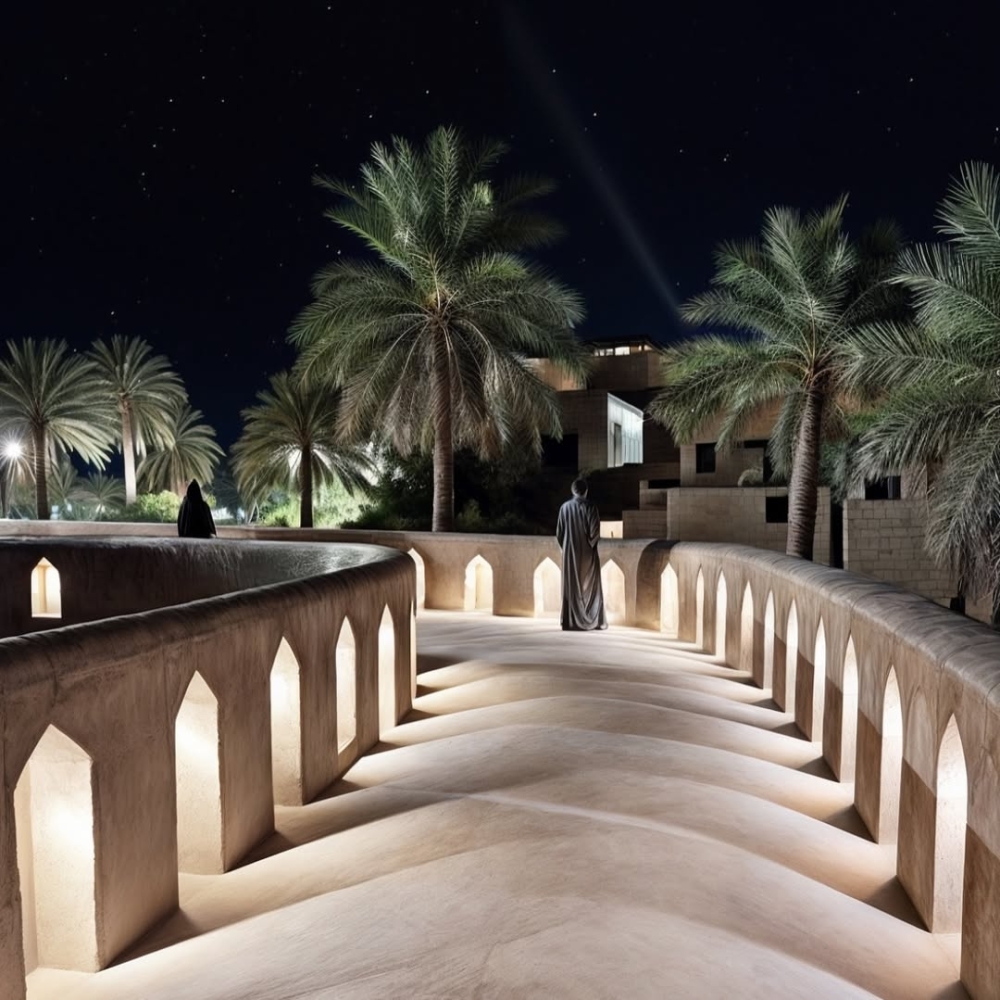
As cities in Oman and elsewhere seek growth, the challenge is striking a delicate balance: how can urban development be modernised without losing the soul of traditional neighbourhoods? The answer, some suggest, lies in integrating these age-old principles into contemporary design. By adopting the concept of accessible shaded streets, central social spaces, and environmentally responsive architecture, modern urban planners can develop cities that serve people's physical, social, and psychological needs.
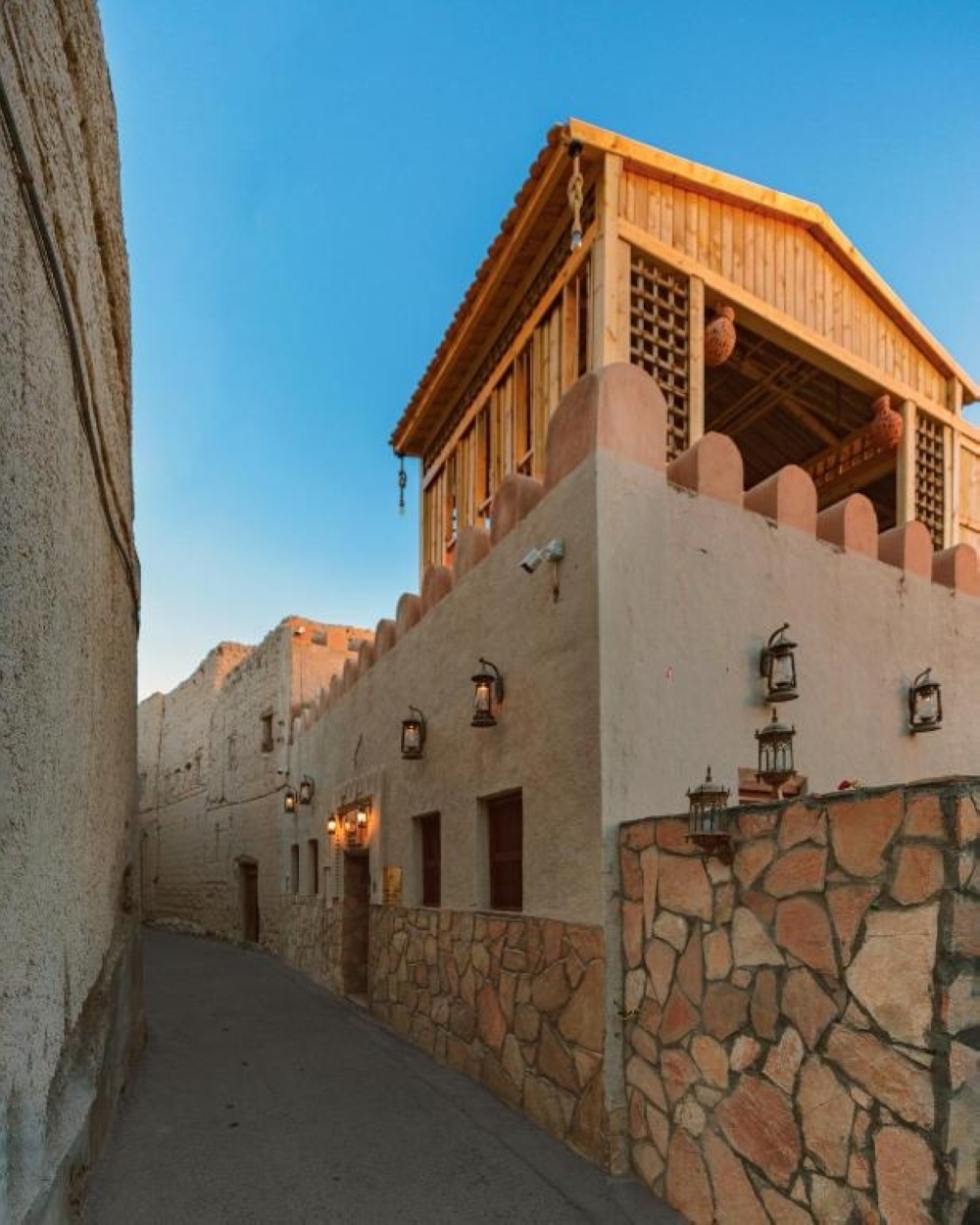
Oman is making strides along this path. The Sultanate’s initiatives demonstrate how heritage-informed design can underpin growth. Projects like Sultan Haitham City exemplify the integration of walkable streets, parks, and community hubs that are rooted in an understanding of local climates and cultures. The city is planned as a model of healthy lifestyles, fostering social interaction through integrated green spaces, pedestrian-friendly streets, and mixed-use developments.
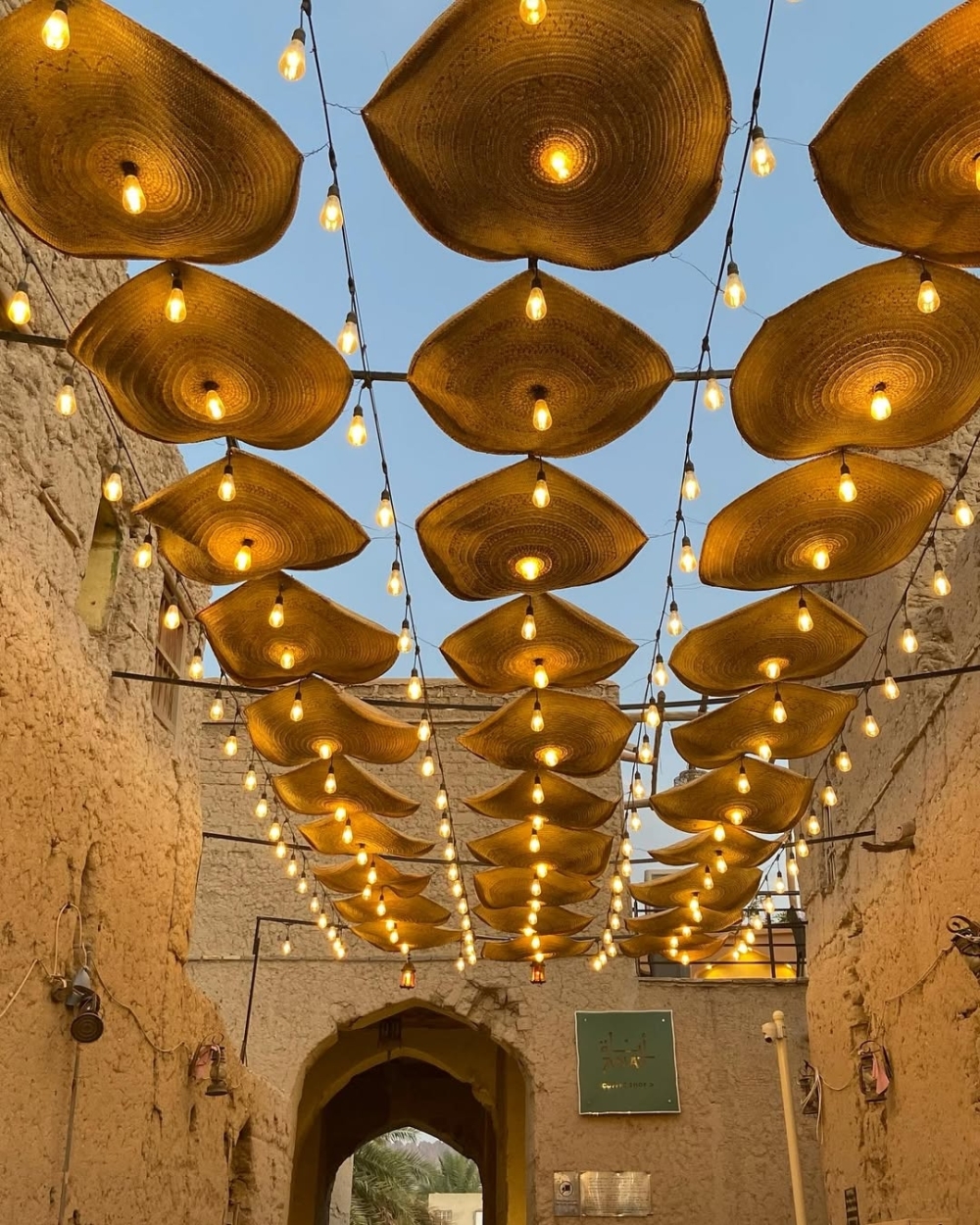
Such design philosophies not only improve urban resilience but also foster a sense of pride and belonging among residents. Al Mahri advocates for the revival of vernacular architecture as a blueprint for sustainable urban development, emphasising that “building cities that reflect our cultural roots and environmental realities is not a step backwards but a path forward.”
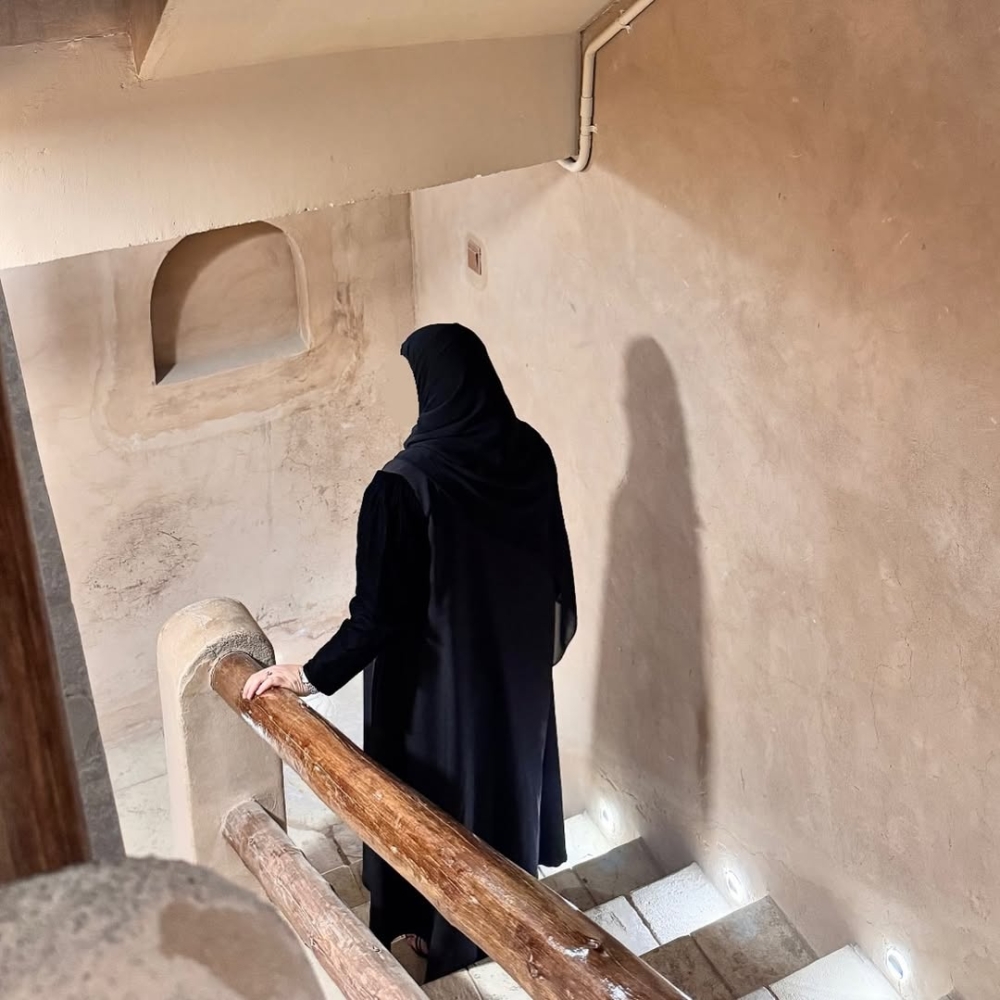
While the world may be rushing headlong into high-rise dreams and sprawling road networks, Oman’s ancient neighbourhoods remind us that the future of city living does not solely depend on new technology or massive infrastructure. It hinges on respect for tradition, environment, and social connectivity.
As the global discourse on urbanisation evolves, Oman’s heritage offers a vital lesson: cities built for people, enriched by their history and ecology, are more than just places to live — they are spaces to thrive and belong.
Oman Observer is now on the WhatsApp channel. Click here