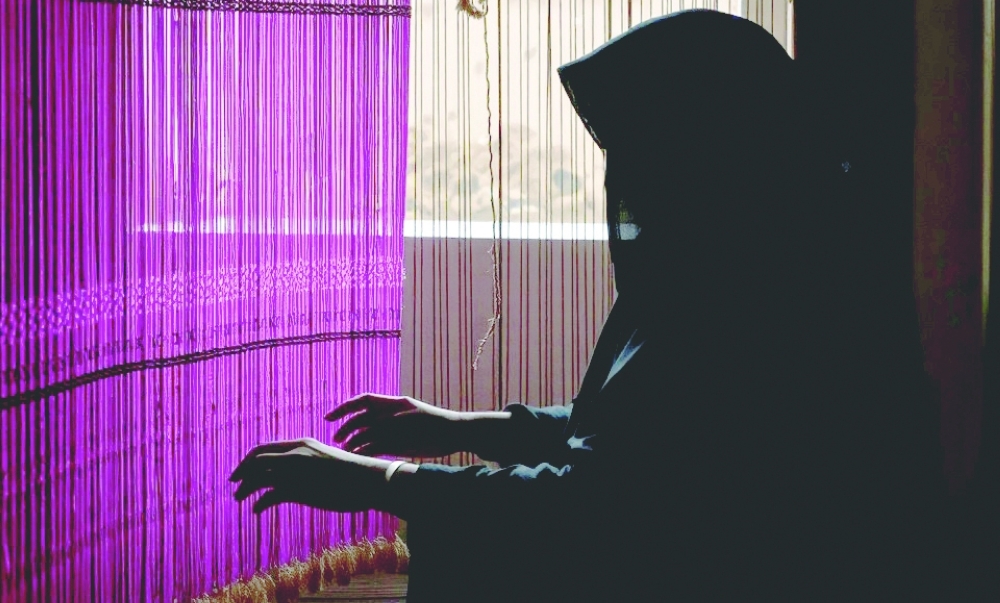





In the quiet town of Samail, a place steeped in history and traditional craftsmanship, Tahira bint Ali Al Diriyah stands as a beacon of cultural preservation. Her work in hand weaving is not only a testament to individual skill but also a vital effort in safeguarding Oman’s rich heritage, especially amid the larger context of the nation’s cultural revival and the ongoing challenges faced by artisans today.
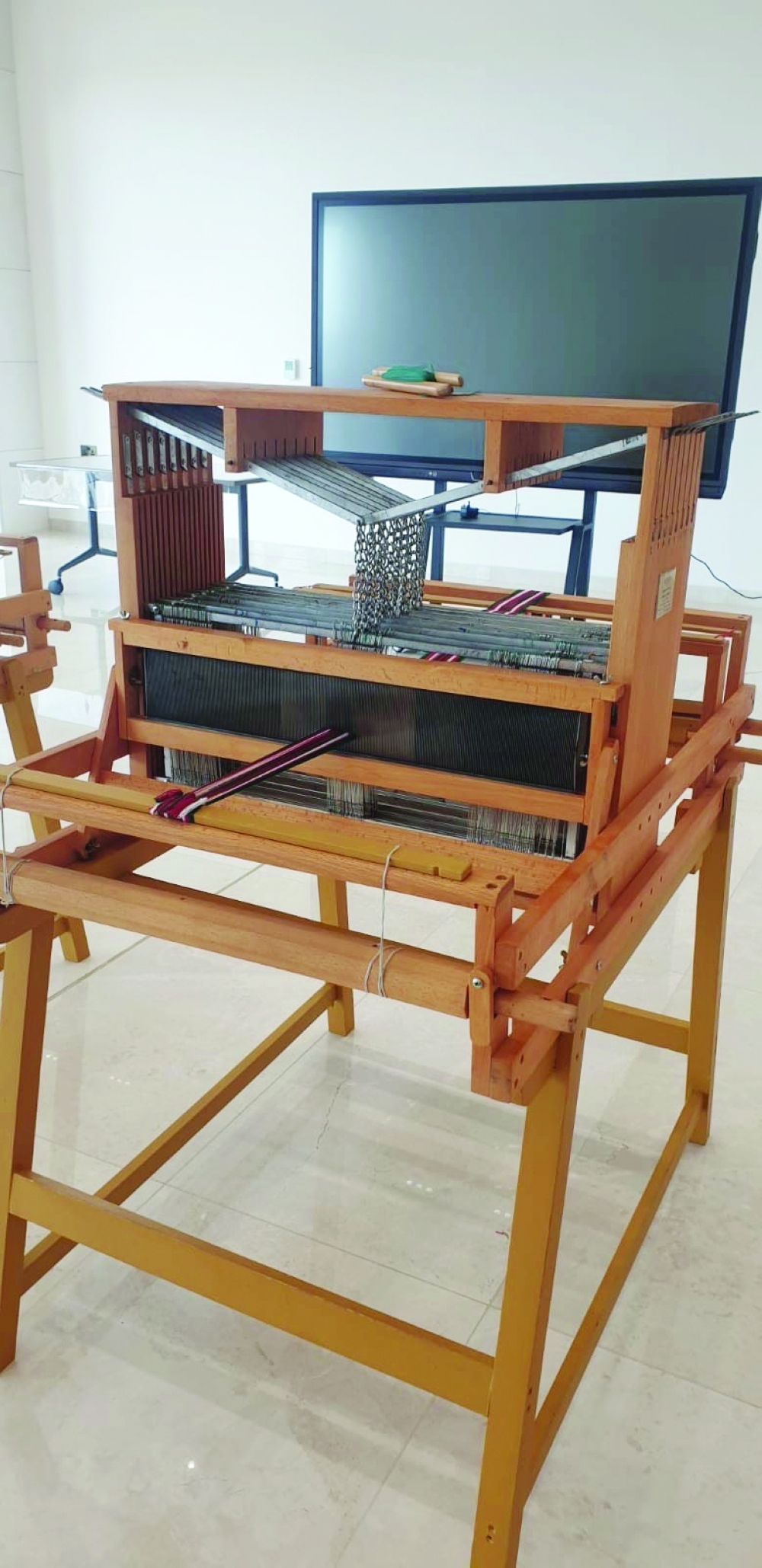
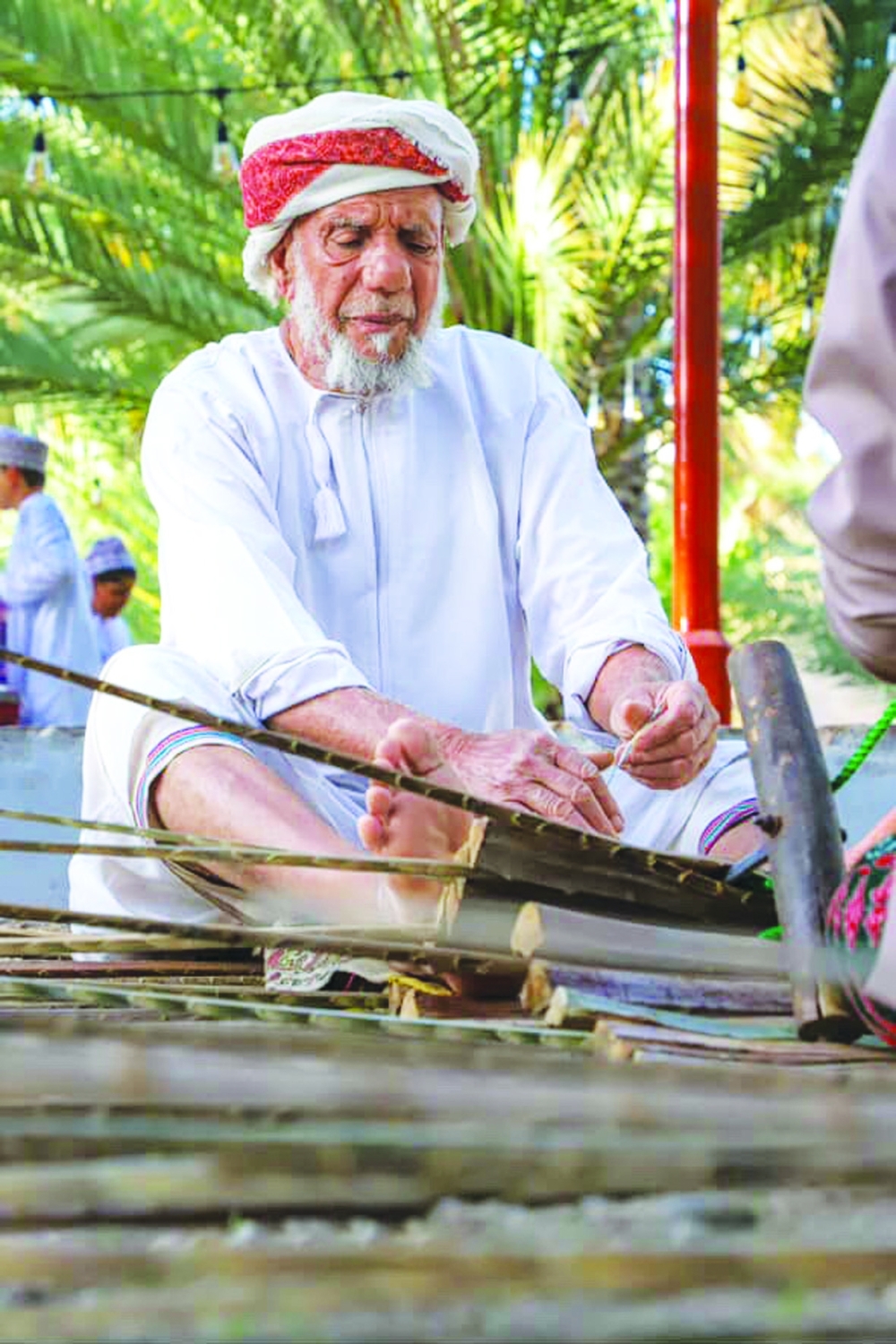
Tahira’s journey began in 2014 when she enrolled in a rigorous two-year programme at the Training and Textile Production Centre in Samail. The course was intensely focused on teaching every nuance of the handloom craft, and she dedicated herself fully to mastering these traditional techniques. Her passion for weaving grew as she extended her training, eventually establishing a modest workshop within her home. Her days were split between intensive training sessions and practical work at her loom, a process that exemplifies sustained dedication.
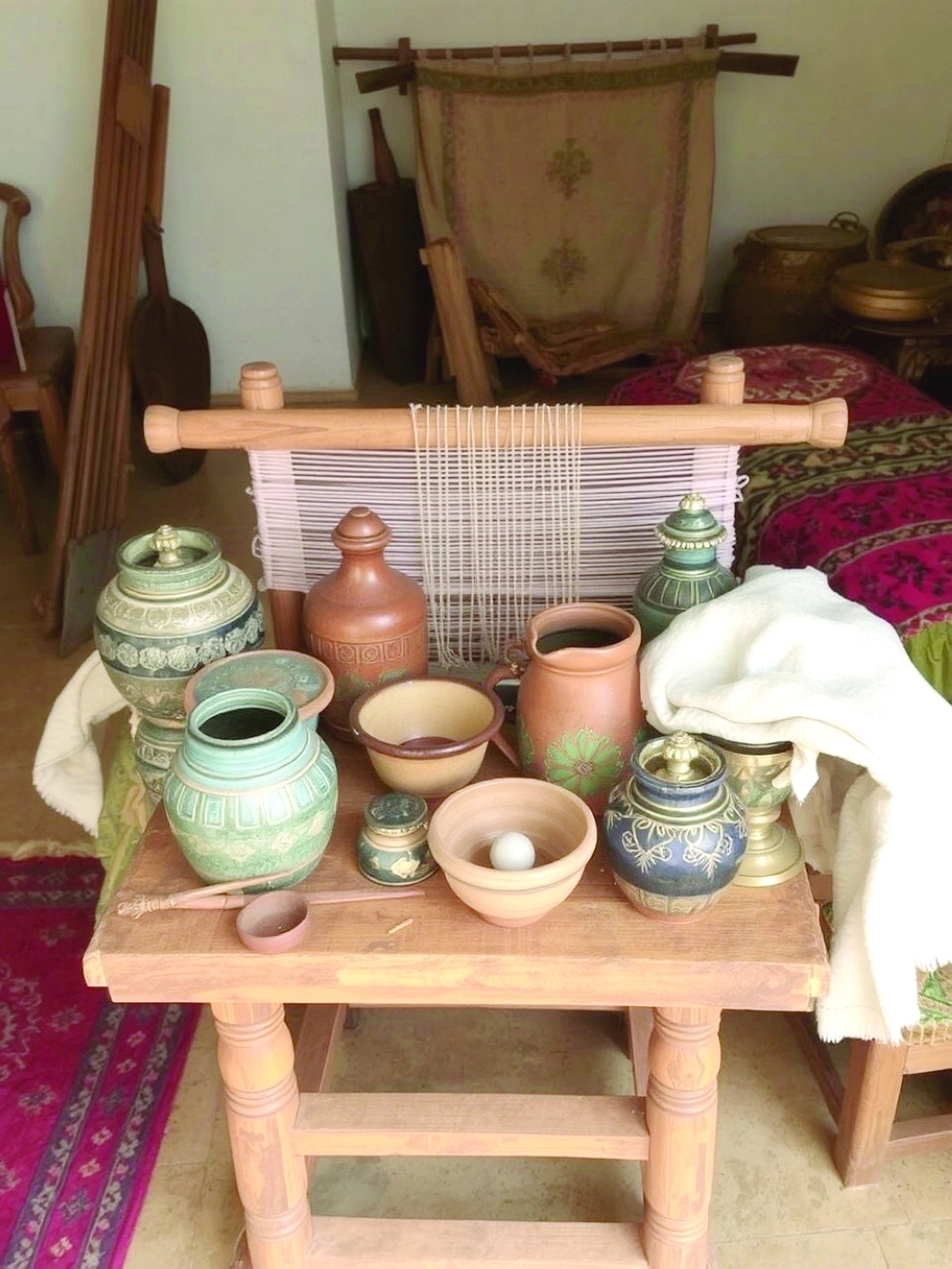
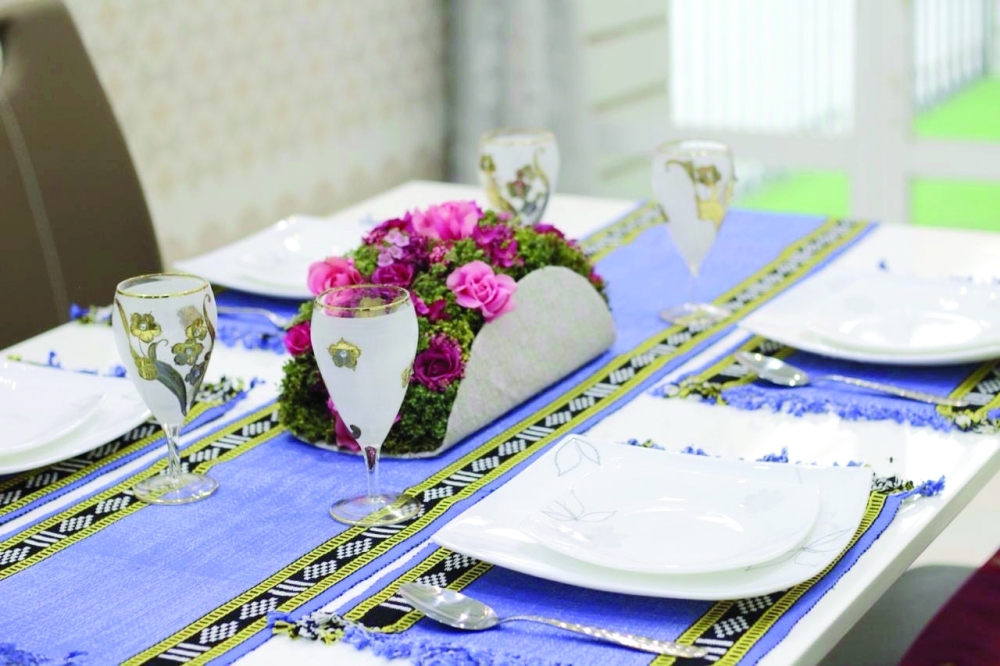
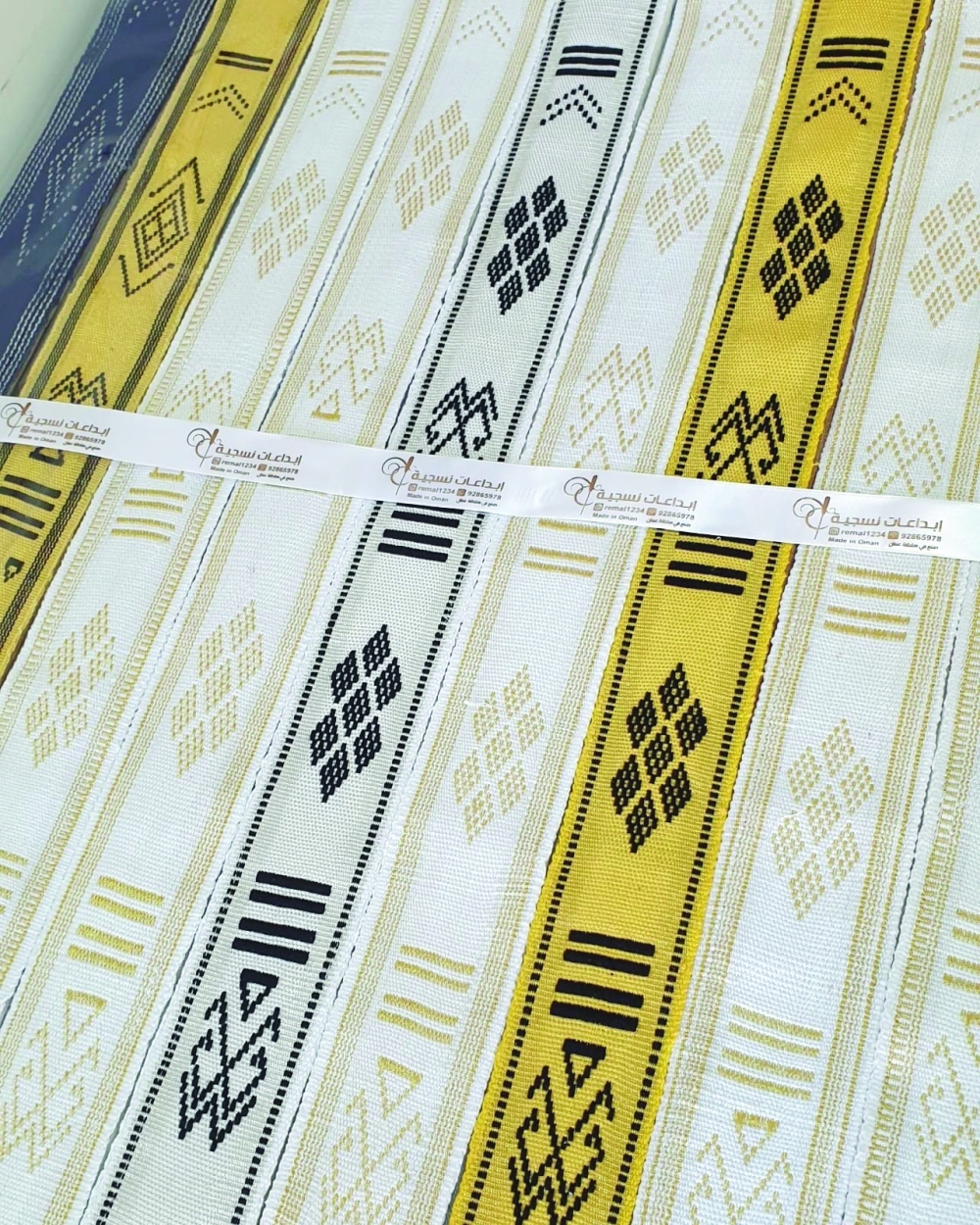
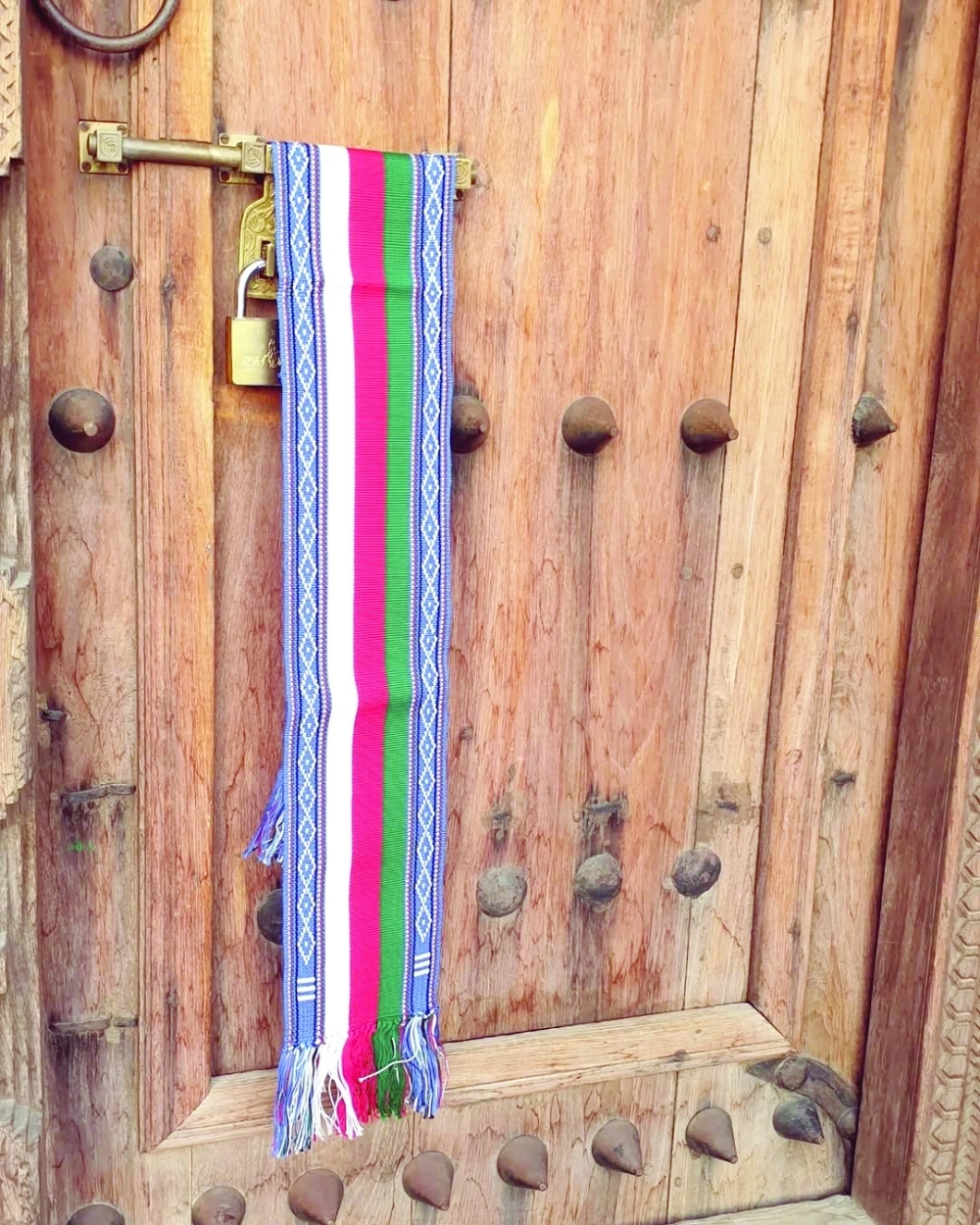
Her portfolio of woven items includes traditional head coverings called sabaiyat, mats, tablecloths, belts, and the distinctive sashes worn with the national khanjar. Each piece reflects meticulous craftsmanship, with geometric patterns that echo the artistry woven into Oman’s cultural identity. Tahira’s creations are more than mere textiles; they are tangible links to the past, symbols of Omani heritage in a rapidly changing world.
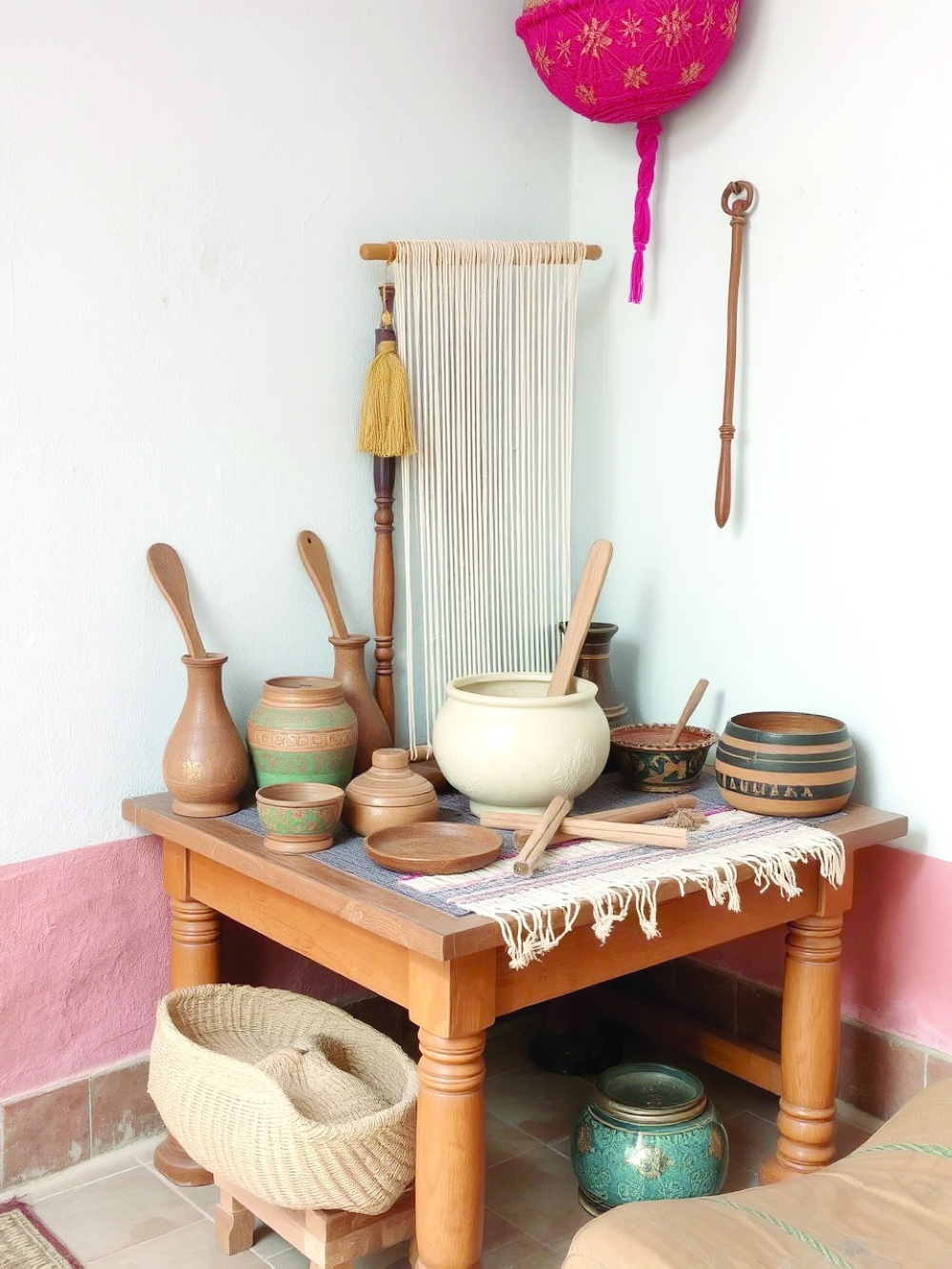
One of Tahira’s most notable achievements was her daring attempt to construct a wooden handloom — revered as a rare feat across Oman. After numerous trials, her success garnered recognition from the Training Centre, which produced a short film celebrating her achievement. Today, she owns several types of looms and has become an influential figure in her community and beyond, even competing in the Sultan Qaboos Award for Craft Excellence with her woven belts and reaching the final stages.
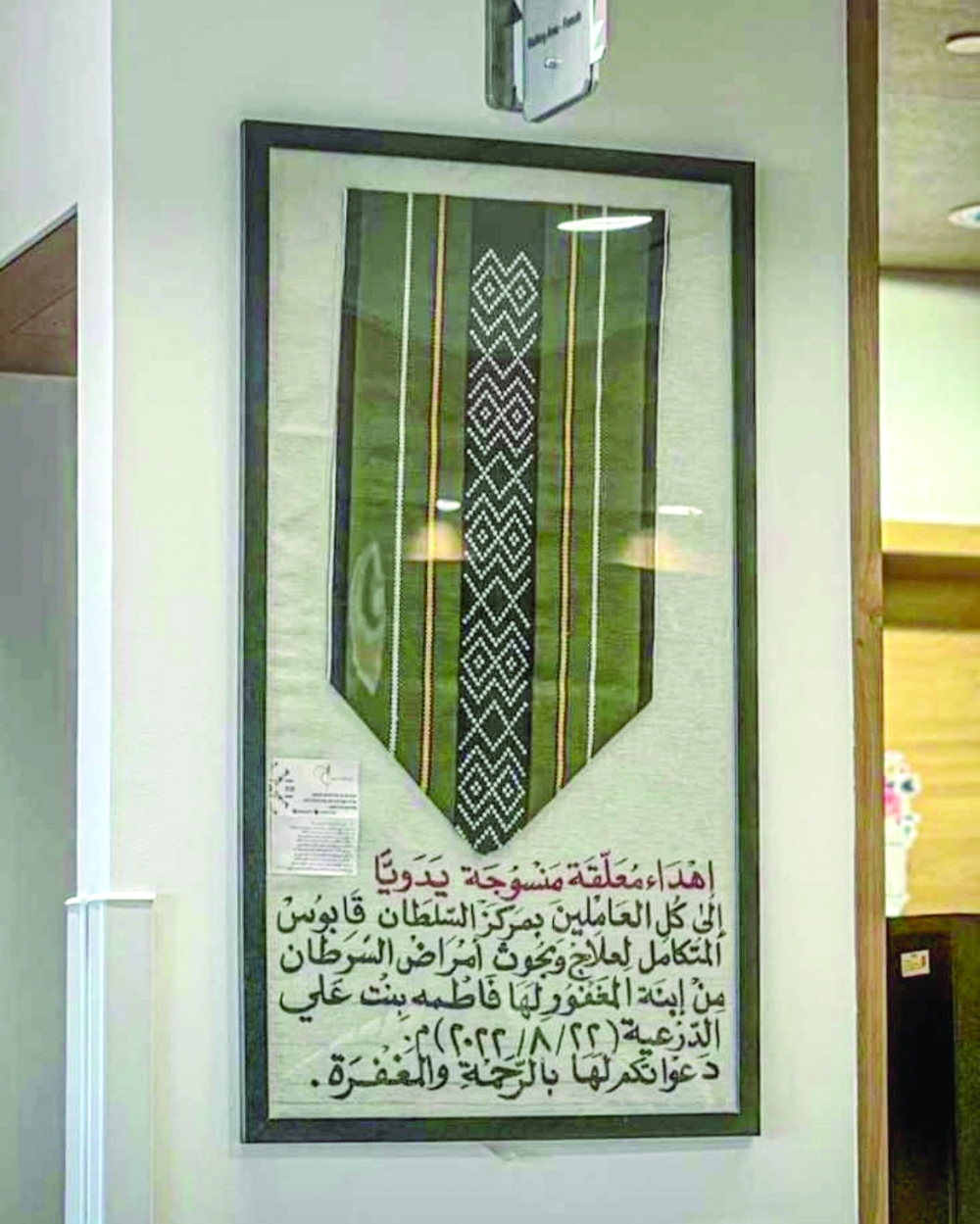
Her efforts have been acknowledged not just locally but internationally. Tahira participated in the World Crafts Council Award of Excellence in Iran, where she was honoured for her wall hangings. Her talent and dedication earned her multiple awards, such as the Best Home Project in the Entrepreneurship Award and recognition by the Ministry of Social Development on Omani Women’s Day. In 2023, she was awarded a special accolade in the Al Roya Economic Award for her work in home-based crafts.
Beyond her craft, Tahira plays a nurturing role as a mentor. She has supervised ten trainees, providing them with looms and guidance, and she has specifically worked with individuals with disabilities, encouraging their creative development. Her contributions extend into education, having conducted workshops at the Oman Across Ages Museum as part of the “Craft” programme, and authored a detailed manual for hand weaving.
In weaving her stories, Tahira employs traditional tools—handlooms, cotton, and zari threads—staying true to the roots of her craft while finding innovative ways to keep it relevant. She also possesses a rare finesse for maintaining and repairing looms herself, ensuring the longevity of her tools and skills.
Yet her journey was not without hardship. Securing a loom initially proved difficult, a challenge faced by many artisans in Oman. Nonetheless, her perseverance paid off, inspiring others in her community. She advocates for the younger generation to embrace traditional crafts, warning that without continual practice, innovation, and transmission, these vital aspects of cultural identity risk fading away.
Oman’s cultural landscape has historically been shaped by movements like the Arts and Crafts Movement in Britain, which emphasised the importance of handcrafted goods and their cultural value.
The movement influenced many artisans worldwide, including Oman’s, fostering a sense of pride and a collective effort to preserve traditional arts. Today, the government actively supports such initiatives through funding, recognition programmes, and educational campaigns aimed at revitalising local crafts.
Nevertheless, artisans face common hurdles—access to quality raw materials, modern market channels, and the high costs of equipment. These challenges threaten the sustainability of their craft, making dedicated advocates and government support crucial.

Tahira’s story exemplifies how individual commitment, paired with supportive policies, can keep cultural professions alive.
Her work underscores the importance of initiatives like the government-funded training programmes, which provide artisans with resources, exposure, and platforms to showcase their skills. These efforts are vital because they help preserve traditional knowledge while encouraging innovation to adapt these crafts to contemporary tastes.
Oman Observer is now on the WhatsApp channel. Click here