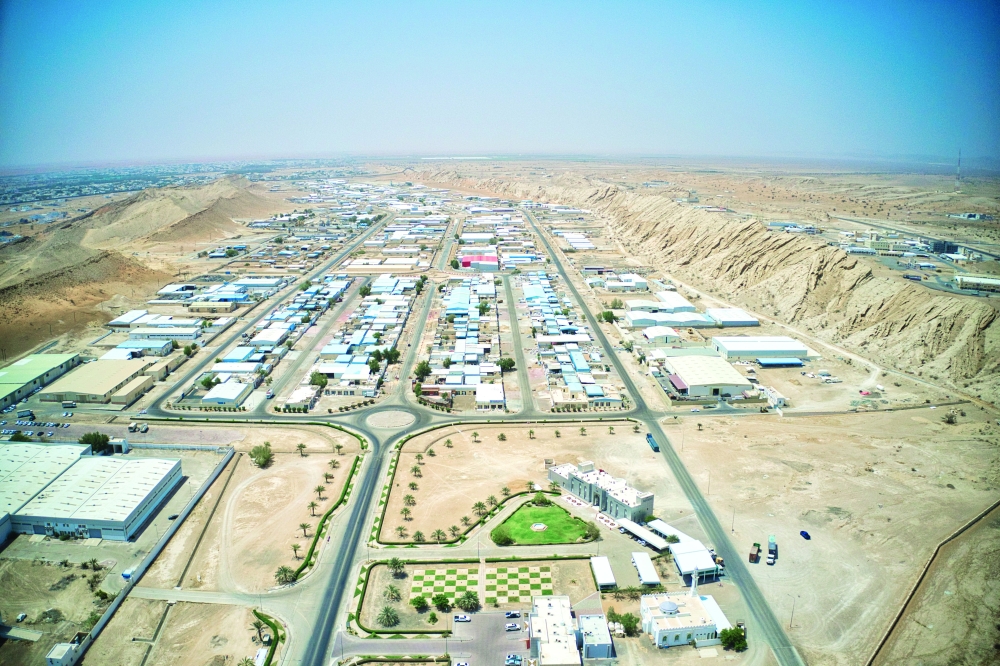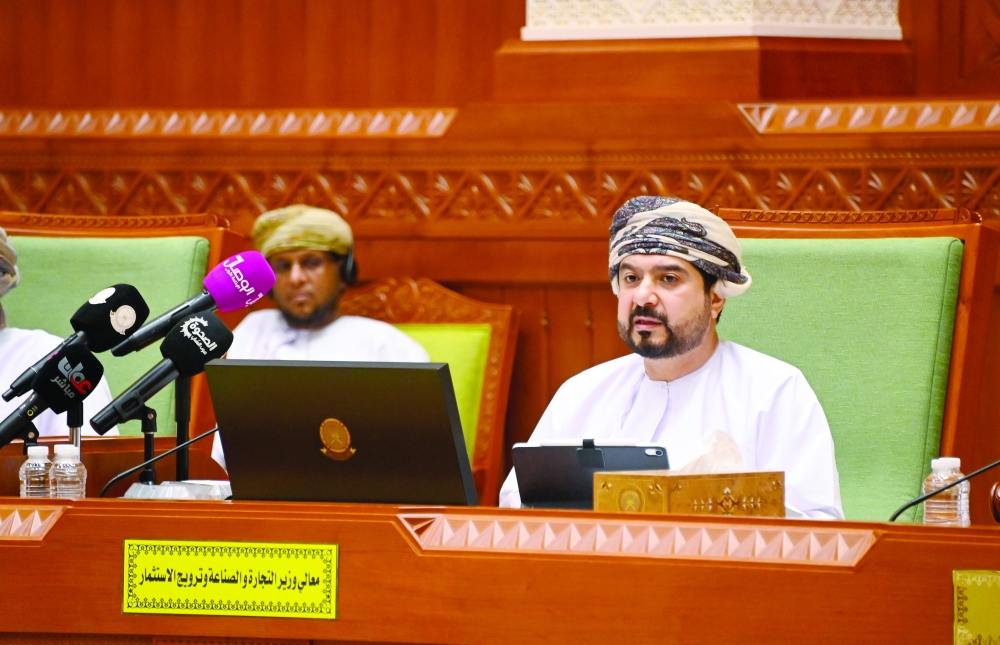





MUSCAT: The manufacturing sector has emerged as a key engine of economic growth in the Sultanate of Oman, recording the highest growth rate among the economic diversification sectors in 2024, according to Qais bin Mohammed al Yousef, Minister of Commerce, Industry and Investment Promotion.
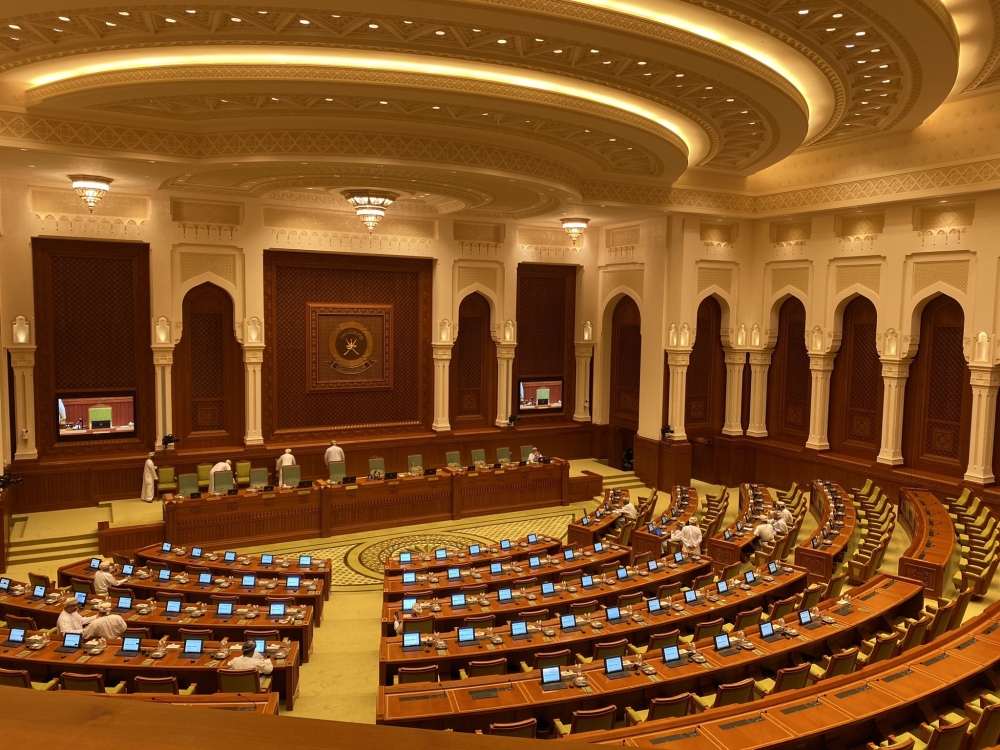
Al Yousef was speaking during the 13th regular session of the Shura Council’s second term meeting on Wednesday, where he presented a detailed overview of the Ministry’s achievements, ongoing projects, and strategic vision. His briefing focused on six major themes: GDP contributions from both public and private sectors, the future outlook of the industrial sector, progress on Ministry projects from 2020 to 2023, evaluation of free trade agreements and the Nazdaher programme, foreign direct investment (FDI) inflows, and future aspirations.
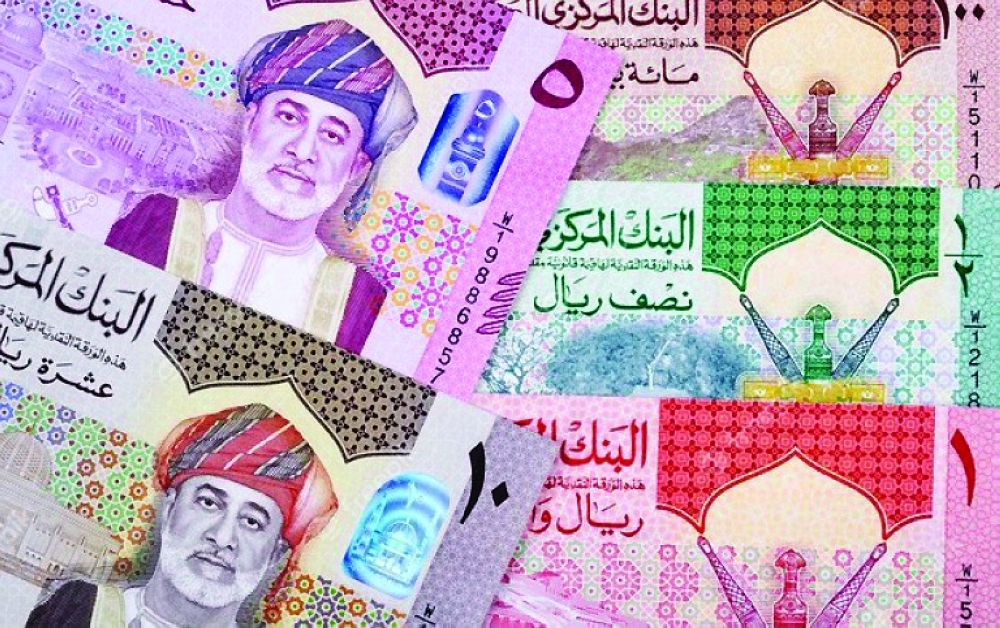
Al Yousef reported that the manufacturing sector achieved an 8.6% growth rate by the end of 2024, with its contribution to GDP at constant prices reaching RO 3.6 billion — equivalent to 10% of the national economy. The sector has also proven its ability to attract investment, drawing RO 2.489 billion in FDI by 2024. This underscores the growing appeal of Oman’s industrial landscape for international investors.
Oman's industrial exports reached RO 6.2 billion in 2024, reflecting the added value and global competitiveness of national industries. Al Yousef emphasised that over 260 initiatives are being implemented in partnership with various stakeholders as part of the 2040 Industrial Strategy.
Further strengthening the regulatory and commercial framework, the Ministry issued 7,523 Omani standard specifications by the end of 2024 and simplified 17 technical services. The "Invest in Oman" platform, launched in February 2023, has so far received around 90 investment applications worth RO 5.38 billion. Of these, 43 projects have already been localised, with a combined value of RO 2.25 billion. These include ventures in key sectors such as manufacturing, healthcare, food security, and renewable energy.
FDI across all sectors has continued its upward trend, reaching a cumulative total of RO 30 billion by the end of 2024. Al Yousef also highlighted the role of digitalisation in simplifying business operations. The "Oman Business" platform handled over 800,000 transactions in 2024 and added 24 new digital services.
To enhance transparency and promote fair competition, the Ministry has introduced measures to combat hidden trade and mandated the use of electronic payment systems across commercial activities. A ministerial decision has also been issued establishing governance principles for closed joint-stock companies.
In support of local economic participation, the Ministry has introduced new regulations to support consumer cooperatives, including incentives such as access to commercial spaces and streamlined registration procedures.
Regarding the digital economy, Al Yousef noted that e-commerce regulations have been implemented and the "Ma’roof Oman" platform was launched to verify and promote online stores. This initiative has led to a remarkable 236.4% increase in e-commerce licences within a year.
The Minister also outlined several flagship programmes initiated by the Ministry. These include:
a. The Industrial Observatory Programme, to monitor sector performance and support supply chains.
b. The Automation and Artificial Intelligence Programme, aimed at modernising factories and cutting operational costs.
c. The Manufacturing Programme (Tasneea) , which focuses on localising procurement and boosting national product content.
d. The Ta’meer Programme, designed to link large-scale urban developments — such as Sultan Haitham City — with domestic manufacturers, enhancing economic integration. — ONA
Oman Observer is now on the WhatsApp channel. Click here