
Saturday, March 14, 2026 | Ramadan 24, 1447 H
clear sky
weather
OMAN
22°C / 22°C
EDITOR IN CHIEF- ABDULLAH BIN SALIM AL SHUEILI
x
Few easy ways out for US as war drags on
Filipinos return home from the Middle East
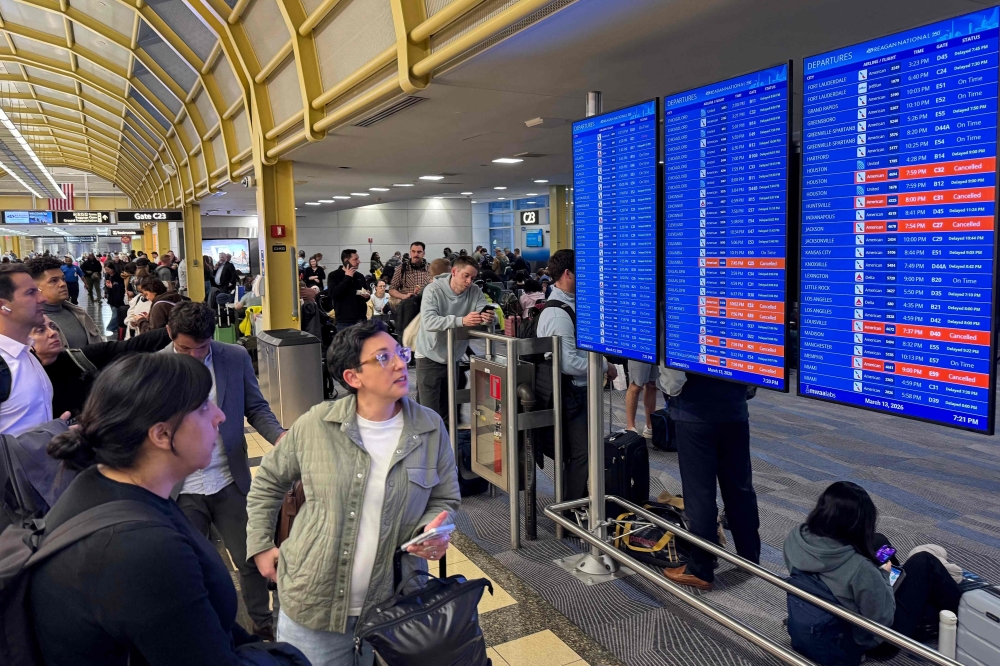
Nearly 6 million air travellers affected due to Middle East disruptions
Five US refueling planes hit in strikes: Report
Iran, US threaten attacks on oil facilities
A building in Dubai's financial district damaged
Alarmed by war's impact on civilians worldwide: UN Human Rights Chief
US sending extra Marines, ships to Mideast: Reports
Strikes shake Iran and Gulf as conflict widens

Nearly 6 million air travellers affected due to Middle East disruptions

minus
plus

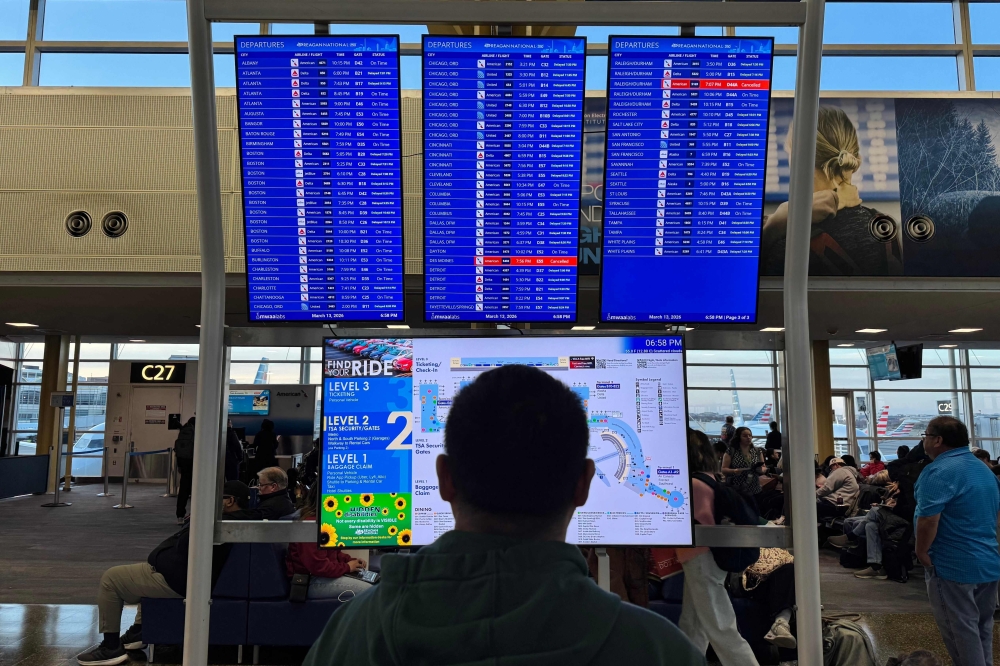
Muscat: Nearly six million passengers have been impacted by flying into and out of the Middle East due to flight cancellations since the start of the Iran war on February 28 until March 13.

According to Cirium Aviation Analytics Company, based on an average load factor of 80% (defined as the number of paying passengers divided by the number of seat-miles flown), airlines reported an average number of 242 seats per flight, noting that some aircraft seat many more passengers (A380s and B777s).

These include cancellations from the Middle East to destinations not in the Middle East, and vice versa, and exclude intra-Middle East flights during the period.

Accordingly, from February 28, 2026, to March 13 inclusive, there were more than 98,000 flights scheduled in and out of the Middle East, with more than 52,000 flights canceled.

It may be noted, as per IATA, International demand rose 5.9 percent compared to January 2025. Capacity was up 5.8 percent year-on-year, and the load factor was 82.5 percent (+0.1 ppt compared to January 2025.

In January this year, the Middle Eastern carriers saw a 7.2 percent year-on-year increase in demand. Capacity increased 7.8 percent year-on-year, and the load factor was 83.2 percent  (-0.4 ppt compared to January 2025).

Willie Walsh, IATA Director-General, said, “We all hope for an early peaceful resolution to the current hostilities. In the meantime, states must respect their obligation to keep civilians and civil aviation free from harm.”


SHARE ARTICLE
arrow up
home icon