




Iran said on Friday it would not discuss the future of its nuclear programme while under attack by Israel, as Europe tried to coax Tehran back into negotiations and the United States considers whether to get involved in the conflict.
A week into its campaign, Israel said it had struck dozens of military targets overnight, including missile production sites, a research body involved in nuclear weapons development in Tehran and military facilities in western and central Iran.
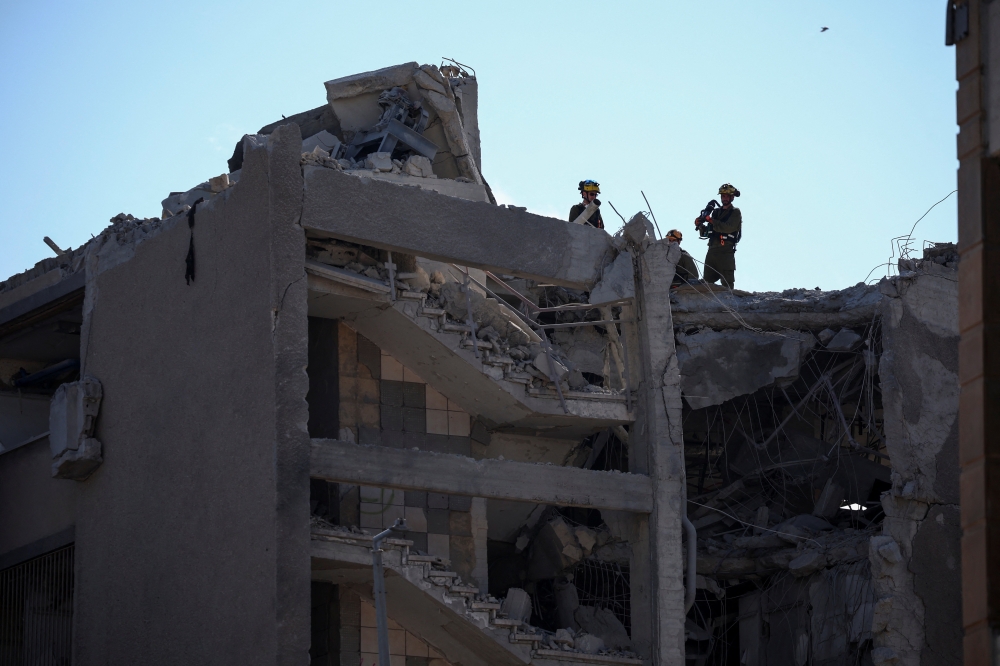
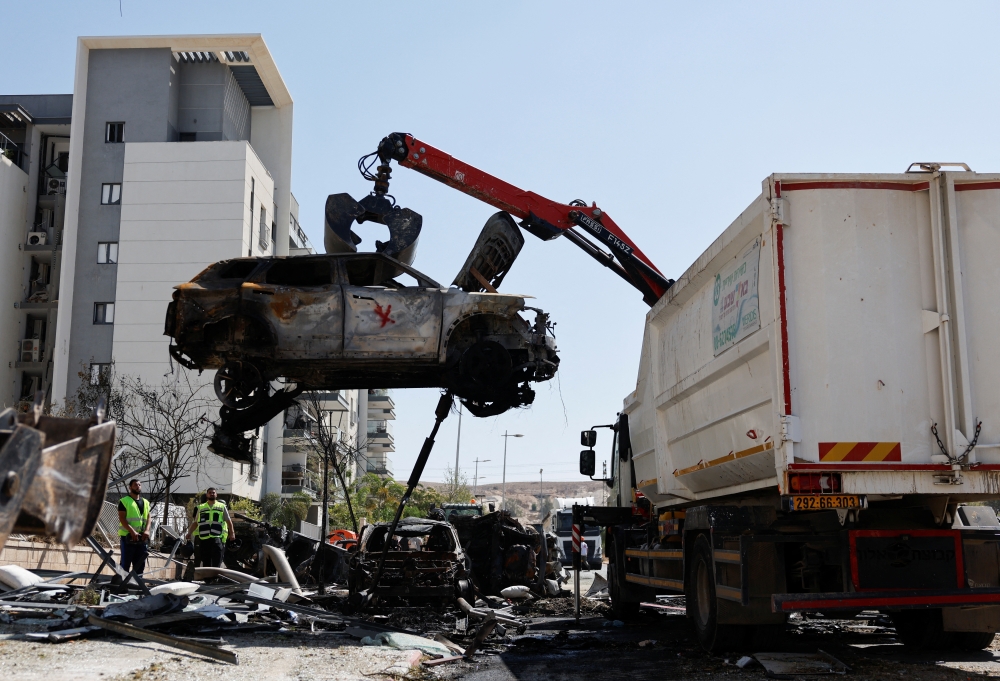
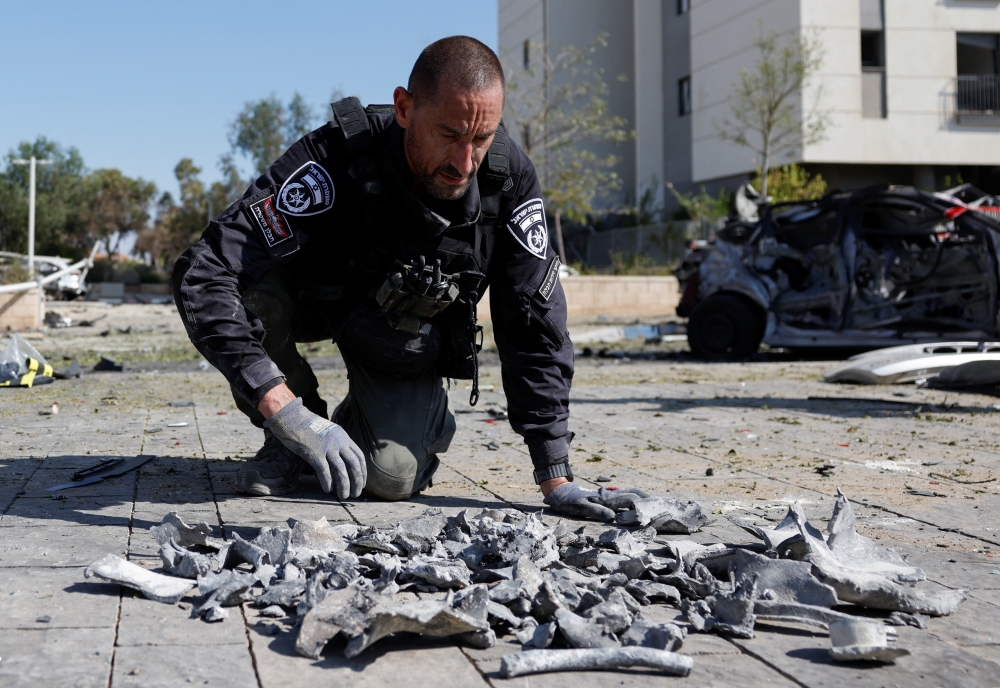
Iran fired missiles at the southern Israeli city of Beersheba early on Friday and Israeli media said initial reports pointed to missile impacts in Tel Aviv, the Negev and Haifa after further attacks hours later.
About 20 missiles were fired in the latest strikes, an Israeli military official said and at least two people were hurt, according to the Israeli ambulance service.
Fars news agency quoted an Iranian military spokesman as saying the latest missile and drone attacks used long-range and ultra-heavy missiles that targeted military sites, defence industries and command and control centres.
In a sign of increasing concern about any strikes on energy facilities in Iran or elsewhere in the Gulf that could affect supplies, Qatar held crisis talks this week with energy majors, an industry source and a diplomat in the region said.
Doha was asking companies to raise governments' awareness of the risks to global gas supply in the US and Europe, they said. QatarEnergy did not immediately respond to a request for comment.
The White House said on Thursday President Donald Trump would decide on US involvement in the conflict in the next two weeks.
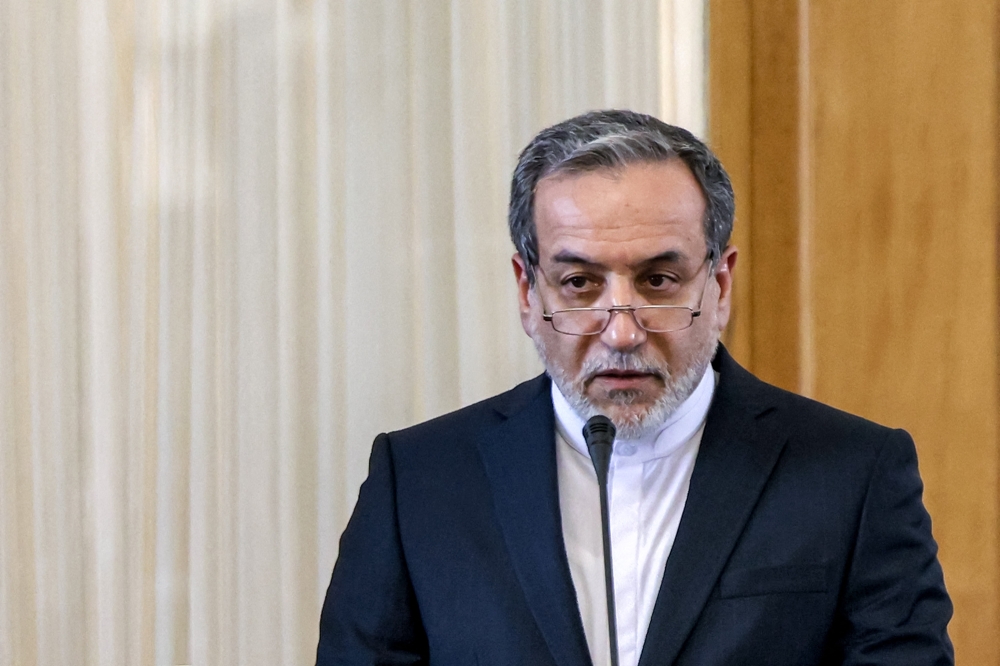
Iranian Foreign Minister Abbas Araghchi said there was no room for negotiations with the US "until Israeli aggression stops". But he later arrived in Geneva for talks with European foreign ministers at which Europe hopes to establish a path back to diplomacy over Iran's nuclear programme.
Before the meeting with France, Britain, Germany and the European Union's foreign policy chief, two diplomats said Araghchi would be told the US is still open to direct talks. But expectations for a breakthrough are low, diplomats say.
A senior Iranian official said Iran was ready to discuss limitations on uranium enrichment but that any proposal for zero enrichment — not being able to enrich uranium at all — would be rejected, "especially now under Israel's strikes".
Israel began attacking Iran last Friday, saying its longtime enemy was on the verge of developing nuclear weapons. Iran, which says its nuclear programme is only for peaceful purposes, retaliated with missile and drone strikes on Israel.
Israel is widely assumed to possess nuclear weapons. It neither confirms nor denies this.
Israeli air attacks have killed 639 people in Iran, according to the Human Rights Activists News Agency, a US-based human rights organisation that tracks Iran. The dead include the military's top echelon and nuclear scientists.
In Israel, 24 civilians have been killed in Iranian missile attacks, according to authorities.
Israel's strikes on Iran's nuclear installations so far pose only limited risks of contamination, experts say. But they warn that any attack on the nuclear power station at Bushehr in Iran could cause a nuclear disaster.
Israel says it is determined to destroy Iran's nuclear capabilities but that it wants to avoid any nuclear disaster.
Before Friday's meeting in Geneva, Arghachi accused Israel of war crimes in an address to the UN Human Rights Council and said Israel's attacks had undermined plans for talks with US officials on June 15 to craft a "very promising" agreement on Iran's nuclear programme.
Israel did not immediately respond to his remarks.
Geneva is where an initial accord was struck in 2013 to curb Iran's nuclear programme in return for sanctions being lifted. A comprehensive deal followed in 2015.
Trump pulled the US out of the agreement in 2018. A new series of talks between Iran and the US collapsed when Israel started attacking Iran's nuclear facilities and ballistic capabilities on June 12.
Trump has alternated between threatening Tehran and urging it to resume nuclear talks. His special envoy to the region, Steve Witkoff, has spoken to Araghchi several times since last week, sources say.
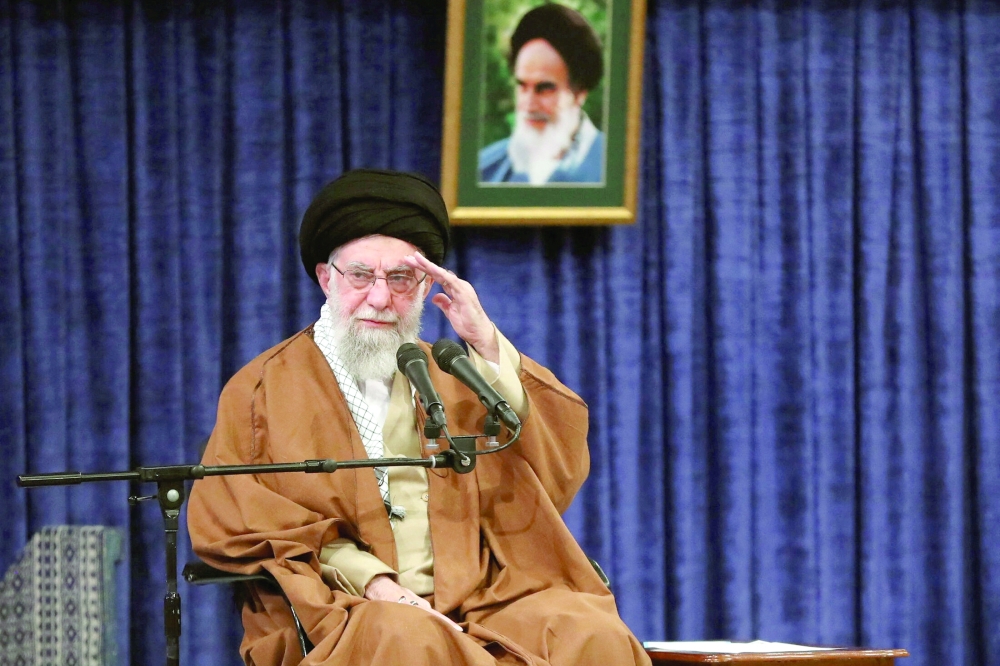
Western and regional officials say Israel is trying to shatter the government of Supreme Leader Ayatollah Ali Khamenei.
Katz said he had instructed the military to intensify attacks on "symbols of the regime" in the Iranian capital Tehran, aiming to destabilise it. — Reuters
Oman Observer is now on the WhatsApp channel. Click here