Retirement is, for many, a time to embark on a new journey after bidding farewell to the fast-paced lives they have led in previous years. It is an opportunity to live a stress-free life filled with choices, allowing individuals to reinvent their lives according to their own preferences.
The truth is that, regardless of how eagerly you anticipate it, retiring from work represents a significant life change that can lead to stress and depression, in addition to its benefits. In fact, some studies have associated retirement with a decline in health.
Although it is an inevitable part of life, coping with change is rarely easy. As we grow older, life can seem to change at an increasingly rapid pace.
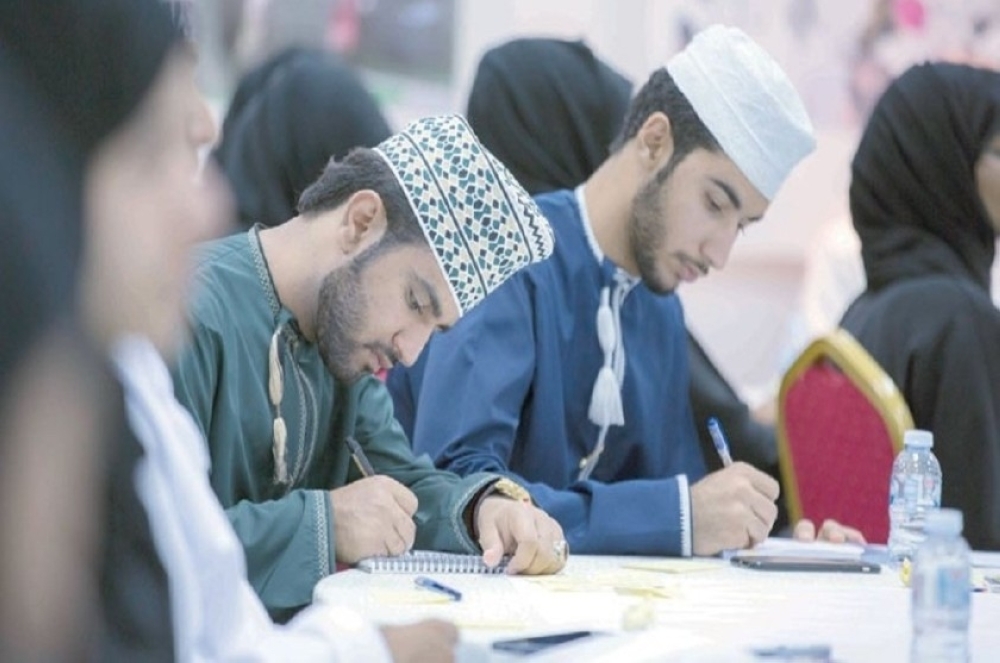
Last week, I attended a conference focused on the lives of retired individuals. A key issue that emerged was the profound impact of retirement on one’s sense of identity and purpose, especially in the initial stages.
In fact, the conference provided an opportunity for me to reflect on the various ways in which the human mind perceives retirement and time. I reconnected with many old friends and acquaintances while also making connections with several new people.
When one participant was asked what he missed after his retirement, he replied that he missed absolutely nothing about the work itself, but he did miss the people and the friendships.
In normal sense, a retired life refers to the stage in a person's life when they have permanently ceased working, typically due to age or health considerations. This period represents a time of transition and change, providing an opportunity to explore personal interests, spend more time with loved ones and engage in leisure activities.
From my own experience and conversations with many individuals who still hold regular jobs, I believe we often fall into a routine where each week resembles the one before it, each month mirrors the previous month and before we know it, years have passed, each one looking much like the last.
Retirement can completely transform your life. It’s akin to receiving a second chance at living. Therefore, it is essential to approach retirement in good health, with a positive mind-set, mental clarity and financial stability.
I believe the key to a fulfilling life is to keep it active and varied while celebrating each day along the way. One must live with awareness; otherwise, before you know it, you may find yourself wondering where all the time has gone. Life is a long series of millions of moments.
According to studies, one significant change in retirement life is the increase in life expectancy, attributed to advancements in healthcare. Individuals over the age of 60 are living longer and enjoying healthier lives compared to previous generations.
A recent Pulse Poll conducted by Mercer in partnership with the World Economic Forum found that “a 100-year life is now within reach for many people, with children born today in middle-income countries having over a 50 per cent chance of living for more than a century.”
Life expectancy is increasing globally, according to the report. Between 2000 and 2019, it rose from 66.8 years to 73.4 years, as found by the Pulse Poll.
This extended lifespan means that retirement is no longer merely a few years of rest; instead, it often encompasses a two- to three-decade phase of active living, thanks to improved healthcare management. This allows retirees to stay physically and mentally engaged, prompting many to pursue new hobbies, travel, or even embark on second careers, challenging the traditional notion of retirement as a period of inactivity.
However, the Pulse Poll revealed that while individuals value longevity, they also have significant concerns. For example, four out of ten respondents expressed a desire for a clearer understanding of their financial situation in retirement. Additionally, only 45 per cent of those surveyed believe they have saved enough for their future.
If we consider the insights of Richard Nuzum, Executive Director of Investments and Global Chief Investment Strategist at Mercer, as he states, “Ultimately, what’s needed is longevity literacy that extends beyond financial planning to empower individuals to lead healthy, resilient and sustainable lives.”
Oman Observer is now on the WhatsApp channel. Click here