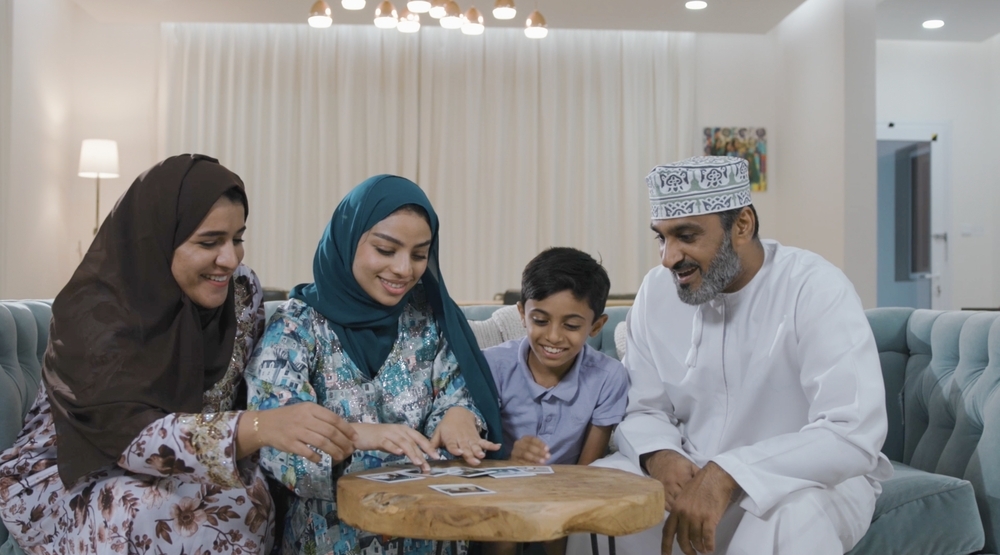
I recently participated in a panel discussion about how to care for an elderly parent. The event was attended by healthcare workers, caregivers and concerned family members who shared their experiences of caring for elderly parents.
What stood out to me was how deeply personal the topic is and how many people quietly struggle with the responsibility of caring, especially when caregiving is done by one person.
In Middle Eastern cultures, caring for an elderly parent is not just a moral duty, it’s a cultural and religious expectation. The Quran reminds us, “And your Lord has decreed that you not worship except Him, and to parents, good treatment... say not to them (so much as) ‘uff’ and do not repel them but speak to them a noble word” (Surah Al Isra, 17:23).
And the Prophet Muhammad, peace be upon him, once said that after prayer, the most beloved deed to Allah is being good and dutiful to one’s parents. These teachings highlight how deeply rooted this responsibility is in our faith, not just as an act of service, but as an act of worship.
In contrast, Western societies often normalise the idea of elderly parents moving into care homes when they can no longer live independently. In many Arab countries, however, this is still considered taboo and against religious beliefs. Even when the ageing person needs full-time and support, adult children take on this responsibility at home while juggling other duties such as bringing up their own children, progress in their careers, and manage their personal lives.
Sometimes care giving presents complex ethical challenges. One caregiver in the audience shared a painful situation about her father who was diagnosed with Alzheimer’s disease yet insisted on continuing to drive his car. He had frequent episodes of confusion which made him forget where he parked his car or drive aimlessly and losing the way to return home. The family was reluctant to take away his car keys as it felt like taking away his dignity and independence. But at the same time allowing him to continue driving posed serious safety risks. Navigating such a situation requires honest conversations, medical guidance, and sometimes, difficult decisions that may go against the parent’s wishes.
During the panel, we discussed the importance of early planning and not just waiting until a crisis hits, like a fall or sudden hospitalisation. Proactive communication allows families to approach care with clarity and compassion, respecting both the parent’s wishes and the caregiver’s capacity.
Many people feel guilty or ashamed to reach out for help even when they feel stressed. But care giving, no matter how noble, should never be endured alone.
Sharing responsibilities among siblings, involving extended family, or hiring trained professionals can make a significant difference in maintaining the caregiver’s own health and emotional resilience.
Caring for an elderly parent is one of the most profound acts of love - but it also requires wisdom, boundaries, and support. As our population ages, these conversations need to happen more often and more openly - not just within families, but in our communities as well.
Oman Observer is now on the WhatsApp channel. Click here