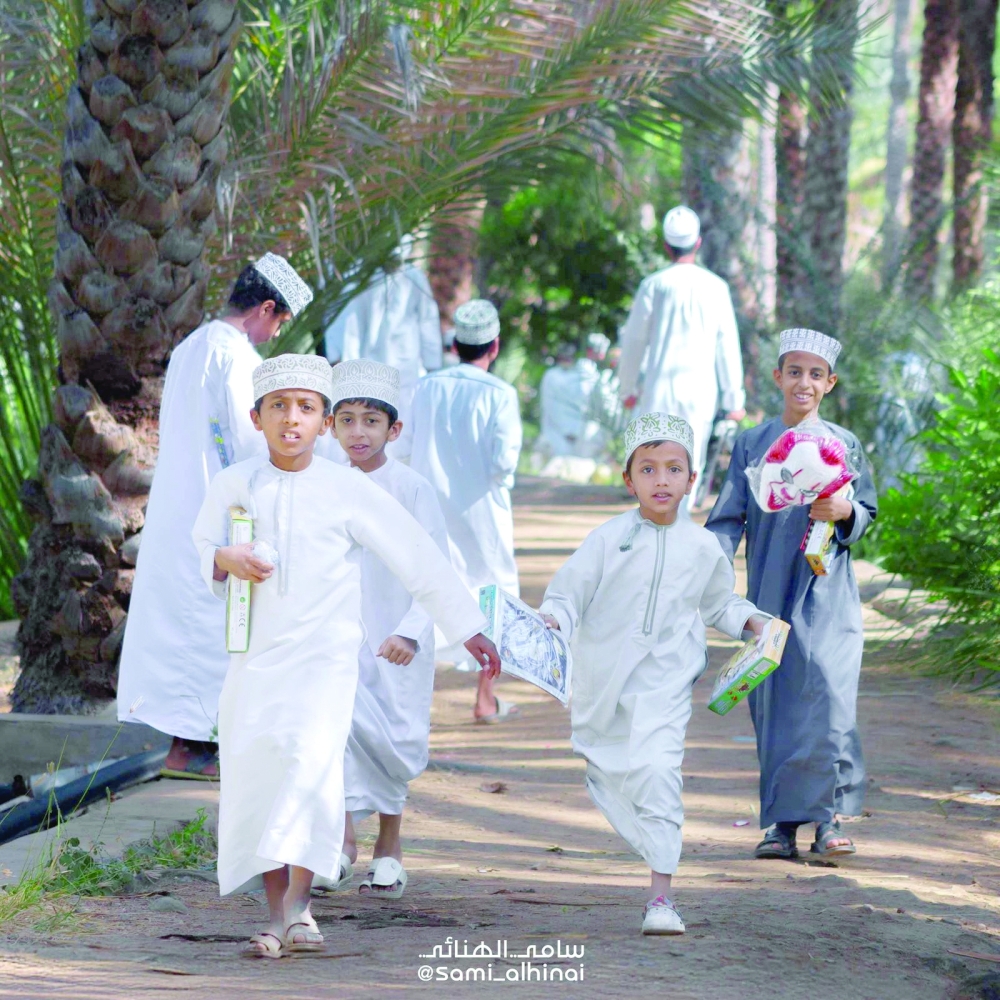





There might be challenges in life, but come Eid, they must be overlooked, and the festival must be celebrated.
The nation will now see the sharing of Eid greetings.
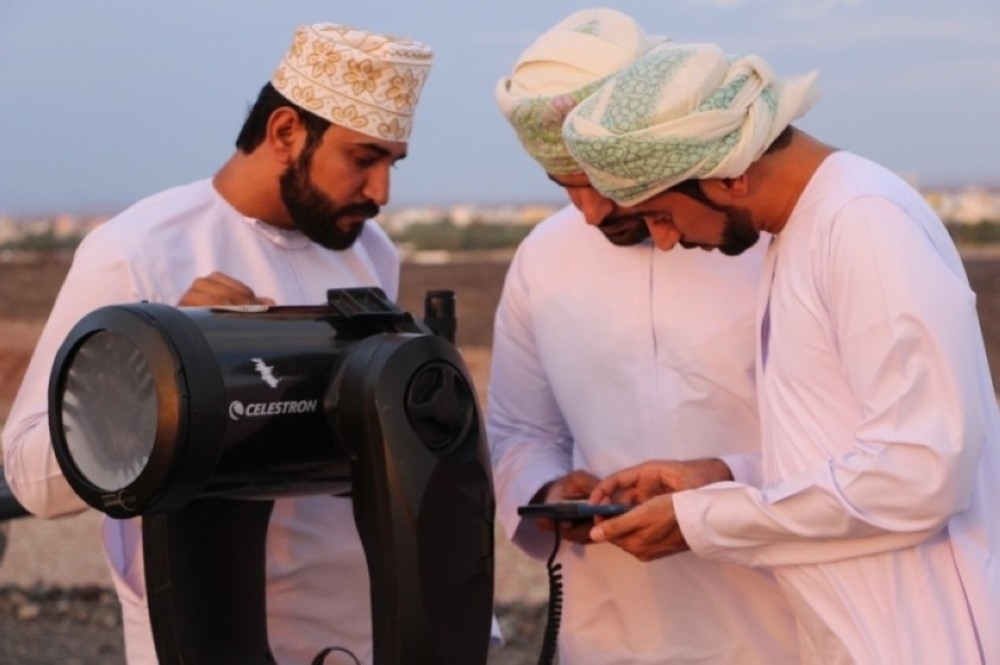
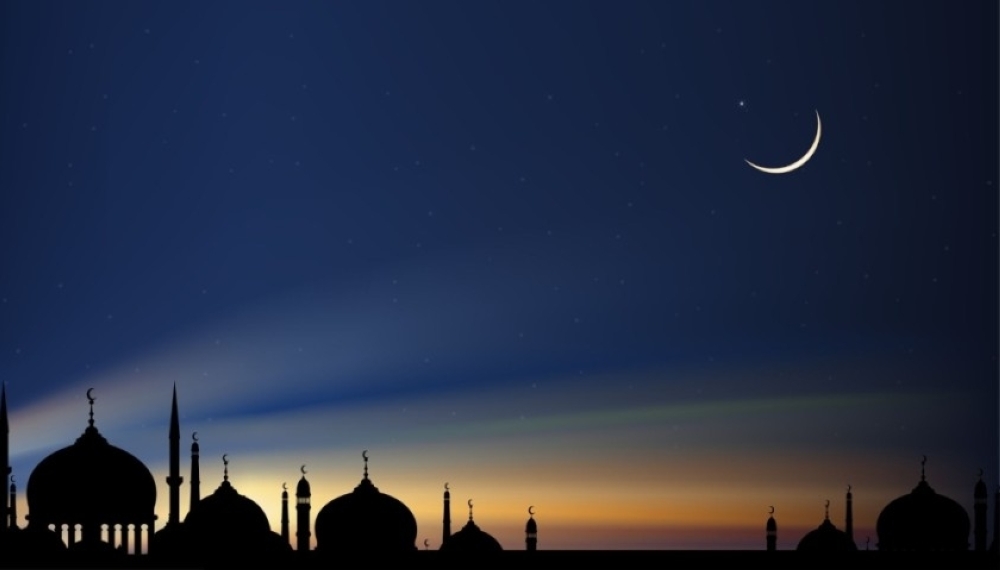
There might be time differences across the globe; the moon might be sighted on different days and locations, but the spirit of Eid al Fitr means happiness and sharing.
Everyone who fasted through the holy month of Ramadhan has practiced self-control and discipline. Now it is time to celebrate and, at the same time, practice gratitude for all the blessings of life.
The blessings also mean the ability to practice generosity and be able to share with others.
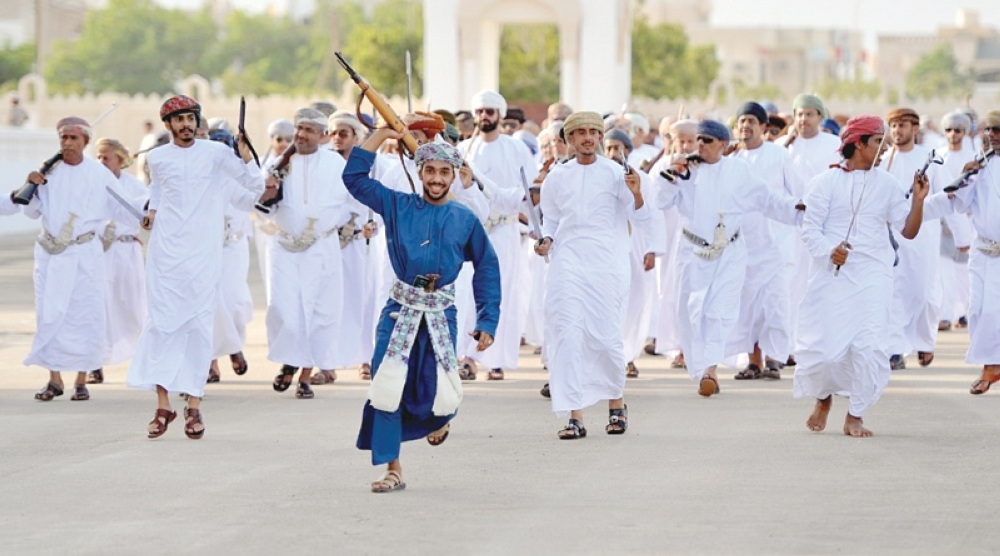
The zakat is performed before Eid prayers, making sure everyone, one way or the other, has the capacity to rejoice on this day. The day begins early with everyone - the young and the elderly - waking up and getting ready for Eid prayers, wearing new clothes.
The Eid prayer, Salat al Eid, is performed in congregation in mosques or open grounds.
The households emit various fragrances of frankincense and bakhoor (incense).
“The first thing I look for on Eid is bakhoor. There are many fragrances. But the best for me and for many is Oud,” said Rahma Mohammed al Ismaily.
“My favourite Eid dish is the kabouli meat,” she added.
After prayers comes Eid breakfast, and the popular dish is arsia, explained Younis al Battashi.
“Then comes Omani coffee, halwa, and other Omani desserts and fruits,” he said.
Each Eid becomes a memory to cherish.
Radhiya al Ruzaiqiya says her favourite aspects for Eid are “family gatherings, visiting family members, and eating sweets, especially halwa and meat dishes such as kaliya, meshakeek and shuwa.”
Narti works in Oman, but has been with her family in Indonesia during Ramadhan and is now all set to celebrate Eid there. “On this day all the people gather to perform Eid prayers in a mosque. All mosques will be full. And after that, it is time for ketupat brunch. Ketupat is a rice cake, and we only eat it during Eid,” Narti pointed out.
The festival of breaking the fast is also, in a way, a celebration of achievements.
Eid al Fitr in Oman also has a special significance for children because of the custom of Eidia. The elders in the family prepare much in advance by collecting fresh notes from the banks to gift the children.
The Islamic scholar, the late Shaikh Khalfan al Esry used to call Eid al Fitr a graduation because the month of Ramadhan was an opportunity to cleanse and learn; now upon completion, it is time to practice what was observed and learned in the last 30 days.
It is a celebration of a new beginning.
Oman Observer is now on the WhatsApp channel. Click here