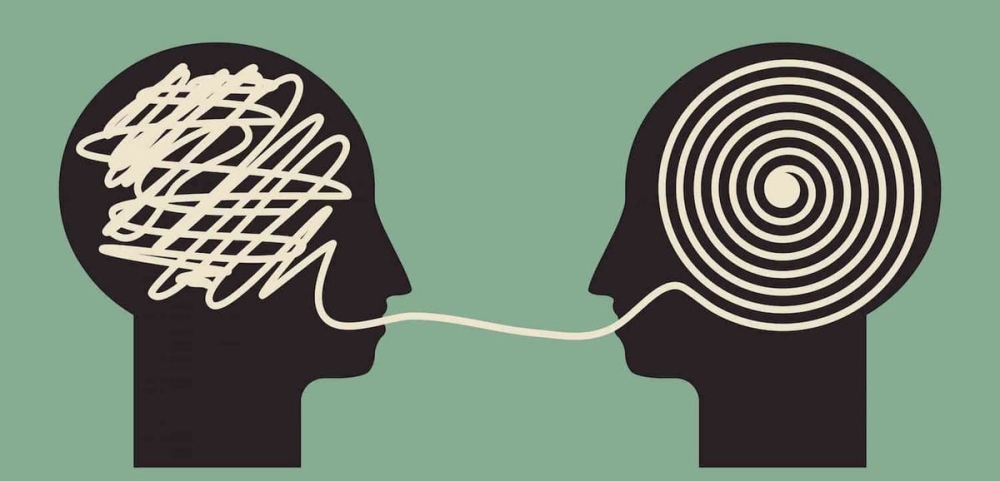





A 34-year-old man came to my clinic saying he struggles with meeting deadlines, staying organised and focusing during meetings at work. He changes jobs frequently, often forgets appointments, and makes impulsive decisions in relationships which leaves him overwhelmed and frustrated. As a child, he was always 'hyperactive' and 'easily distracted,' which affected his confidence and performance but he was never formally diagnosed with ADHD.
A recent study published in The British Journal of Psychiatry revealed that adults diagnosed with attention-deficit/hyperactivity disorder (ADHD) have a significantly reduced life expectancy — 7 years shorter for men and 9 years shorter for women — compared to those without the condition.
This disparity was explained by other factors such as smoking, unmet mental and physical health needs, and lack of adequate treatment and not the presence of the ADHD diagnosis alone.
The study also showed that adults with ADHD are more likely to be unemployed, face financial difficulties, encounters with the criminal justice system and homelessness. They are also more likely to have a higher risk of suicide, premature death and risky behaviours such as smoking, substance use and alcohol consumption.
So, what can be done to improve the quality of life of people with ADHD?
The first step is to enhance public and professional awareness about the condition. Most people believe that ADHD only occurs in children and that the symptoms are mainly related to hyperactivity. However, it often persists into adulthood with some changes in the symptoms observed in children. While hyperactivity tends to diminish with age, inattention, impulsivity and emotional dysregulation become more prominent. These challenges can severely impact a person’s ability to maintain stable employment, relationships and a sense of self-worth.
Raising awareness can help reduce the stigma surrounding ADHD and encourage individuals to seek help. Early diagnosis and intervention are critical in managing the condition effectively.
Unfortunately, many adults with ADHD go undiagnosed because they believe their symptoms are due to personal failings or because healthcare providers fail to recognise the signs.
Medication can help regulate attention and impulse control, while Cognitive-behavioural therapy provides practical skills to manage time, organise tasks and address emotional challenges.
Support groups can also provide a sense of community and shared understanding for individuals dealing with similar struggles.
Education systems can provide a strong foundation during childhood so adverse outcomes associated with undiagnosed or untreated ADHD in adulthood can be prevented.
Workplace initiatives such as flexible deadlines, structured routines and tools like task management software can make a significant difference in productivity and job satisfaction for employees with ADHD. In some cases, working remotely or finding roles that align with their strengths can also be beneficial.
Encouraging healthy habits, such as regular exercise, balanced nutrition and good sleep hygiene can have a positive impact on both physical and mental health. Additionally, targeted interventions to reduce substance use and promote mental health awareness can help mitigate the risks associated with ADHD.
In my opinion, people with ADHD can thrive and make meaningful contributions to their communities and workplaces if they get the right support at the right time.
Oman Observer is now on the WhatsApp channel. Click here