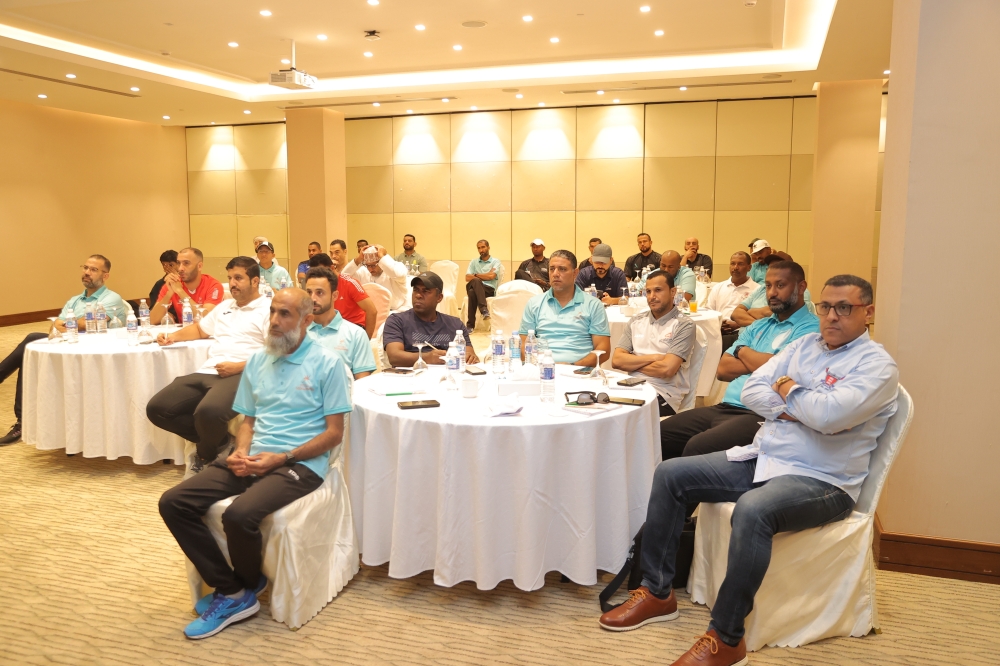





A few months ago, I conducted a workshop on conflict resolution in healthcare for a group of doctors and nurses.
During the workshop, it was interesting to hear that healthcare workers almost share similar types of conflicts, which often go unresolved. These unresolved conflicts can compromise patient care, lead to burnout, and diminish job satisfaction.
Conflict can occur from miscommunication, unclear roles and responsibilities, and variations in knowledge, power, and control. A few years ago, the term ‘Canada Syndrome,’ was popular in some organisation to refer to colleagues who had received postgraduate training in Canada. These individuals often repeated phrases like “When I was in Canada...” when facing challenging clinical situations. While initially meant as a joke, the term highlighted an underlying issue: how repeatedly emphasising overseas training could unintentionally undermine the experiences and skills of colleagues trained locally. Such behaviour often breeds resentment and damages team cohesion, ultimately affecting collaboration and patient outcomes.
Conflict can also raise from personality clashes between team members which can be particularly challenging to resolve. These conflicts tend to escalate when each party insists on being right all the time, creating a standoff that prevents constructive dialogue. Personality clashes may stem from differences in communication styles, work ethics, or even personal values. Without effective conflict resolution mechanisms, these disagreements can create a toxic work environment.
During the workshop, many participants shared personal anecdotes about how minor misunderstandings snowballed into larger issues due to poor communication or a lack of timely intervention. For example, one nurse spoke about how a seemingly trivial disagreement over scheduling appointments became a source of ongoing friction, affecting her ability to collaborate effectively with her colleagues. Such situations underline the importance of addressing conflicts early, before they spiral out of control.
In the workshop, we explored models of conflict resolution that healthcare professionals can adopt. While there are many frameworks available, they share some common elements. The first step is identifying the source of the conflict using active listening and open communication. It’s essential to focus on behaviours rather than individuals, avoiding personal blame to keep discussions respectful and constructive. Both parties should work together to develop potential solutions, agree on implementing them, and monitor their effectiveness over time.
Even with the best intentions, resolving conflicts can be challenging without organisational support. Leadership plays a critical role in fostering a culture of respect and collaboration. Organisations can help by providing mediation services, offering emotional support to staff, and creating opportunities for team members to learn conflict management skills by conducting training courses on effective communication, negotiation, and emotional intelligence.
Another important aspect of conflict resolution is recognising the role of empathy in healthcare settings. By understanding each other’s perspectives and appreciating the pressures that each team member faces, healthcare workers can build stronger relationships and reduce the likelihood of conflict. Sometimes a simple act of acknowledging a colleague’s workload and offering support would helpe significantly diffuse a potentially tense situation.
In my opinion , conflict resolution is not about avoiding disagreements altogether but about managing them in a way that promotes mutual understanding and cooperation. By addressing conflicts constructively and proactively, healthcare teams can ensure better outcomes for both patients and staff.
Oman Observer is now on the WhatsApp channel. Click here