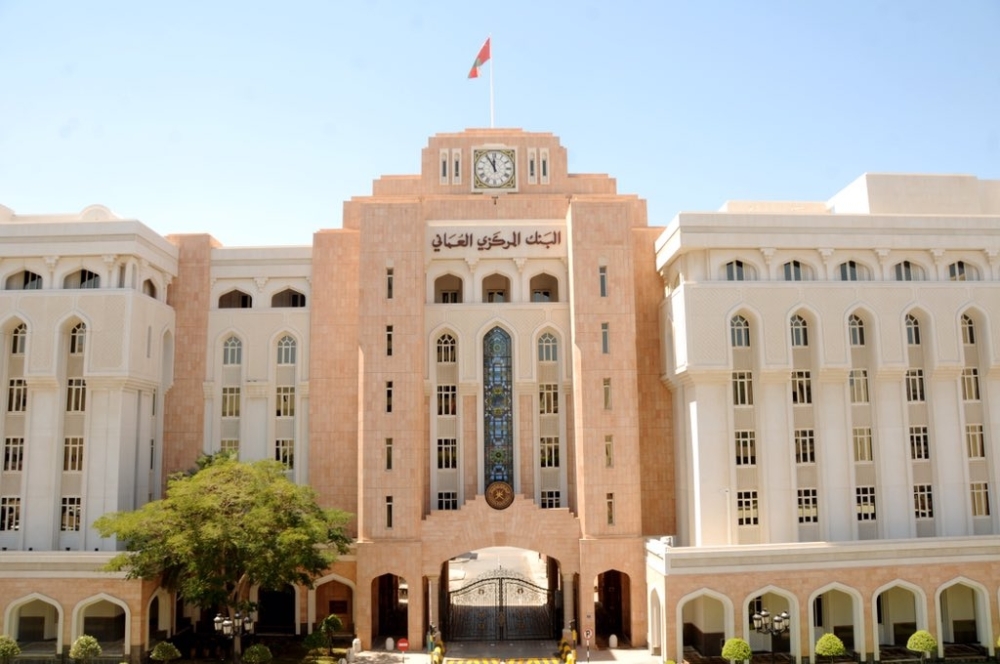





MUSCAT: The Central Bank of Oman in its 12th Financial Stability Report (FSR) for 2024 emphasised the resilience of the Omani financial system amid heightened global geopolitical tensions and persistently elevated interest rates.
Despite these challenges, the FSR indicates that short-term risks to financial stability in Oman remain subdued, which is also echoed by positive rating actions from all three major rating agencies.
Regarding the banking sector, the report highlights that the banking sector maintained robust capital buffers which, “further instils confidence in its resilience to weather any adverse shocks”. It also notes that with the economic recovery, “banks witnessed improvements in their profitability metrics”. Furthermore, the asset quality of the banking sector remained solid and banks held ample liquidity buffers.
The FSR also presents findings from the latest Systemic Risk Survey and Credit Conditions Survey conducted by the Central Bank of Oman. The Systemic Risk Survey revealed sustained confidence among the market participants in the Omani financial system. The Credit Conditions Survey indicated a notable increase in household loan demand.
This trend is anticipated to persist into 2024, driven by economic expansion, heightened consumer confidence and favourable lending rates.
The Composite Financial Stability Indicator (CFSI) of the Sultanate of Oman has revealed positive trends largely driven by favourable factors, particularly higher oil prices, improved debt sustainability and systemic risk indicators. — ONA
Oman Observer is now on the WhatsApp channel. Click here