




GENEVA: The UN High Commissioner for Human Rights Volker Turk on Monday called for an urgent de-escalation in the Middle East over fears that the Gaza war could spread.
"I am deeply worried about the rising risk of a wider conflict in the Middle East and plead with all parties, along with those states with influence, to act urgently to de-escalate what has become a very precarious situation," said Turk in a statement.
Iran on Monday said it had the "legal right to punish" Israel over last week's killing of Palestinian armed group Hamas's political leader Ismail Haniyeh in Tehran.
Israel, which has not commented on the killing but did admit to carrying out a strike on Beirut that left Hezbollah military chief Fuad Shukr dead, has been fighting a war in Gaza since the October 7 attacks.
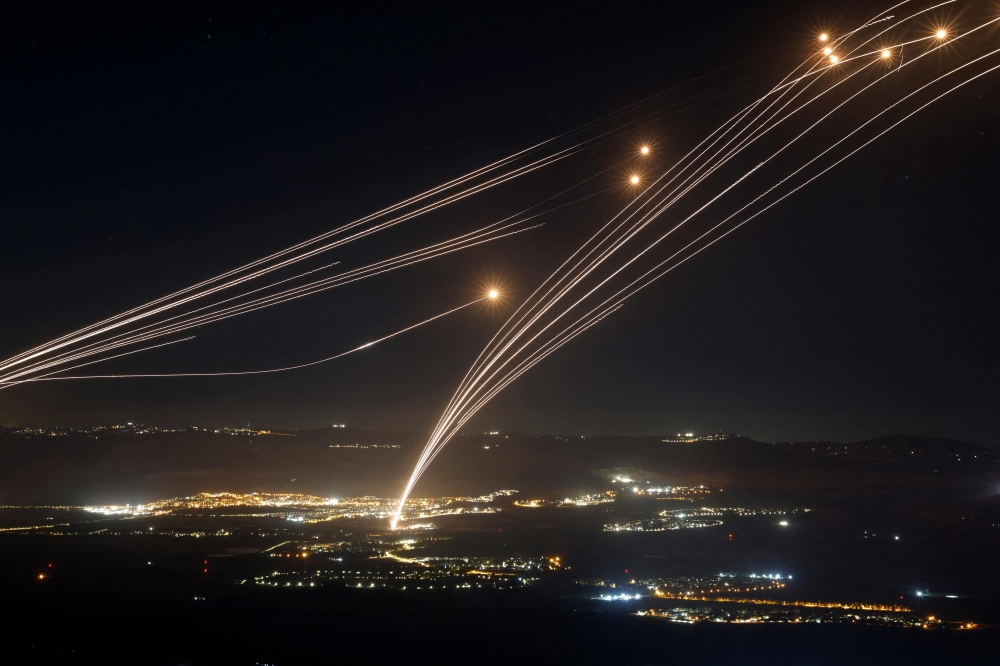
The international community fears Iran, a backer of Hezbollah and Hamas, could join the conflict.
"Already, over the past 10 months, civilians -- mostly women and children -- have endured unbearable pain and suffering as result of the bombs and guns," said Turk.
"Everything, and I mean everything, must be done to avoid this situation spiralling further into an abyss that will only have even more terrible consequences for civilians."
A steadily climbing death toll, reported by the territory's health ministry, nears 40,000 people killed in Gaza since war between Israel and Palestinian groups broke out on October 7.

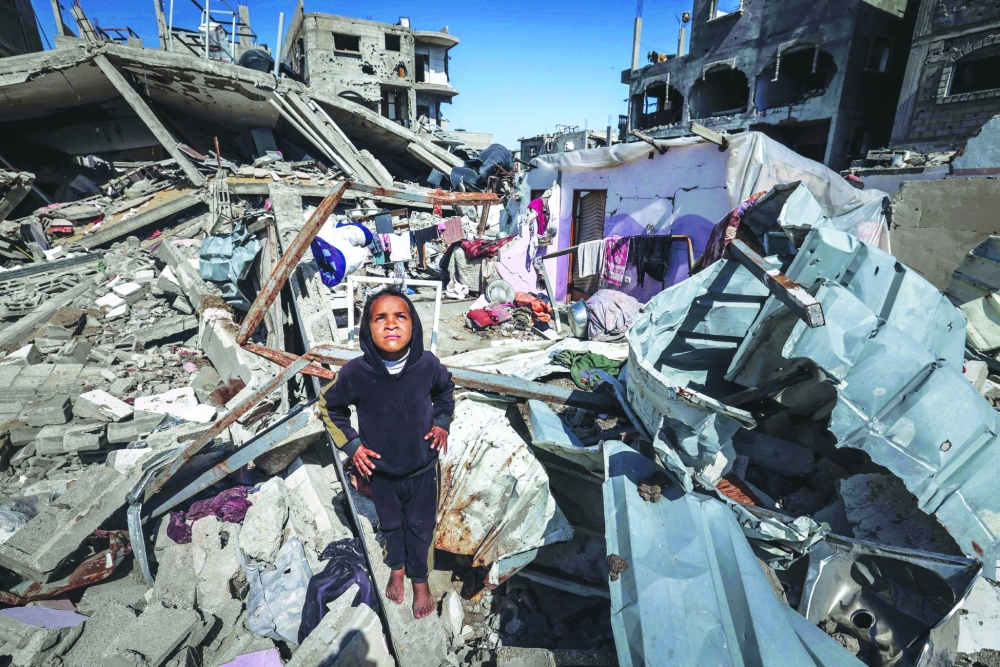
With more than 1.5 percent of Gaza's 2.4 million people killed during the war, many inhabitants of the besieged coastal territory have lost loved ones. The smell of death is everywhere, but under constant bombardment, shelling and battles, Gazans often have little time -- or place that is not in ruins -- to process their grief.
Some bled to death before reaching hospitals, many of which had gone out of service due to the fighting or facing severe shortages amid an Israeli siege imposed early on in the war.
Other victims were crushed under their toppled homes, their bodies eventually retrieved from the rubble of bombed-out neighbourhoods. Some are still missing, feared buried under the ruins.
The incessant violence has rendered many cemeteries inaccessible, often forcing Gazans to dig makeshift graves with whatever tools they can find.
With nearly all Gazans displaced at least once by the war, and often far from home, they have resorted to burying loved ones on any available patch of land, in the street, or sometimes on football fields. Many do not know when they may be able to return to their burial spots or even find them again. — AFP
Oman Observer is now on the WhatsApp channel. Click here