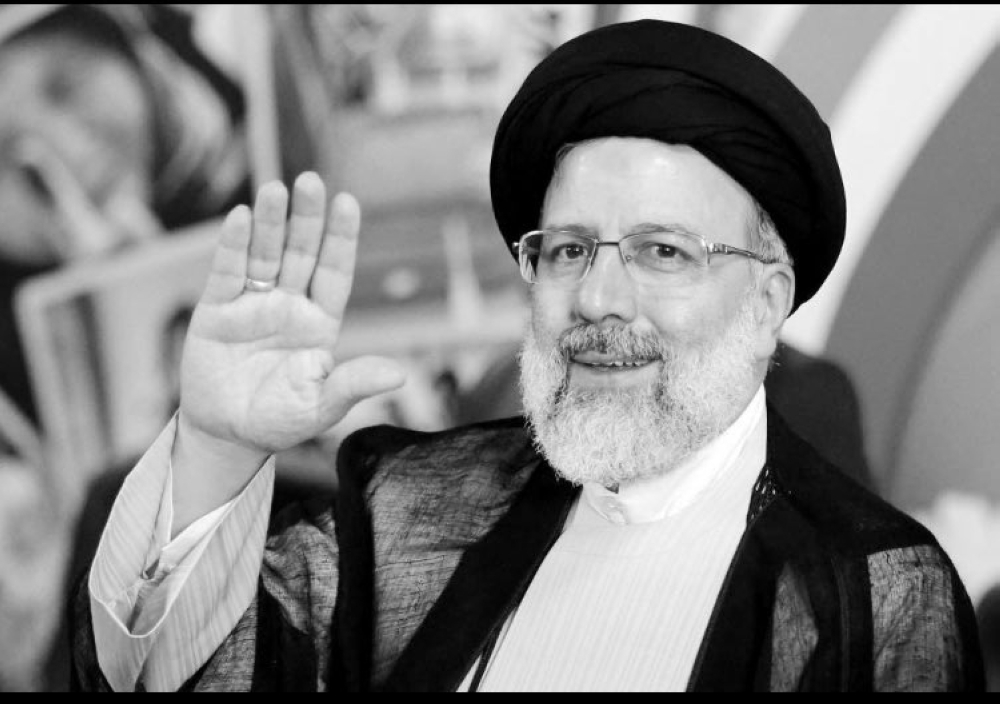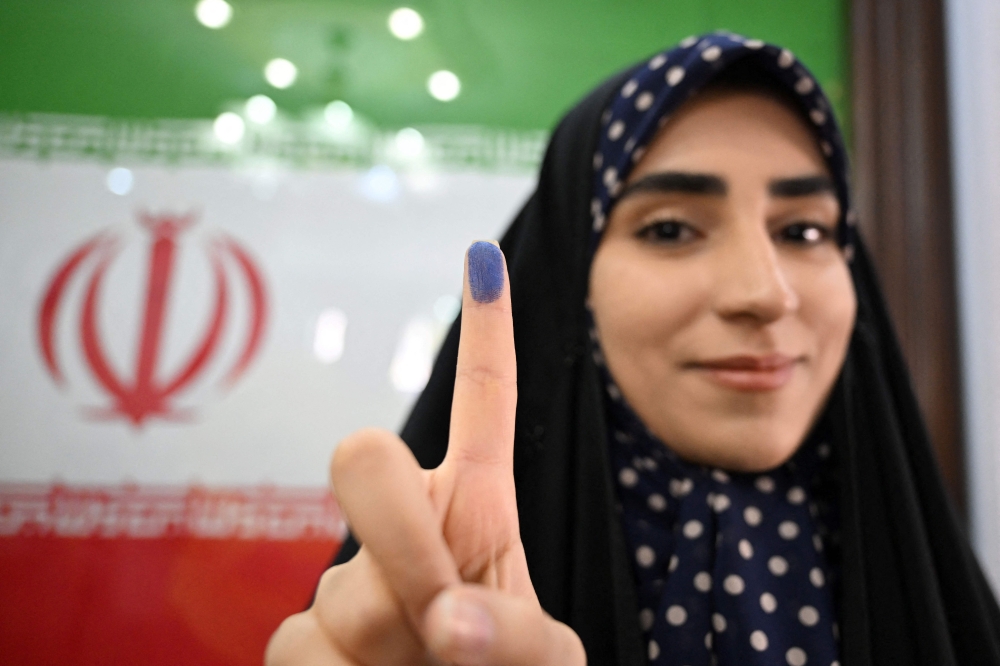





DUBAI: Iranians voted on Friday for a new president following the death of Ebrahim Raisi in a helicopter crash, choosing from a tightly controlled group of four candidates loyal to the supreme leader. While the election outcome could influence the succession to Ayatollah Ali Khamenei, Iran's 85-year-old supreme leader, in power since 1989.
Khamenei called for a high turnout to offset a legitimacy crisis fuelled by public discontent over economic hardship and curbs on political and social freedom. "The durability, strength, dignity and reputation of the Islamic Republic depend on people's presence," Khamenei told state television after casting his vote. "High turnout is a definite necessity."
The next president is not expected to usher in any major policy shift on Iran's nuclear programme or support for groups across the Middle East. However, the president runs the government day-to-day and can influence the tone of Iran's foreign and domestic policy.
A hardline watchdog body made up of six clerics and six jurists aligned with Khamenei vets candidates, and approved only six from an initial pool of 80. Two candidates subsequently dropped out. Three candidates are hardliners and one is a low-profile comparative moderate, backed by the reformist faction that has largely been sidelined in Iran in recent years.
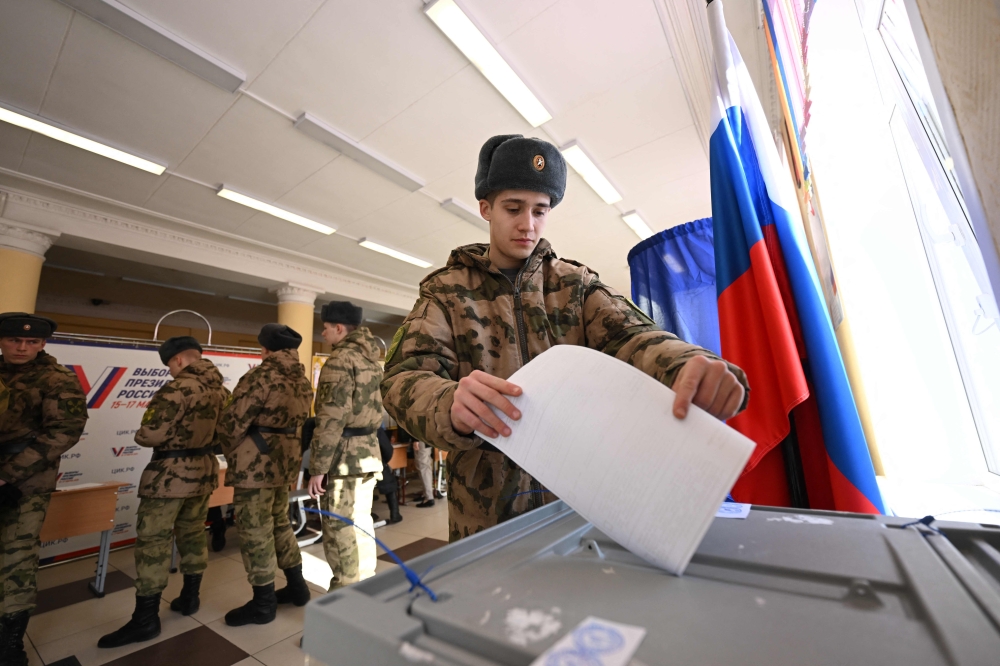
State television showed queues inside polling stations in several cities. Polls were due to close at 6 pm, but are usually extended as late as midnight. Authorities said the result would be announced on Saturday. If no candidate wins at least 50 per cent plus one vote from all ballots cast, including blank votes, a run-off between the top two candidates is held on the first Friday after the result is declared.
Prominent among the remaining hardliners are Mohammad Baqer Qalibaf, parliament speaker and former commander of the powerful Revolutionary Guards, and Saeed Jalili, a former nuclear negotiator who served for four years in Khamenei's office.
Oman Observer is now on the WhatsApp channel. Click here