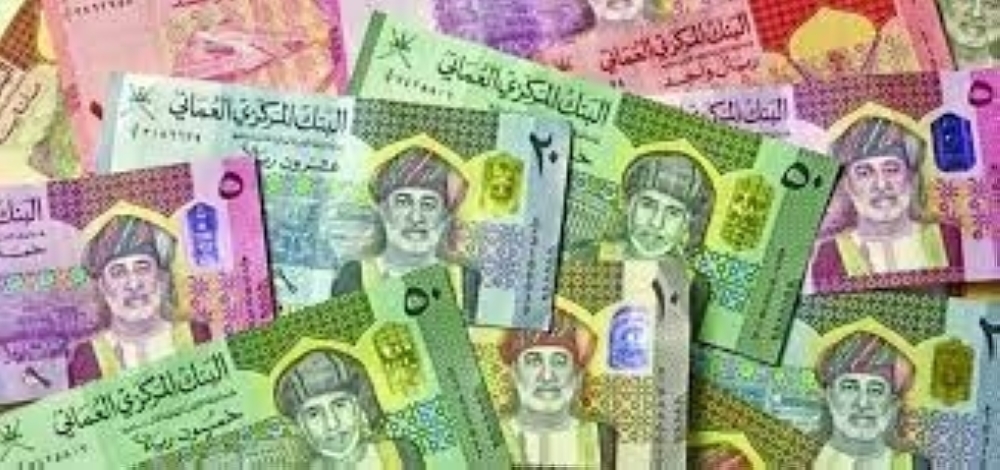





Oman’s money supply, as measured by M2, reached a historic peak of RO 24.24 billion at the end of March 2024, according to recent data from the Central Bank of Oman as reported by Trading Economics.
This milestone comes as the nation’s GDP stood at a healthy RO 38.2 billion at the close of 2023, signifying a sound economic foundation.
The M2 money supply, which encompasses physical currency and easily accessible deposits, has been steadily growing in recent years, reflecting increased economic activity and investment in the Sultanate of Oman.
The current M2/GDP ratio of approximately 0.63 is considered to be within a healthy range, indicating that the money supply is not excessively large relative to the size of the economy.
The expansion of the money supply can have several positive implications for the Omani economy.
It could signify increased spending and investment, which are crucial drivers of economic growth.
Additionally, the increased availability of credit can stimulate businesses and contribute to job creation.
While the growth in the money supply has raised some concerns about potential inflationary pressures, recent data from the National Centre for Statistics and Information indicate that inflation remains under control, with a rate of 0.39 per cent in April 2024.
This suggests that the increased liquidity has not yet translated into significant price increases.
Given that the Omani Rial (RO) is pegged to the US Dollar (USD), the Central Bank of Oman (CBO) does not have the independent monetary policy flexibility to adjust interest rates as a tool to control inflation directly.
However, several alternative policy measures are available to manage the money supply and address any future inflationary risks:
1. Sterilisation operations: The CBO can engage in open market operations to absorb excess liquidity from the banking system.
2. Reserve requirements: The CBO could adjust the reserve requirement for banks to influence lending activity.
3. Exchange rate adjustment: While a significant change is unlikely, a minor adjustment to the peg could be considered to manage trade balances.
4. Fiscal policy measures: The government can implement fiscal policies such as adjusting spending or taxes to complement the CBO’s efforts.
5. Supply-side policies: Efforts to enhance productivity and increase the supply of goods and services can help to alleviate any future inflationary pressures.
Oman’s economic outlook remains positive, with a healthy GDP, a manageable M2/GDP ratio and low inflation.
While the current economic situation does not necessitate immediate intervention, the CBO and the government should remain vigilant and prepared to implement appropriate measures if inflationary pressures emerge.
By proactively monitoring the economic situation and maintaining a range of policy tools at their disposal, Oman can ensure continued economic stability and sustainable growth while navigating the challenges posed by a growing money supply.
Oman Observer is now on the WhatsApp channel. Click here