




Oman’s Vision 2040 prioritises foreign direct investment (FDI) as a key driver for economic diversification.
The strategy appears successful, with a current FDI stock of $49,560 million (as of 2022).
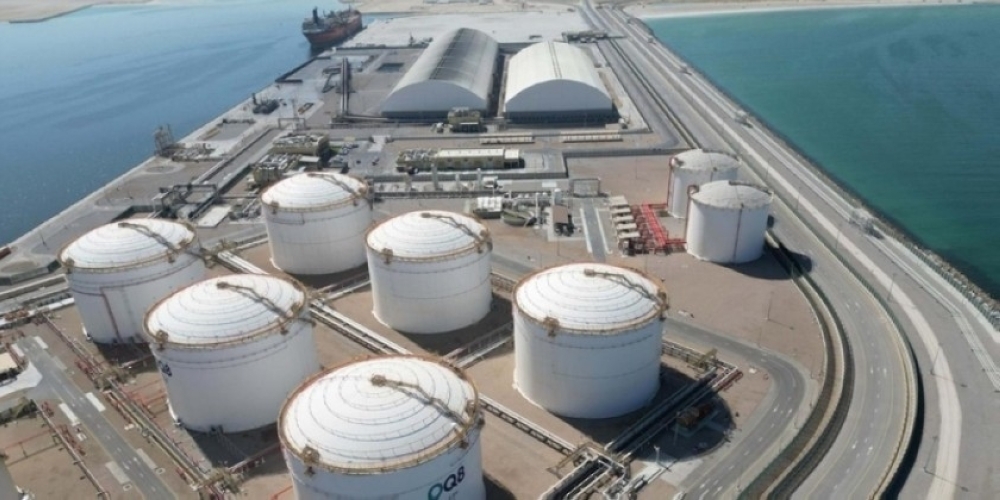
However, concerns linger about its long-term sustainability, particularly with a heavy reliance on the oil & gas sector (FDI inflows of $3.7 billion in 2022).
Current strengths include relaxed regulations through the Foreign Capital Investment Law (FCIL) and attractive incentives like tax breaks in Special Economic Zones. However, Oman needs to broaden its focus beyond just capital to ensure sustainable FDI growth.
Beyond traditional FDITraditionally, FDI is viewed solely in terms of capital inflow. However, foreign investment also brings valuable intangible assets like:
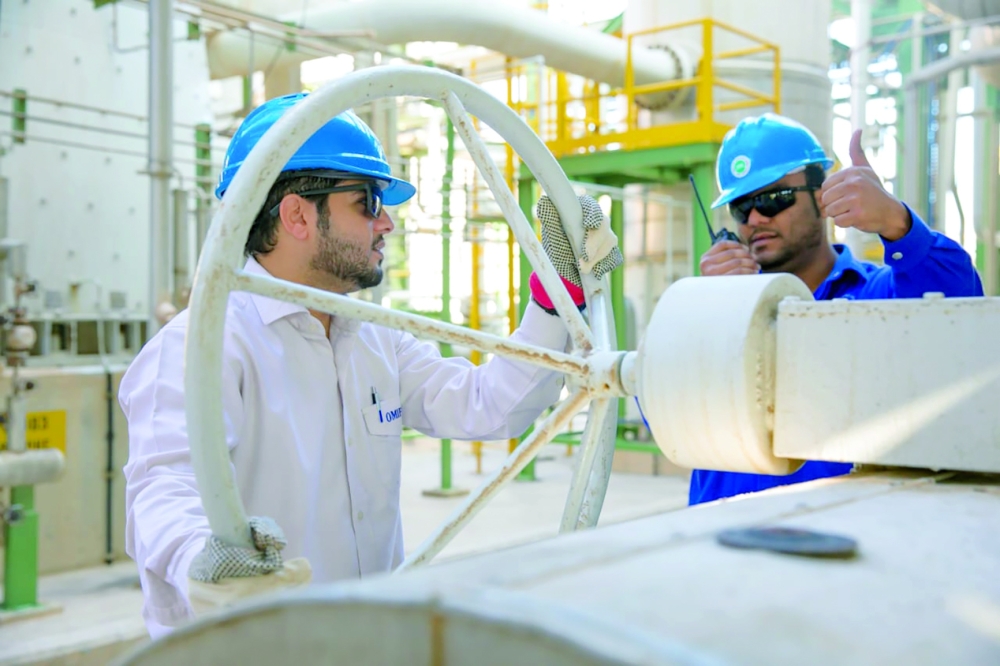
Management techniques: Foreign companies often introduce advanced management practices, improving efficiency, productivity, and overall business processes within Oman. This knowledge transfer is further bolstered by the establishment of the Royal Academy of Management (RAM).
RAM serves as a dedicated platform for equipping Omani professionals with cutting-edge management skills, fostering a knowledge exchange environment, and ultimately accelerating the adoption of best practices across domestic businesses.
This combined approach strengthens Oman’s domestic capabilities and creates a more competitive business landscape. Technology transfer: Foreign Direct Investment (FDI) can act as a powerful conduit for advanced technologies, allowing Oman to upgrade its production capabilities and access new markets.
This technology adoption, however, goes beyond simply acquiring equipment.
Central to Oman’s vision for economic growth is its commitment to digital transformation.
By attracting foreign companies with advanced technologies, Oman can leverage this FDI to not only acquire the technology itself, but also gain the knowledge and expertise needed to integrate these technologies effectively.
This fosters a knowledge transfer that fuels Oman’s digital transformation journey, ultimately enhancing the nation’s long-term economic potential and competitiveness in the global marketplace.The sustainability of knowledge transferWhile economists might struggle to measure the value of knowledge transfer directly, its impact on an economy’s production possibilities is undeniable. Companies that acquire new management techniques and technologies become more efficient and innovative, leading to the following:
Increased productivity: Improved processes and technology can significantly enhance a company’s output, boosting economic growth.
Enhanced product quality: Access to advanced technologies allows Omani companies to produce higher quality goods and services, making them more competitive in the global marketplace.
Diversification and innovation: Foreign knowledge can inspire local innovation and diversification, fostering the development of new industries and products ultimately reducing reliance on a single sector.
Oman’s strategy and knowledge transferOman can actively promote knowledge transfer by: Joint ventures: Encouraging partnerships between Omani and foreign companies fosters knowledge exchange and technology adoption within the domestic market.
Technology parks: Establishing dedicated zones with infrastructure tailored for technology-driven industries can attract foreign companies willing to share expertise and collaborate with local partners.
Knowledge worker incentives: Offering competitive packages and streamlining the attraction process of skilled foreign workers who bring valuable expertise and best practices.
Digital transformation as a catalyst
Digital transformation plays a crucial role in facilitating knowledge transfer by: Online collaboration tools: Platforms enabling seamless communication and collaboration between Omani and foreign companies can accelerate the knowledge exchange process.
Data sharing: Secure data sharing protocols can facilitate the transfer of technical information and best practices, fostering innovation within Oman.
By implementing a multi-pronged approach that combines relaxed regulations, targeted incentives, workforce development, a commitment to digital transformation, and an emphasis on knowledge transfer, Oman can create a future-proof environment that attracts long-term, sustainable FDI partnerships beyond just capital inflow.
This focus on attracting investment that aligns with Oman’s long-term goals, such as environmental responsibility and social development, will foster a more diversified, innovative, and resilient economy built for the future.
By attracting foreign companies with advanced technologies, Oman can leverage this FDI to not only acquire the technology itself, but also gain the knowledge and expertise needed to integrate these technologies effectively.
Oman Observer is now on the WhatsApp channel. Click here