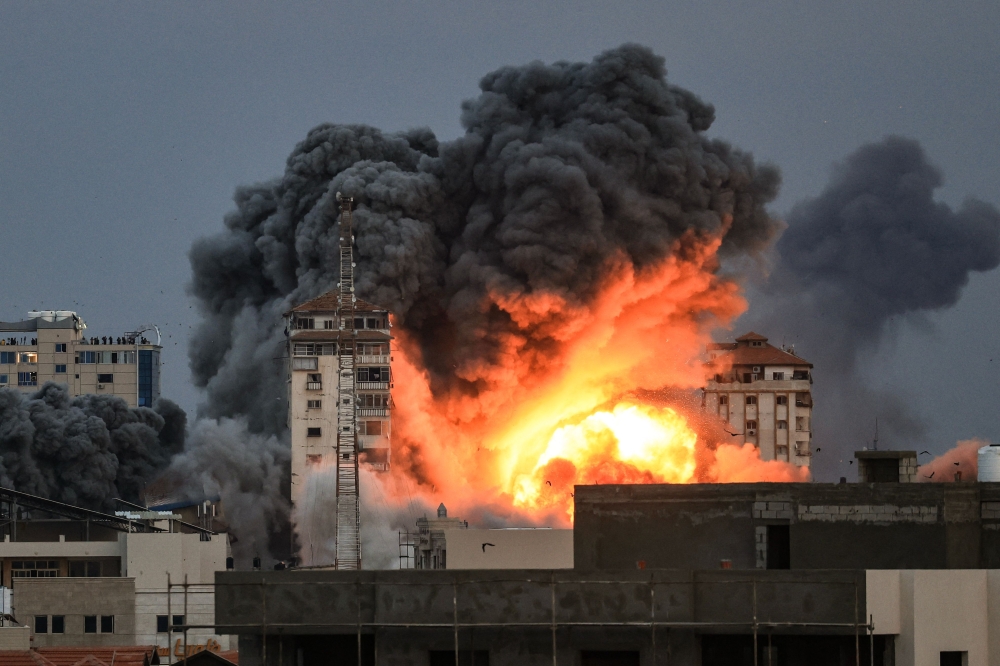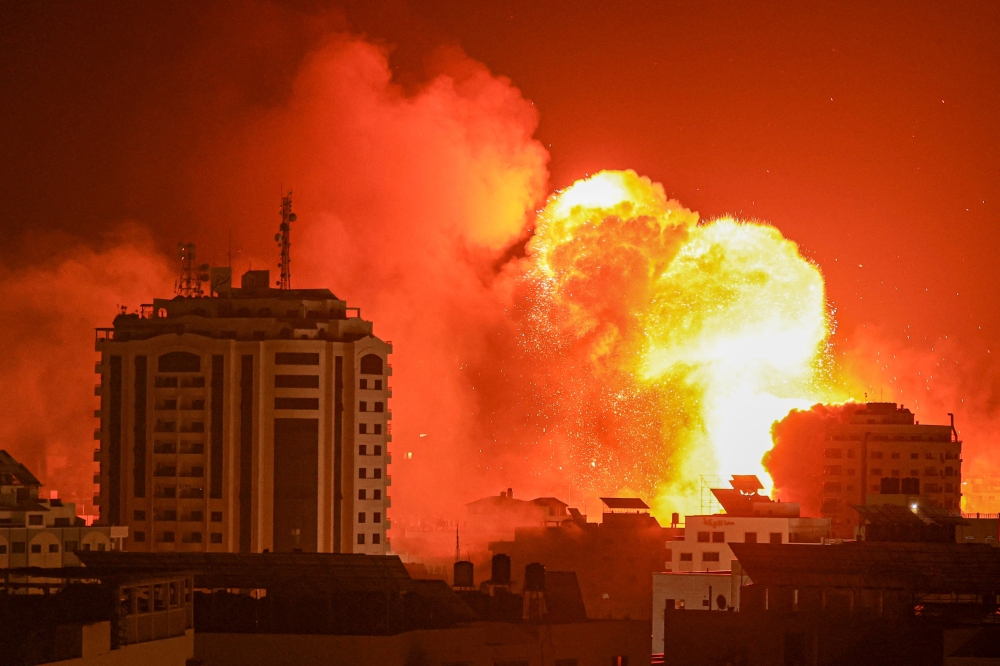





GAZA: Israeli tanks and warplanes pummelled southern Gaza on Tuesday, and the UN said aid distribution to Gazans facing growing hunger had largely halted because of the intensity of fighting in the war, now in its third month.
In Khan Younis, southern Gaza's main city which Israel troops began storming last week, residents said tank shelling was now focused on the city centre. One said tanks were operating on Tuesday morning in the streets.
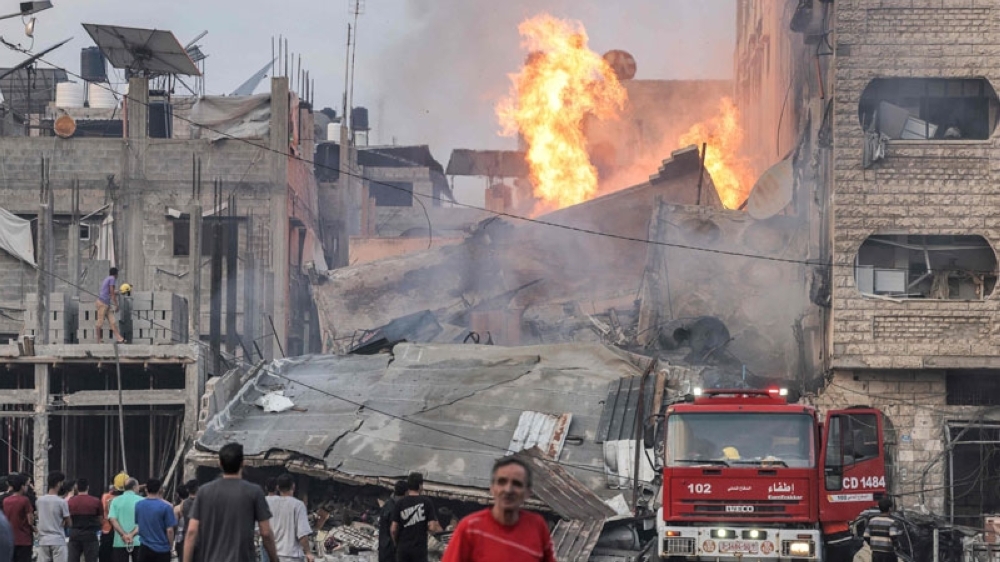
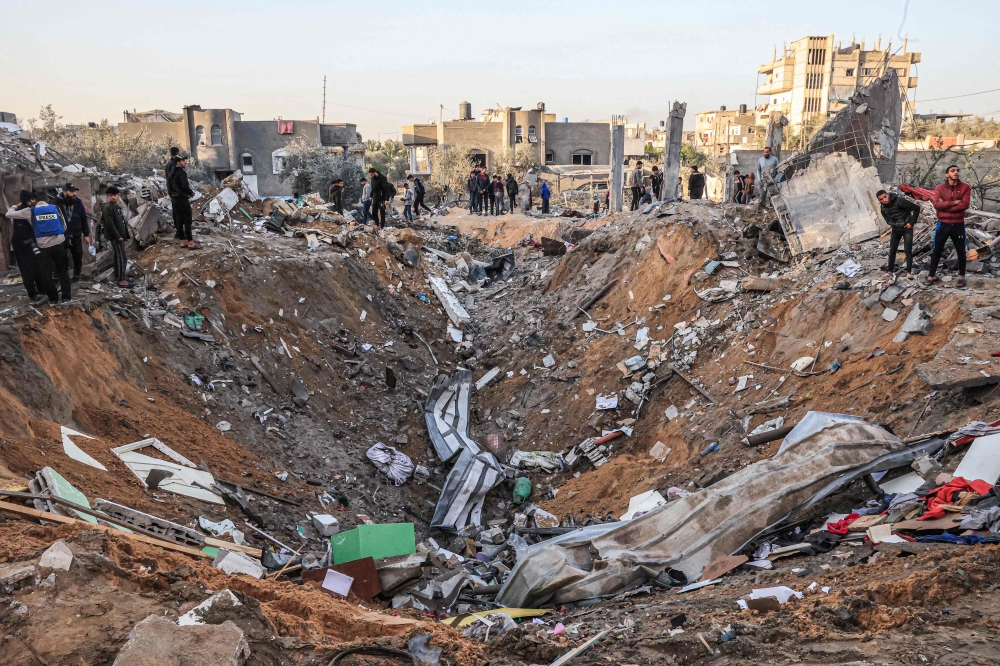
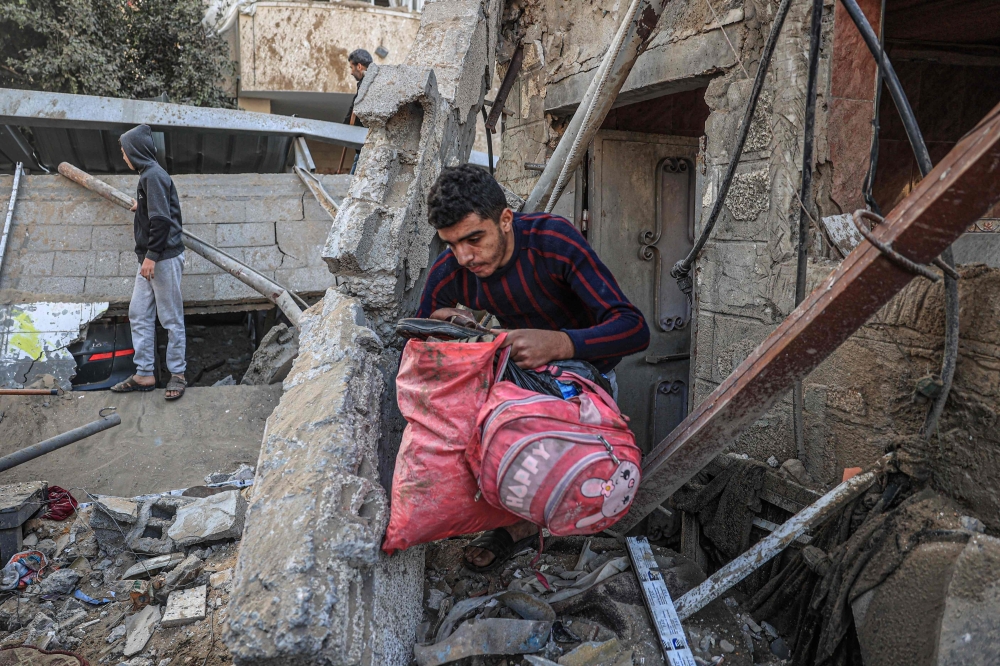
An elderly Palestinian, Tawfik Abu Breika, said his residential block in Gaza’s Khan Younis was hit without warning by a fresh Israeli air strike on Tuesday that had brought down several buildings and caused casualties.
"The world’s conscience is dead, no humanity or any kind of morals," Breika said as neighbours sifted through rubble. "This is the third month that we are facing death and destruction... This is ethnic cleansing, complete destruction of the Gaza Strip to displace the whole population."
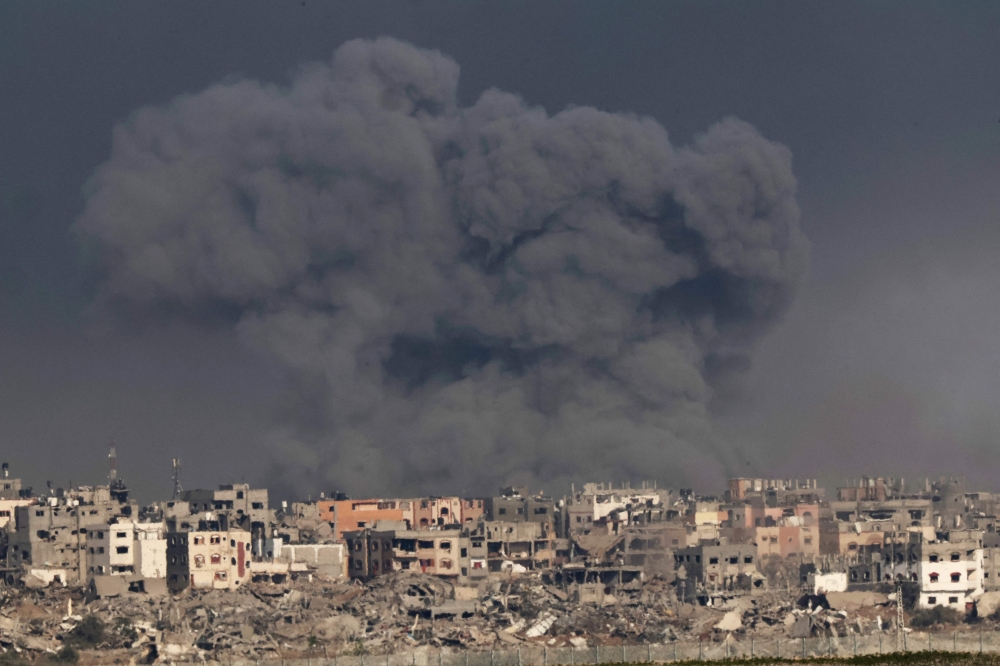
Further south in Rafah, which borders Egypt, health officials said 22 people including children were killed in an Israeli air strike on houses overnight. Civil emergency workers were searching for more victims under the rubble.
Residents said the shelling of Rafah, where the Israeli army this month ordered people to head for their safety, was some of the heaviest in days.
"At night we can’t sleep because of the bombing and in the morning we tour the streets looking for food for the children, there is no food," said Abu Khalil, 40, a father of six.
"I couldn’t find bread and the prices of rice, salt or beans have doubled several times over. This is starvation," he said. "Israel kills us twice, once by bombs and once by hunger."
Israel's military said that over the past day it hit several launch posts that were used to fire rockets at its territory, raided a Hamas compound where it found some 250 rockets among other weapons and struck a weapon production factory.
An Israeli ground assault that had been confined to the north has expanded to the southern half of the Gaza Strip since a week-long truce collapsed at the start of December.
Residents and aid agencies say that means no place is now safe in a territory where bombing has already rendered the vast majority of people homeless and nearly all areas are entirely cut off from food, medicine and fuel.
Displaced people sheltering in Rafah have erected tents of wood and nylon in open areas. Some are sleeping in streets. — Reuters
Oman Observer is now on the WhatsApp channel. Click here