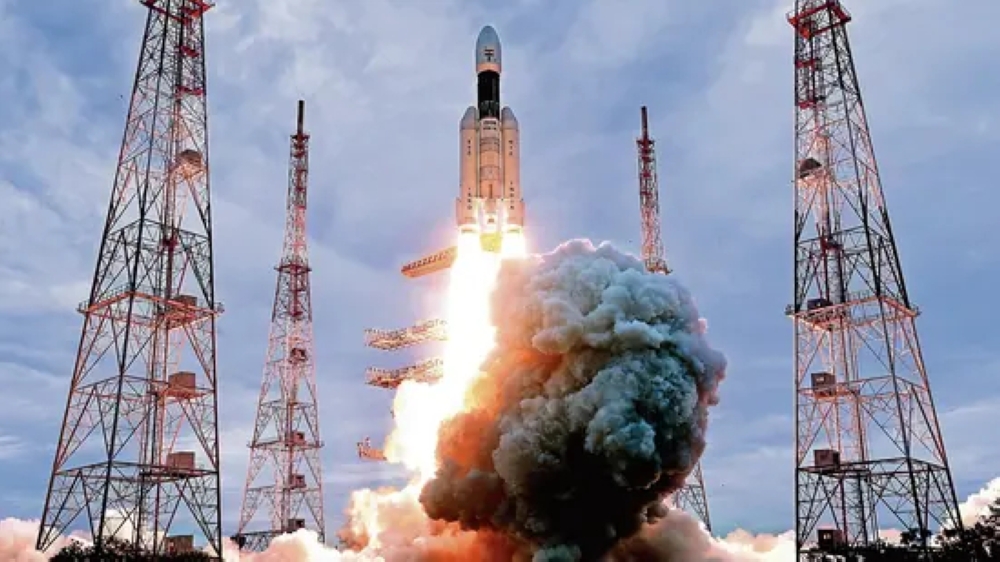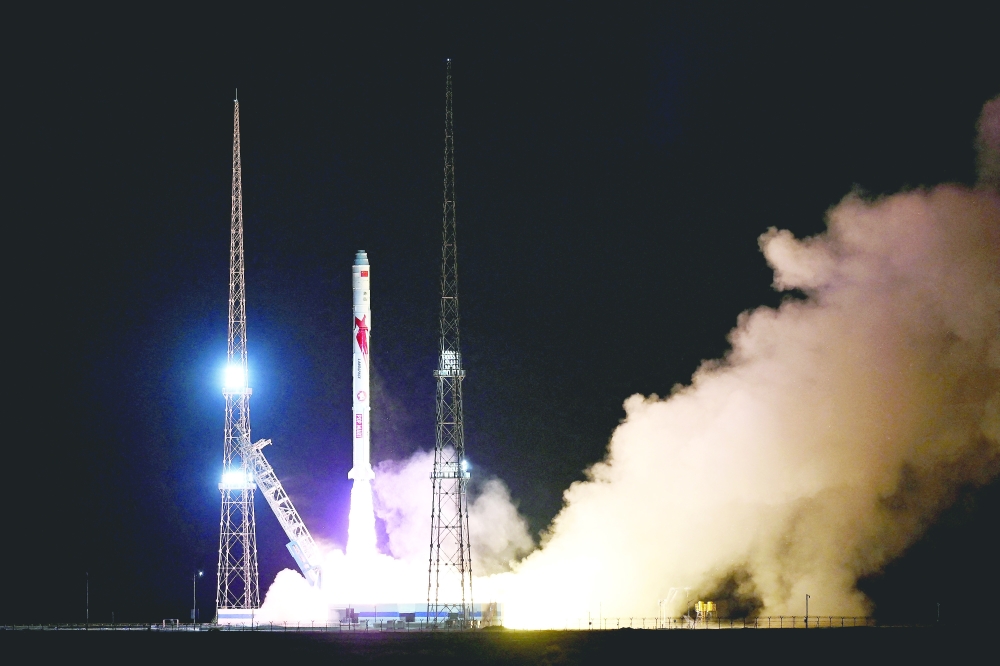





BEIJING: LandSpace Technology, a Chinese private rocket startup, achieved a significant milestone on Saturday by successfully launching three satellites into orbit using its methane and liquid oxygen-powered rocket. This accomplishment signals a crucial step in LandSpace's mission to determine the readiness of its vehicle for commercial liftoffs.
The success of this launch has the potential to instill confidence among investors in methane as a viable rocket fuel, offering cost reduction benefits and supporting the development of reusable rockets in a more environmentally friendly and efficient manner.
Amidst increasing demand in China's expanding commercial space industry, various private Chinese rocket startups, including LandSpace, are conducting test or commercial launches. These efforts are aimed at preparing their products to compete in the race to establish a satellite constellation, providing an alternative to projects like Elon Musk's Starlink.
The Zhuque-2 Y-3 rocket lifted off at 7:39 a.m. (1139 GMT on Friday) from the Jiuquan Satellite Launch Center in China's Inner Mongolia region. This launch marked the third test rocket for Zhuque-2 and the first to successfully deploy satellites. In July, LandSpace made history by launching a methane-liquid oxygen rocket without actual satellites, surpassing U.S. rivals such as SpaceX and Blue Origin.
The successful launches demonstrated the reliability of Zhuque-2 for commercial applications, according to a statement from LandSpace. The three satellites reached a sun-synchronous orbit of 460 km (285 miles), although specific details about the satellites' types and overall weight were not disclosed.
Zhuque-2 is designed to handle payloads totaling 1.5 metric tons into a 500-km (300-mile) orbit, with plans to increase this capacity to 4 tons in upgraded versions, as stated by the Beijing-based company.
Among the satellites on board were two 50-kilogram test satellites developed by Chinese startup Spacety, incorporating technologies from a company named Hongqing. LandSpace holds a stake in Hongqing, which also contributed one of its test satellites for the launch.
LandSpace, an eight-year-old startup, revealed that its first launch in December of the previous year had failed, without specifying whether the test rocket, Zhuque-2 Y-1, carried any satellite payloads.
Looking ahead, LandSpace aims to offer approximately three launches in 2024 and plans to double that number in 2025. Other Chinese startups, such as OrienSpace and Deep Blue Aerospace, are also progressing with their respective rocket development and testing schedules.
Galactic Energy, having overcome a failure in September, successfully launched its solid-propellant rocket Ceres-1 with two satellites into orbit earlier this week. __Reuters
Oman Observer is now on the WhatsApp channel. Click here