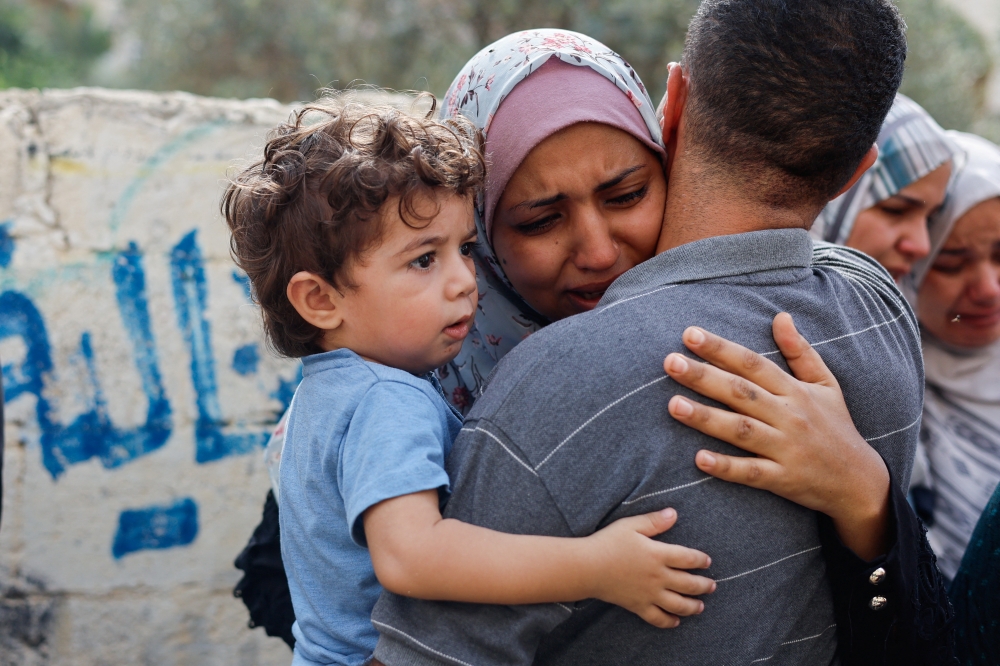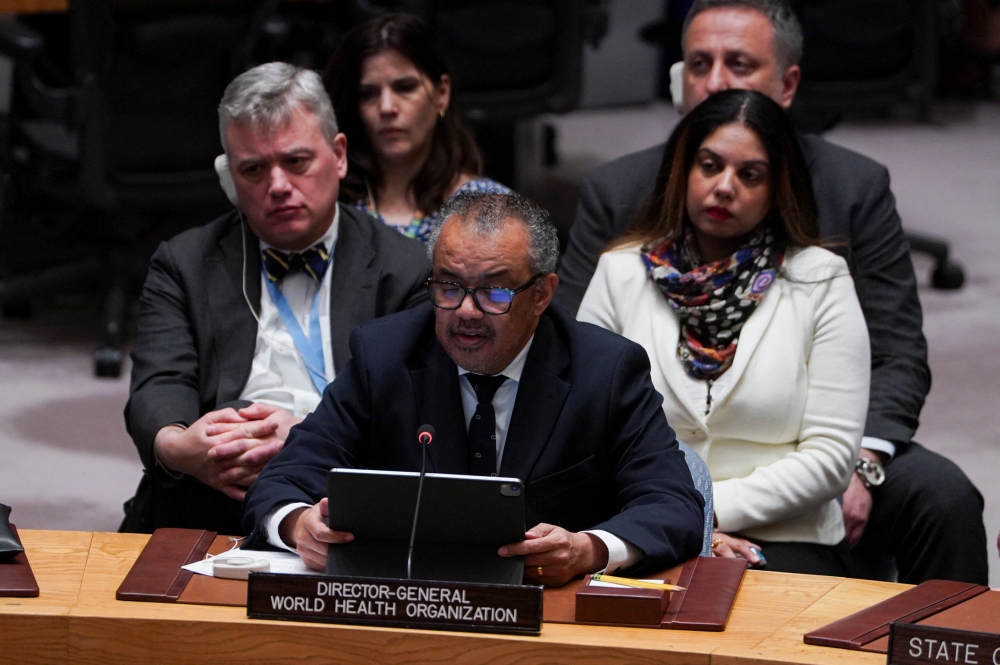
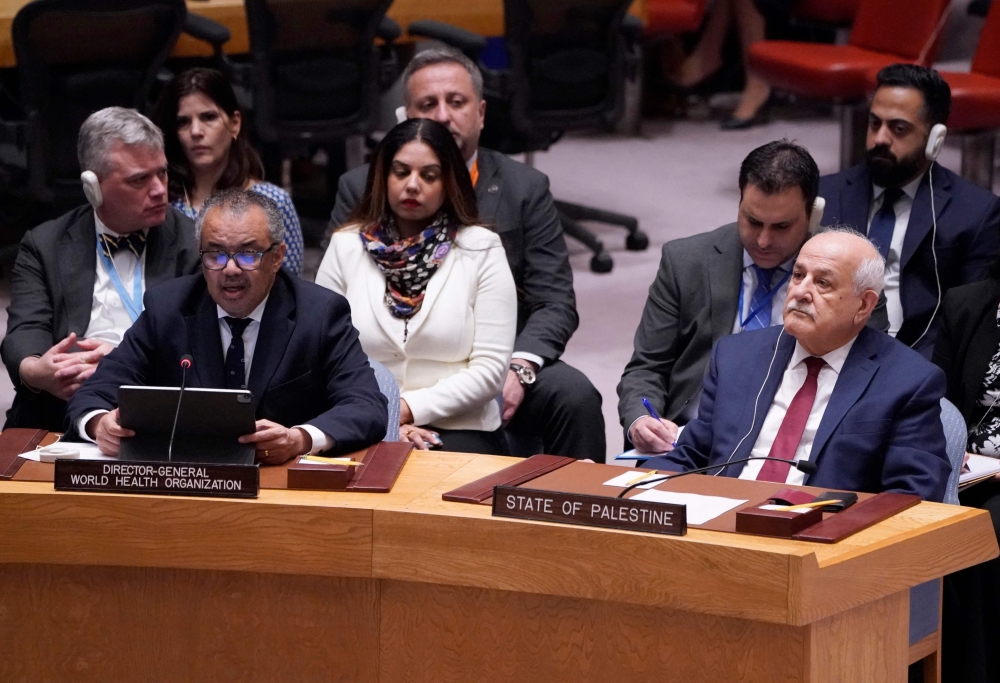
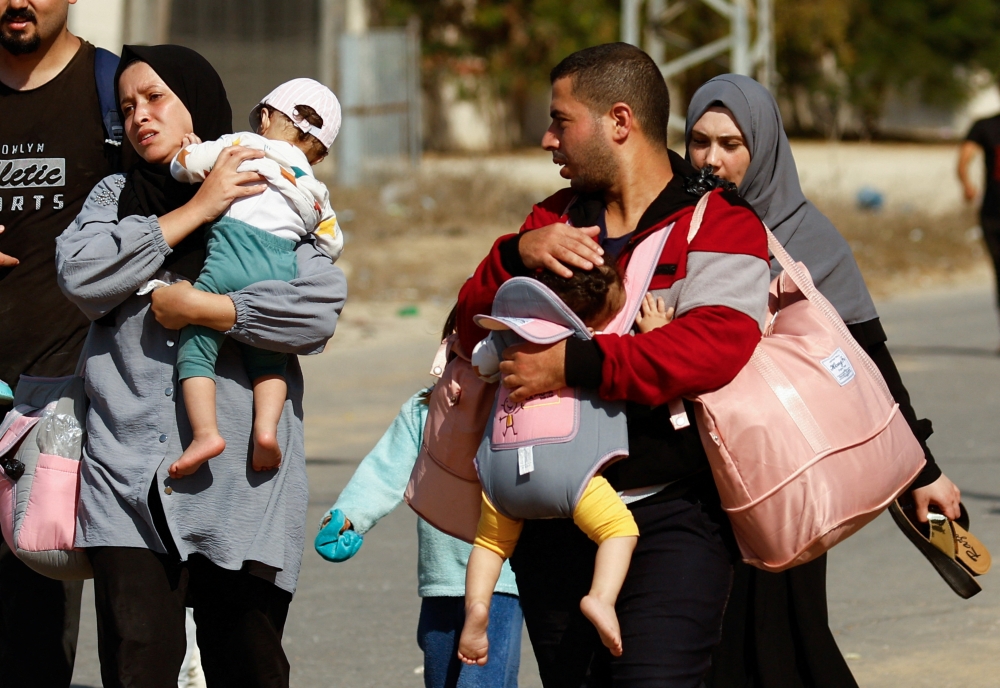
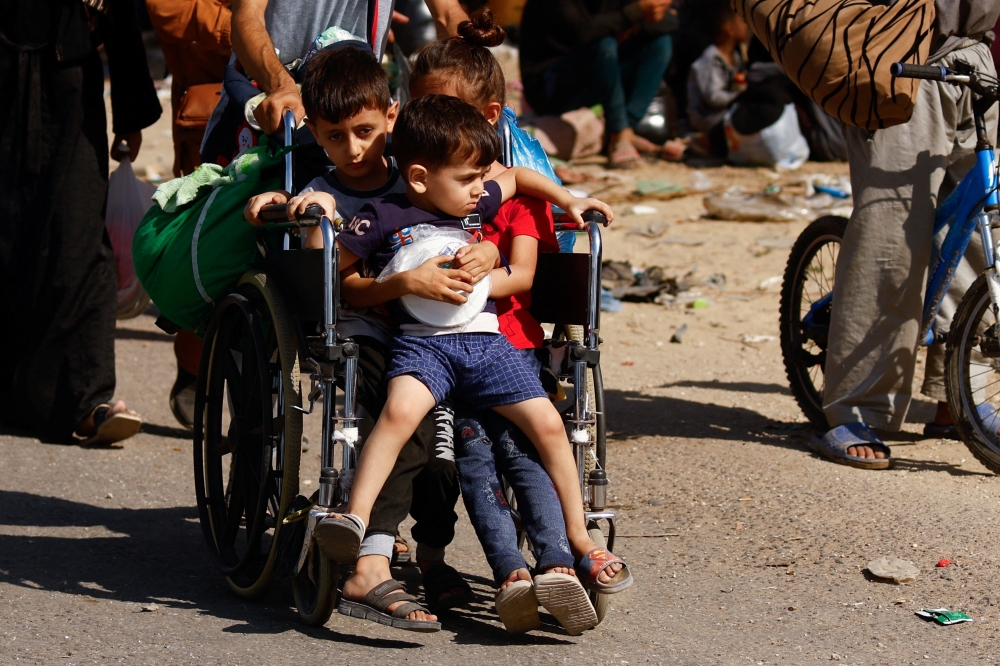





A child is killed on average every 10 minutes in the Gaza Strip, World Health Organization Director-General Tedros Adhanom Ghebreyesus told the United Nations Security Council on Friday, warning:
"Nowhere and no one is safe."
He said that half of Gaza's 36 hospitals and two-thirds of its primary healthcare centers were not functioning and those that were operating were way beyond their capacities, describing the healthcare system as being "on its knees."
"Hospital corridors crammed with the injured, the sick, the dying. Morgues overflowing. Surgery without anesthesia.
Tens of thousands of displaced people sheltering at hospitals," Tedros told the 15-member council.
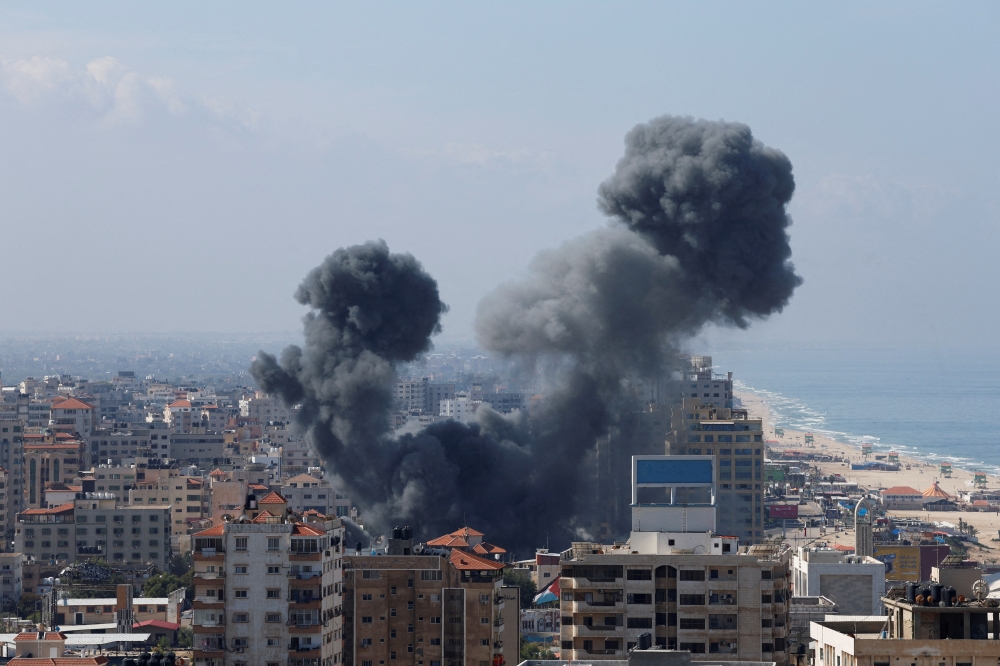
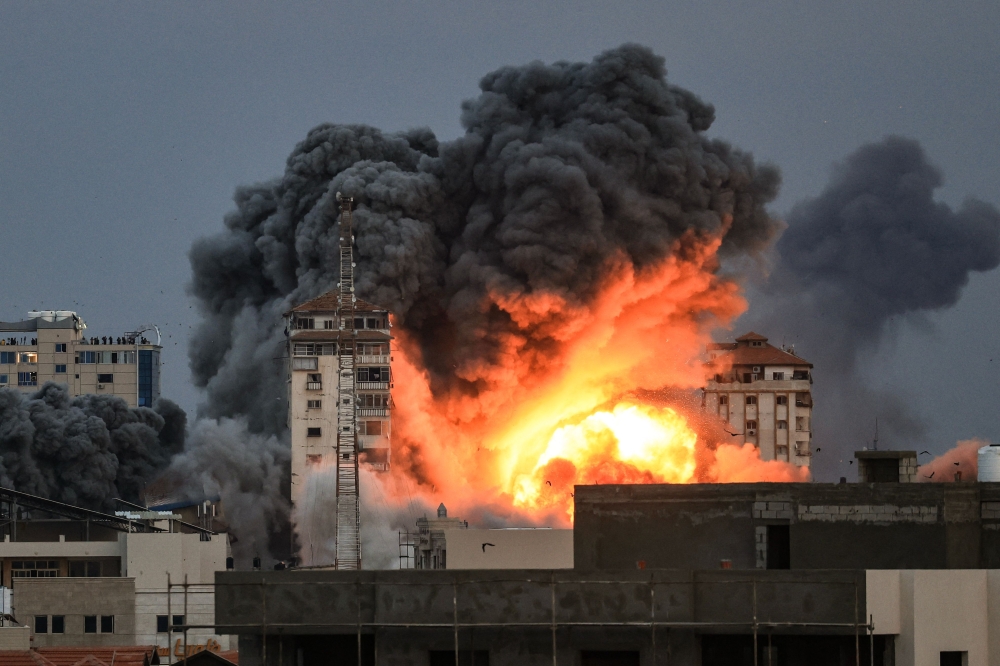
Israel has struck Gaza - an enclave of 2.3 million people - from the air, imposed a siege, and launched a ground invasion.
"On average, a child is killed every 10 minutes in Gaza," Tedros said.
Oman Observer is now on the WhatsApp channels. Click here
Ghebreyesus speech highlights
The situation on the ground is impossible to describe.
Hospital corridors crammed with the injured, the sick, the dying;
Morgues overflowing;
Surgery without anesthesia;
Tens of thousands of displaced people sheltering at hospitals;
Families crammed into overcrowded schools, desperate for food and water.
More than 10 800 people have now been killed in Gaza, almost 70% of them women and children.
On average, a child is killed every 10 minutes in Gaza.
1.5 million people have been displaced, and are looking for shelter anywhere they can find it. But nowhere and no one is safe.
As more and more people move to smaller and smaller spaces, overcrowding is increasing the risks of outbreaks of diarrheal respiratory disease and skin infections.
WHO is on the ground in Gaza, alongside our partners, to support health workers, who are physically and mentally exhausted and are doing their best in unimaginable conditions.
In addition to caring for the 27,000 people who are wounded, many of them with life-threatening injuries, they are trying to manage the regular health needs of more than 2 million people.
More than 180 women give birth in Gaza single every day.
There are 9000 patients on cancer therapy.
And there are 350,000 patients with diabetes, heart disease, and hypertension.
I visited Al-Shifa Hospital in Gaza five years ago, in 2018. I toured a dialysis ward and a neonatal intensive care unit and spoke with health workers and patients.
Even then, in 2018 in Gaza, conditions were extremely difficult for health workers.
Now their work is impossible, and they are directly in the firing line.
Since October 7, WHO has verified more than 250 attacks on health care in Gaza and the West Bank, in addition to 25 attacks on health care in Israel – hospitals, clinics, patients, ambulances.
Last week, WHO documented 5 attacks on 5 hospitals in one day.
In the past 48 hours alone, four hospitals have been put out of action, representing some 430 beds.
More than 100 of our UN colleagues have been killed, and counting.
And as we speak, there are reports of firing outside the Al-Shifa and Rantisi hospitals.
Half of the Gaza Strip’s 36 hospitals and two-thirds of its primary healthcare centers are not functioning at all. Those that are functioning are operating way beyond their capacities. The health system is on its knees, and yet somehow is continuing to deliver some lifesaving care.
The best way to support those health workers and the people they serve is by giving them the tools they need to deliver that care – medicines, medical equipment, and fuel for hospital generators.
Field hospitals and emergency medical teams can complement and support existing hospitals and health workers in Gaza, but they cannot replace them.
Supporting Gaza’s health workers is at the heart of WHO’s operational response plan.
WHO was part of the first convoy of aid to enter Gaza through the Rafah crossing on the 21st of October, and since then we have delivered 63 metric tonnes of specialist medical equipment and supplies that health workers need to save lives, including to hospitals north of Wadi Gaza.
Oman Observer is now on the WhatsApp channel. Click here